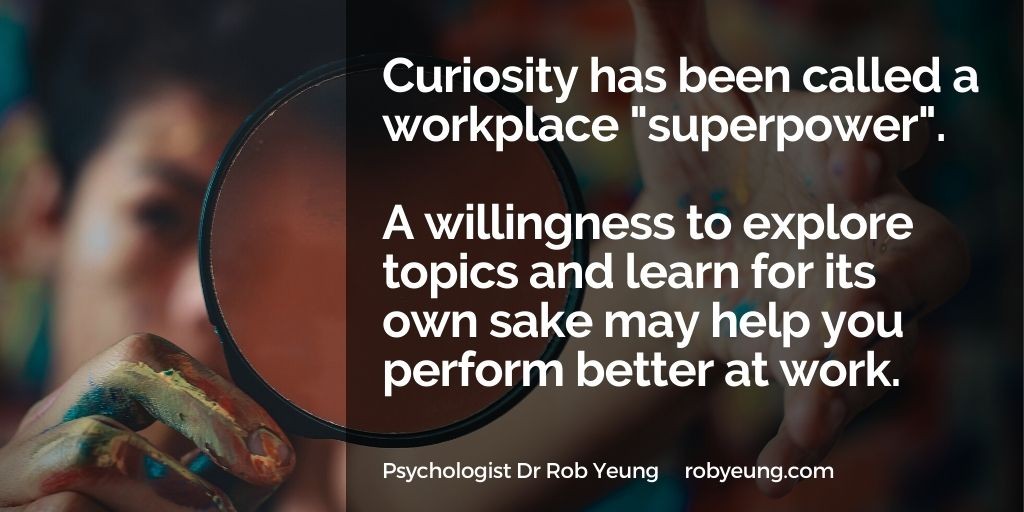
Innovation is often portrayed as a lightning strike—an extraordinary moment of genius that changes everything. But in reality, most innovation doesn’t begin with brilliance. It begins with curiosity. It starts when someone asks a question, wonders why something works the way it does, or imagines how it might be better. Curiosity is the quiet engine behind the breakthroughs we admire. It’s not flashy or dramatic, but it’s persistent. It nudges people to explore, to tinker, to challenge assumptions. And over time, that exploration leads to ideas that reshape industries, redefine experiences, and solve problems in ways no one expected.
Curiosity is powerful because it opens doors that certainty keeps closed. In many organizations, there’s a tendency to rely on what’s proven, what’s efficient, and what’s predictable. That mindset can be useful for stability, but it’s rarely fertile ground for innovation. Curiosity, on the other hand, thrives in ambiguity. It invites people to look beyond the obvious, to entertain possibilities, and to ask “what if?” without needing immediate answers. When teams are encouraged to be curious, they begin to notice patterns, gaps, and opportunities that would otherwise go unseen. They stop accepting things as fixed and start seeing them as flexible.
One of the most compelling examples of curiosity-driven innovation is the story of Post-it Notes. The product wasn’t born from a grand vision—it emerged from a failed attempt to create a super-strong adhesive. Instead of discarding the weak glue, a curious scientist at 3M wondered if it might be useful in a different context. That simple question led to one of the most iconic office products in history. The innovation didn’t come from a strategic directive—it came from someone paying attention, asking questions, and following a hunch. That’s the essence of curiosity: noticing what others overlook and being willing to explore it.
Curiosity also fuels empathy, which is essential for human-centered innovation. When businesses take time to understand their customers—not just through data, but through genuine inquiry—they uncover insights that can transform their offerings. Asking why people behave a certain way, what frustrates them, or what delights them opens up new avenues for design and delivery. Airbnb’s founders famously stayed in their own listings to experience what their users did. That curiosity led to improvements that made the platform more intuitive and trustworthy. They didn’t just analyze metrics—they lived the experience and asked questions along the way.
In team settings, curiosity fosters collaboration. When people are curious about each other’s perspectives, backgrounds, and ideas, they build trust and generate richer solutions. Curiosity breaks down silos because it encourages exploration across disciplines. A designer who’s curious about engineering constraints, or a marketer who’s curious about product development, brings a more holistic view to the table. This cross-pollination often leads to unexpected innovations. Pixar’s creative process, for instance, thrives on curiosity. Teams are encouraged to ask questions, challenge each other, and explore alternative storylines. That culture of inquiry is what makes their films so emotionally resonant and technically groundbreaking.
Curiosity also helps businesses stay ahead of change. In fast-moving markets, the ability to adapt is crucial. Companies that cultivate curiosity are better equipped to sense shifts, experiment with new approaches, and learn quickly. They don’t wait for disruption—they anticipate it. Netflix’s pivot from DVD rentals to streaming wasn’t just a strategic move; it was the result of asking what the future of entertainment might look like. That question led to a series of experiments, insights, and ultimately, a transformation of the entire industry. Curiosity didn’t just spark innovation—it sustained it.
Importantly, curiosity is accessible. You don’t need a lab, a budget, or a title to be curious. You just need the freedom to ask questions and the space to explore them. That’s why leadership plays such a vital role in fostering innovation. Leaders who model curiosity—who ask open-ended questions, admit what they don’t know, and encourage exploration—create cultures where innovation can thrive. They signal that it’s okay to wonder, to challenge, and to learn. That kind of environment doesn’t just produce better ideas—it produces more engaged and resilient teams.
Curiosity also reframes failure. In a curious mindset, failure isn’t a verdict—it’s data. It’s part of the learning process. When teams are curious, they’re more likely to experiment, take risks, and iterate. They don’t fear mistakes—they mine them for insight. This approach is especially valuable in product development, where rapid prototyping and user feedback are essential. Companies like IDEO and Google embrace this philosophy, treating each iteration as a question rather than a conclusion. That mindset keeps innovation alive, even when the path is uncertain.
Ultimately, when businesses build with curiosity, they build with possibility. They create space for exploration, for empathy, and for growth. They don’t just solve problems—they discover new ones worth solving. Innovation becomes less about having the right answers and more about asking the right questions. And in a world that’s constantly evolving, that shift in perspective is what keeps businesses relevant, responsive, and remarkable. Curiosity may seem simple, but it’s the spark behind everything extraordinary.