In today’s complex financial landscape, families often find themselves juggling multiple insurance policies to cover a wide range of needs—from health and auto to homeowners, life, and even umbrella coverage. While having comprehensive protection is a smart move, managing coverage across several policies can introduce confusion, overlap, and potential gaps. For multi-policy families, understanding how these policies interact and ensuring they work together cohesively is essential to maximizing value and avoiding costly surprises.
One of the first considerations in multi-policy households is coordination. When different family members hold separate policies for similar types of coverage, such as health or auto insurance, it’s important to clarify who is covered under each plan and how benefits are applied. For example, in dual-income households where both spouses have employer-sponsored health insurance, children may be eligible under both plans. In such cases, coordination of benefits rules determine which policy is primary and which is secondary. This can affect out-of-pocket costs, reimbursement rates, and provider networks. Without a clear understanding of how these rules work, families may inadvertently pay more or miss out on benefits they’re entitled to.
Auto insurance presents another layer of complexity. If each family member has their own vehicle and policy, it’s crucial to verify that all drivers are properly listed on each policy. Many insurers require disclosure of household members who have access to the insured vehicles, even if they don’t drive them regularly. Failing to list a resident driver could result in denied claims or policy cancellation. Additionally, coverage limits and deductibles should be reviewed to ensure consistency and adequacy. If one policy offers minimal liability protection while another is more robust, the family may be unevenly protected in the event of a serious accident. Aligning coverage levels across policies helps maintain a balanced risk profile.
Homeowners and renters insurance also require careful attention in multi-policy families. If adult children or extended family members live in the home, their personal belongings may not be covered under the primary policy unless explicitly included. Similarly, if a family owns multiple properties—such as a vacation home or rental unit—each location typically requires its own policy. Ensuring that liability coverage extends appropriately across these properties is essential, especially if guests or tenants are involved. In some cases, an umbrella policy can provide additional protection that bridges gaps between individual policies, offering peace of mind and financial security.
Life insurance decisions in multi-policy families often reflect broader financial planning goals. Parents may carry policies to protect their children’s future, while adult children might purchase coverage to support aging parents or secure a mortgage. When multiple policies exist, it’s important to review beneficiary designations, policy terms, and coverage amounts regularly. Life changes such as marriage, divorce, or the birth of a child can necessitate updates to ensure that the intended recipients are properly accounted for. Overlooking these details can lead to complications during claims processing and unintended consequences for surviving family members.
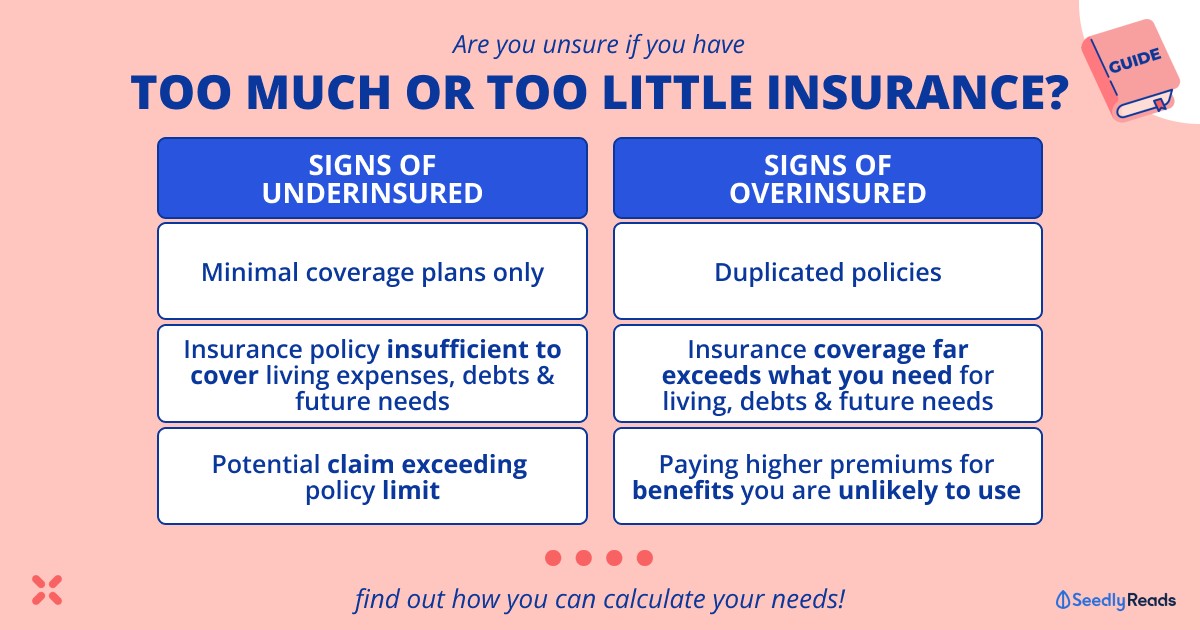
Communication is a cornerstone of effective insurance management in multi-policy families. Each member should have a basic understanding of the coverage in place and know where to find policy documents, contact information, and claims procedures. This becomes especially important in emergencies, when quick access to insurance details can make a significant difference. Establishing a centralized record—whether digital or physical—can streamline this process and reduce stress during critical moments. It also helps prevent duplication of coverage, such as purchasing roadside assistance from multiple providers or overlapping travel insurance policies.
Another consideration is the potential for bundling and discounts. Many insurers offer incentives for combining multiple policies under one provider, such as auto and home insurance. These discounts can lead to substantial savings, but they also require careful evaluation. Bundling may simplify administration and enhance customer service, but it’s important to ensure that each policy still meets the family’s specific needs. A bundled package that offers convenience but lacks adequate coverage could end up costing more in the long run. Comparing bundled and standalone options, and periodically shopping the market, helps maintain a balance between cost and quality.
As families grow and evolve, so too should their insurance strategies. Children reaching driving age, going off to college, or moving out on their own can trigger changes in coverage requirements. Parents may need to adjust auto policies, add renters insurance for college housing, or consider health insurance options for dependents aging out of family plans. Likewise, caring for elderly relatives may introduce the need for long-term care insurance or expanded health coverage. Staying proactive and responsive to these transitions ensures that the family remains adequately protected through each stage of life.
Ultimately, managing coverage in multi-policy families is about integration and foresight. It’s not enough to simply have insurance—it must be coordinated, comprehensive, and aligned with the family’s goals and lifestyle. Regular reviews, open communication, and collaboration with trusted advisors can help navigate the complexities and make informed decisions. By treating insurance as a dynamic part of the family’s financial ecosystem, rather than a static set of documents, families can build resilience and confidence in the face of uncertainty.