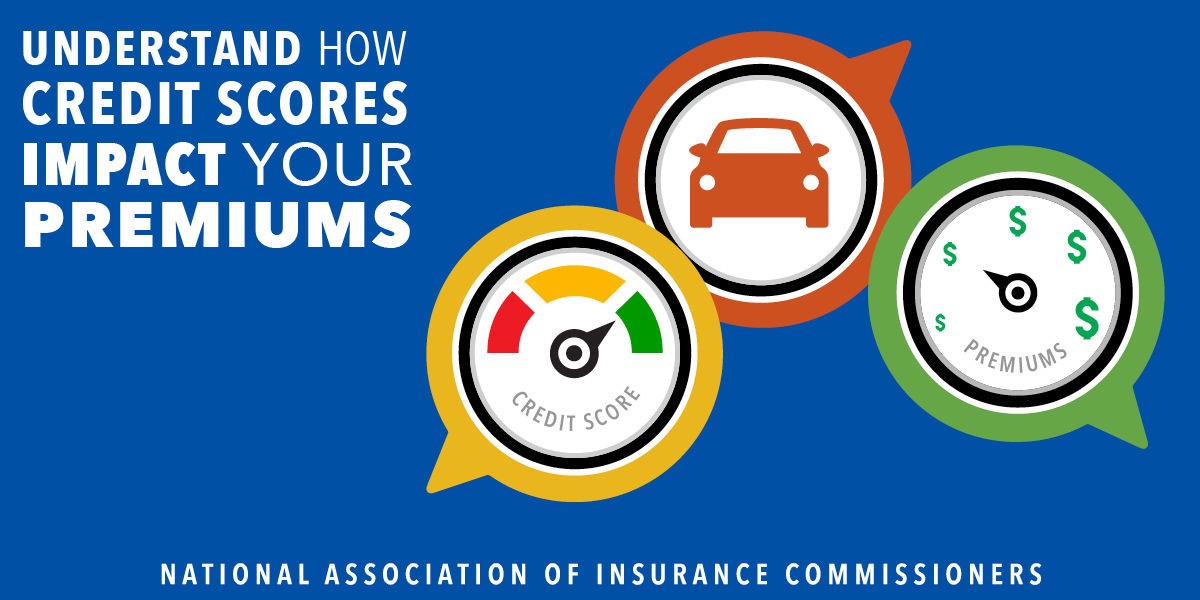
In the intricate world of personal finance, a good credit score is often lauded as a gateway to favorable loan terms, lower interest rates on credit cards, and even better housing opportunities. However, its influence extends far beyond lending, subtly yet significantly impacting an area many consumers might not immediately associate with creditworthiness: insurance premiums. For auto, homeowners, and even some life insurance policies, your credit score can play a pivotal role in determining how much you pay, making it a crucial element in your overall financial well-being. Understanding this relationship is key to optimizing your insurance costs and ensuring you’re not unknowingly paying more than you should.
It’s important to clarify from the outset that insurance companies don’t typically use your traditional FICO or VantageScore credit score directly. Instead, they utilize a specialized metric known as a **credit-based insurance score**. While distinct, these insurance scores are derived from the information found in your regular credit report and are designed to predict the likelihood of an individual filing an insurance claim and the potential cost of that claim. The underlying theory, supported by industry research and claims data, is that individuals who manage their finances responsibly, as reflected in a higher credit-based insurance score, tend to file fewer and less costly insurance claims. Conversely, those with lower scores are statistically associated with a higher propensity for claims, leading insurers to perceive them as higher risk.
The factors that influence your credit-based insurance score closely mirror those of your standard credit score. These generally include your **payment history** (whether you pay bills on time), the **amount of outstanding debt** you carry, the **length of your credit history**, your **credit mix** (types of credit accounts you have), and any **new credit inquiries**. A consistent history of timely payments, low credit utilization, and a long-standing, diverse credit portfolio are indicators of financial responsibility that can positively impact your insurance score, potentially leading to lower premiums. Major negative items on your credit report, such as bankruptcies, collections, or foreclosures, will almost certainly have an adverse effect, signalling a higher perceived risk to insurers.
The impact of your credit-based insurance score varies across different types of personal insurance. For **auto insurance**, a strong credit-based insurance score can lead to significant savings. Insurers believe that financially responsible individuals are also more likely to be responsible drivers, leading to fewer accidents and claims. Conversely, a poor score might place you in a higher risk category, resulting in substantially elevated premiums. Similarly, for **homeowners insurance**, your credit-based insurance score can influence your rates. Insurers might associate a higher score with a homeowner who is more likely to maintain their property, take preventative measures against damage, and file fewer claims. A lower score could suggest a higher risk of property damage or theft claims. While less common, some **renters insurance** providers may also consider credit scores when setting rates.
It’s crucial to acknowledge that the use of credit-based insurance scores is not universally accepted or allowed. While a vast majority of states in the U.S. permit insurers to use these scores as a factor in setting premiums, some states have either **banned or significantly restricted their use**. States like California, Hawaii, Maryland, Massachusetts, and Michigan are among those that place limitations on how insurers can use credit information for certain types of policies. These regulations are often enacted to prevent potential discrimination and ensure more equitable access to insurance, regardless of an individual’s financial situation. Therefore, it’s always wise to check with your state’s insurance department to understand the specific regulations in your area.
For consumers, knowing the impact of their credit score on insurance premiums empowers them to take proactive steps. Regularly **monitoring your credit report** is a fundamental practice. The Fair Credit Reporting Act (FCRA) grants you the right to obtain a free credit report from each of the three major credit bureaus (Equifax, Experian, and TransUnion) annually. Reviewing these reports for accuracy is vital; even minor errors can negatively affect your score and, consequently, your insurance rates. If you find discrepancies, it’s important to dispute them promptly.
Furthermore, actively **working to improve your credit score** can translate directly into lower insurance costs over time. This involves consistent on-time payments, keeping credit card balances low relative to your credit limits, avoiding unnecessary new credit applications, and maintaining a long, healthy credit history. While improving a credit score takes time and diligence, the benefits extend across various aspects of your financial life, including insurance premiums, making the effort well worth it.
In conclusion, your credit score, specifically your credit-based insurance score, undeniably plays a significant role in determining how much you pay for various insurance policies. While the direct correlation might not always be immediately apparent to the average consumer, insurers utilize this data as a predictive tool for risk assessment. By understanding this connection, proactively monitoring your credit, and taking steps to enhance your creditworthiness, you can not only improve your overall financial health but also unlock substantial savings on your insurance premiums, ensuring you receive the most favorable rates available for the comprehensive protection you need.