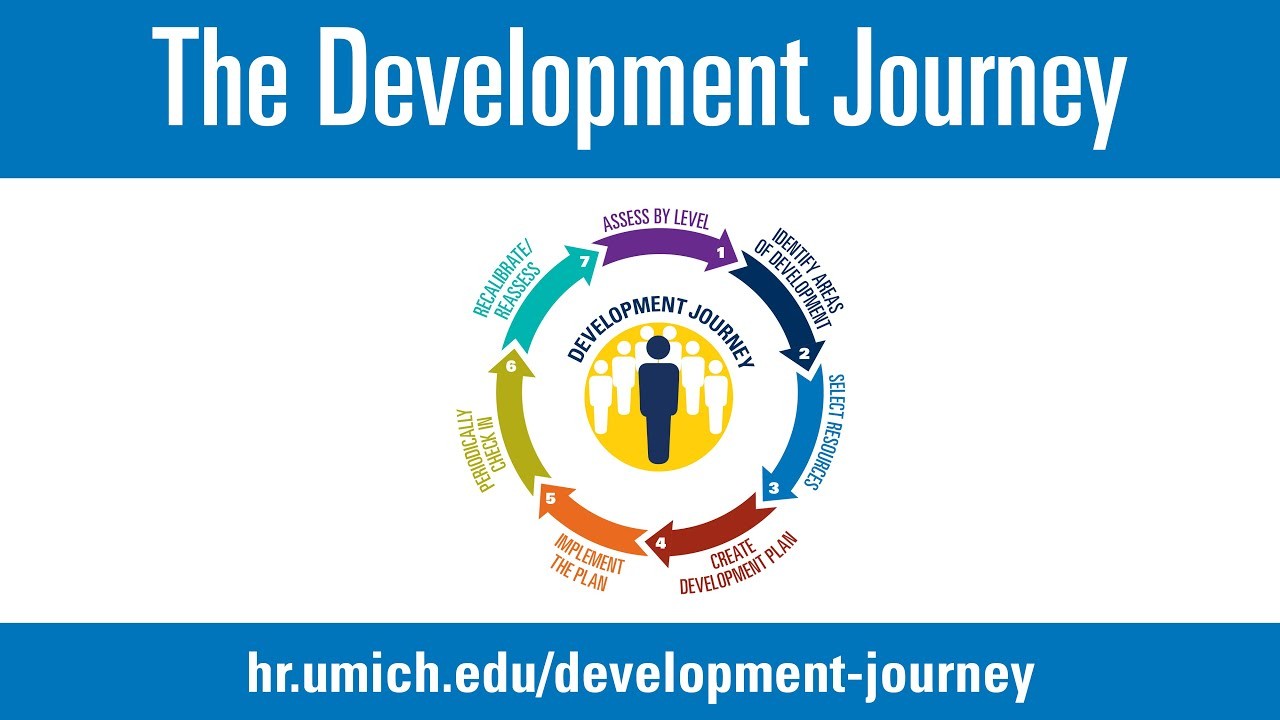
Professional development for educators is not a one-time event or a checklist to be completed—it’s a continuous journey of growth, reflection, and reinvention. At its best, it’s a process that deepens expertise, sharpens perspective, and renews purpose. In a field that evolves as rapidly as education, where new technologies, pedagogical theories, and societal expectations constantly reshape the landscape, staying current is not just beneficial—it’s essential. But beyond keeping pace, professional development is about cultivating the kind of educator who can inspire, adapt, and lead with intention.
The journey often begins with foundational training, where educators learn the mechanics of instruction, classroom management, and curriculum design. But the real transformation happens over time, through lived experience and ongoing learning. A teacher may start with a theoretical understanding of differentiated instruction, but it’s only after years of trial, error, and reflection that they truly grasp how to tailor learning to individual needs. Professional development bridges that gap between theory and practice, offering opportunities to refine skills, explore new approaches, and connect with peers who share similar challenges and aspirations.
One of the most powerful aspects of professional development is its ability to reignite passion. Teaching is demanding, and even the most dedicated educators can experience fatigue or disillusionment. Workshops, conferences, and collaborative learning communities provide space to step back, gain fresh insights, and remember why the work matters. A seminar on trauma-informed teaching, for example, might not only offer strategies but also validate the emotional labor educators carry. That validation can be deeply restorative, reminding teachers that they are not alone and that their efforts have impact.
Effective professional development is also responsive. It doesn’t assume a one-size-fits-all model but instead recognizes the diverse contexts in which educators work. A rural school may face different challenges than an urban one. A veteran teacher may seek leadership training, while a newcomer may need support with classroom routines. Tailoring development to these needs ensures relevance and engagement. When educators feel that their growth is being supported in meaningful ways, they are more likely to invest in the process and apply what they learn.
Technology has expanded the possibilities for professional development, making it more accessible and flexible. Online courses, webinars, and virtual communities allow educators to learn on their own schedule and connect with experts across the globe. This democratization of learning is especially valuable for those in remote or under-resourced areas. A teacher in a small district can now participate in global conversations about equity, innovation, or assessment. These digital platforms also encourage self-directed learning, empowering educators to pursue topics that resonate with their interests and goals.
Collaboration is another cornerstone of meaningful professional development. Learning alongside peers fosters dialogue, reflection, and shared problem-solving. Professional learning communities, coaching partnerships, and interdisciplinary teams create environments where educators can challenge assumptions, exchange ideas, and support one another. These relationships often lead to deeper learning than solitary study. A math teacher working with a literacy specialist might discover new ways to integrate reading strategies into problem-solving. That kind of cross-pollination enriches practice and broadens perspective.
Leadership development is an important dimension of the journey. As educators gain experience, many seek to expand their influence beyond the classroom. Professional development can prepare them to lead teams, design curriculum, or shape policy. These roles require not only pedagogical expertise but also skills in communication, strategic thinking, and change management. Supporting educators in this transition ensures that leadership is grounded in classroom realities and driven by a commitment to student success. It also helps retain talent, offering pathways for growth that honor experience and ambition.
Reflection is what ties the journey together. Professional development is not just about acquiring new tools—it’s about making sense of them. Taking time to reflect on what worked, what didn’t, and why deepens understanding and informs future practice. Journaling, peer feedback, and coaching conversations all support this process. Reflection turns learning into insight and insight into action. It helps educators connect the dots between their values, their methods, and their impact.
Ultimately, the journey of professional development is about becoming more intentional, more informed, and more inspired. It’s about evolving not just as a teacher, but as a learner, a leader, and a contributor to a larger mission. In a profession that shapes minds and futures, the commitment to growth is both a responsibility and a privilege. When educators embrace this journey with curiosity and courage, they not only transform their own practice—they help transform education itself. And that transformation, grounded in continuous learning and shared purpose, is what makes the journey so vital and so rewarding.