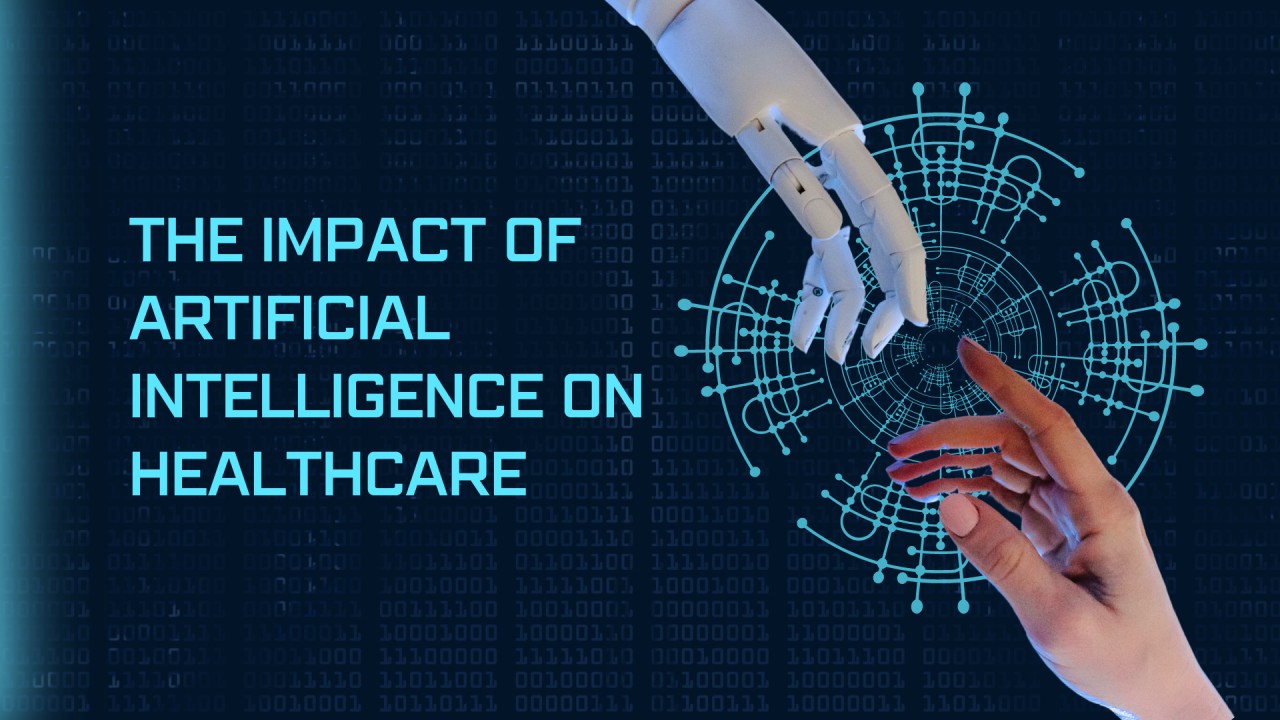
The landscape of medicine, traditionally rooted in centuries of empirical observation and rigorous scientific inquiry, is currently undergoing a profound and rapid transformation. This revolution is largely being driven by the integration of Artificial Intelligence (AI), a technology that is not merely enhancing existing practices but fundamentally reshaping how healthcare is delivered, diagnosed, and developed. AI’s capacity to process, analyze, and interpret vast quantities of complex data at unprecedented speeds is unlocking new frontiers in patient care, drug discovery, and operational efficiency, promising a future where medicine is more precise, predictive, and personalized.
One of the most significant impacts of AI is in the realm of **diagnostics and early disease detection**. Medical imaging, such as X-rays, MRIs, and CT scans, generates immense amounts of data. AI algorithms, particularly deep learning models, are now capable of analyzing these images with remarkable accuracy, often identifying subtle anomalies that might be overlooked by the human eye, especially during long shifts or in complex cases. For instance, AI systems have demonstrated superior accuracy in detecting early signs of various cancers, neurological disorders like Alzheimer’s and stroke, and even conditions like diabetic retinopathy. This not only speeds up the diagnostic process but also significantly improves the chances of early intervention, which is often crucial for better patient outcomes. The AI acts as a sophisticated “second opinion,” augmenting the capabilities of highly skilled radiologists and pathologists rather than replacing them.
Beyond imaging, AI is revolutionizing **personalized medicine and treatment planning**. By analyzing an individual’s unique genetic makeup, medical history, lifestyle data, and even real-time physiological readings from wearables, AI can help predict disease susceptibility and tailor treatment regimens. This moves healthcare away from a one-size-fits-all approach to highly individualized interventions. For example, in oncology, AI can analyze a tumor’s genomic profile and predict how it might respond to different therapies, guiding oncologists toward the most effective and least toxic treatment plan for a specific patient. This level of precision, based on a comprehensive understanding of an individual’s biology, holds the promise of dramatically improving therapeutic efficacy and minimizing adverse side effects.
The pharmaceutical industry, historically plagued by lengthy and incredibly costly drug discovery processes with high failure rates, is finding a powerful ally in AI. AI algorithms can rapidly screen billions of molecular compounds to identify potential drug candidates, predict their efficacy, toxicity, and potential side effects with greater accuracy. They can analyze complex biological pathways to identify novel drug targets and even design entirely new molecules. This significantly accelerates the preclinical phase of drug development, reducing the time and resources required to bring new medications to market. Companies are already leveraging AI to identify existing drugs that can be repurposed for new diseases, and AI-discovered drugs are now entering clinical trials with promising initial success rates, offering hope for faster breakthroughs in treating intractable diseases.
AI’s impact also extends to **operational efficiency and administrative streamlining** within healthcare systems. Hospitals and clinics generate vast amounts of administrative data, from patient scheduling and billing to medical record management. AI-powered tools can automate many of these mundane, repetitive tasks, freeing up healthcare professionals to focus more on direct patient care. Virtual health assistants and chatbots can handle routine patient inquiries, assist with appointment scheduling, provide medication reminders, and offer preliminary symptom assessments, improving patient engagement and reducing the burden on frontline staff. By optimizing resource allocation, predicting staffing needs, and streamlining workflows, AI contributes to more efficient and cost-effective healthcare delivery, addressing some of the systemic challenges facing healthcare providers globally.
Furthermore, **remote patient monitoring (RPM)**, significantly enhanced by AI, is transforming chronic disease management and post-discharge care. Wearable sensors and smart devices collect continuous data on vital signs, glucose levels, heart rhythms, and activity patterns. AI analyzes this real-time stream of data, detecting subtle changes or anomalies that might indicate a deteriorating condition or a need for intervention. This allows healthcare providers to monitor patients proactively from afar, intervene quickly if necessary, and prevent hospital readmissions. For instance, an AI-powered RPM system might detect an early sign of cardiac distress or an abnormal blood sugar trend, alerting the care team to adjust medication or schedule a virtual consultation before a crisis occurs. This shift towards continuous, preventive care outside the traditional hospital setting is making healthcare more accessible and responsive.
However, the transformative potential of AI in medicine is accompanied by significant **ethical considerations and challenges**. **Data privacy and security** are paramount, given the sensitive nature of patient health information. Robust safeguards, transparent data governance, and strict adherence to regulations like HIPAA and GDPR are critical to maintaining patient trust. **Algorithmic bias** is another serious concern; if AI models are trained on unrepresentative or biased datasets, they can perpetuate or even exacerbate existing health disparities, leading to inequitable diagnoses or treatments for certain demographic groups. Ensuring fairness, transparency (“explainable AI”), and accountability in AI decision-making is crucial. There are also concerns about the potential **deskilling of healthcare professionals** and the complex question of **liability** when AI systems err. The future of AI in medicine necessitates a collaborative approach between technologists, clinicians, policymakers, and ethicists to ensure that these powerful tools are developed and deployed responsibly, always prioritizing patient safety and well-being.
In conclusion, Artificial Intelligence is not just a tool in the field of medicine; it is a catalyst for a new era of healthcare. Its unparalleled capabilities in diagnostics, personalized treatment, drug discovery, operational efficiency, and remote monitoring are poised to deliver more precise, accessible, and preventive care. While challenges related to ethics, data, and human-AI collaboration remain, the trajectory of AI’s impact is undeniably towards a more intelligent, proactive, and patient-centric healthcare system, ultimately enhancing the lives of millions globally.