Personalized medicine is no longer a distant vision—it’s rapidly becoming a defining feature of modern healthcare. The idea that treatment can be tailored to an individual’s genetic makeup, lifestyle, and environment has moved from theory to practice, reshaping how we think about prevention, diagnosis, and therapy. As the field matures, the question is no longer whether personalized medicine will take hold, but how far it can go and what it will mean for patients, providers, and businesses alike. The next chapter promises to be as transformative as the last, with implications that stretch across clinical care, data science, and consumer engagement.
At its core, personalized medicine is about precision. Instead of applying broad protocols to diverse populations, it seeks to understand the unique biological and contextual factors that influence health outcomes. This shift is driven by advances in genomics, proteomics, and metabolomics, which allow clinicians to identify biomarkers and tailor interventions accordingly. For example, cancer treatment has seen dramatic improvements through targeted therapies that match drugs to specific genetic mutations. Patients who once faced limited options now benefit from treatments that are more effective and less toxic. This approach is expanding beyond oncology into areas like cardiology, neurology, and immunology, where individualized care is beginning to show promise.
The integration of artificial intelligence and machine learning is accelerating this progress. Algorithms can analyze vast datasets—from electronic health records to genomic sequences—to uncover patterns that would be impossible for humans to detect. These insights can inform everything from risk prediction to drug development, making healthcare more proactive and responsive. For businesses in the health tech space, this creates opportunities to build platforms that support clinical decision-making, streamline diagnostics, and personalize patient engagement. The challenge lies in balancing innovation with ethical considerations, particularly around data privacy and algorithmic bias. As personalized medicine becomes more data-driven, transparency and accountability will be essential to maintaining trust.
Consumer expectations are also evolving. Patients are no longer passive recipients of care; they’re informed, empowered, and increasingly involved in their health decisions. Wearable devices, mobile apps, and direct-to-consumer genetic testing have given individuals unprecedented access to personal health data. This democratization of information is reshaping the patient-provider relationship and creating demand for services that are not only effective but also intuitive and personalized. Businesses that can deliver seamless, user-centric experiences will be well-positioned to lead in this space. It’s not just about the science—it’s about how that science is delivered and understood.
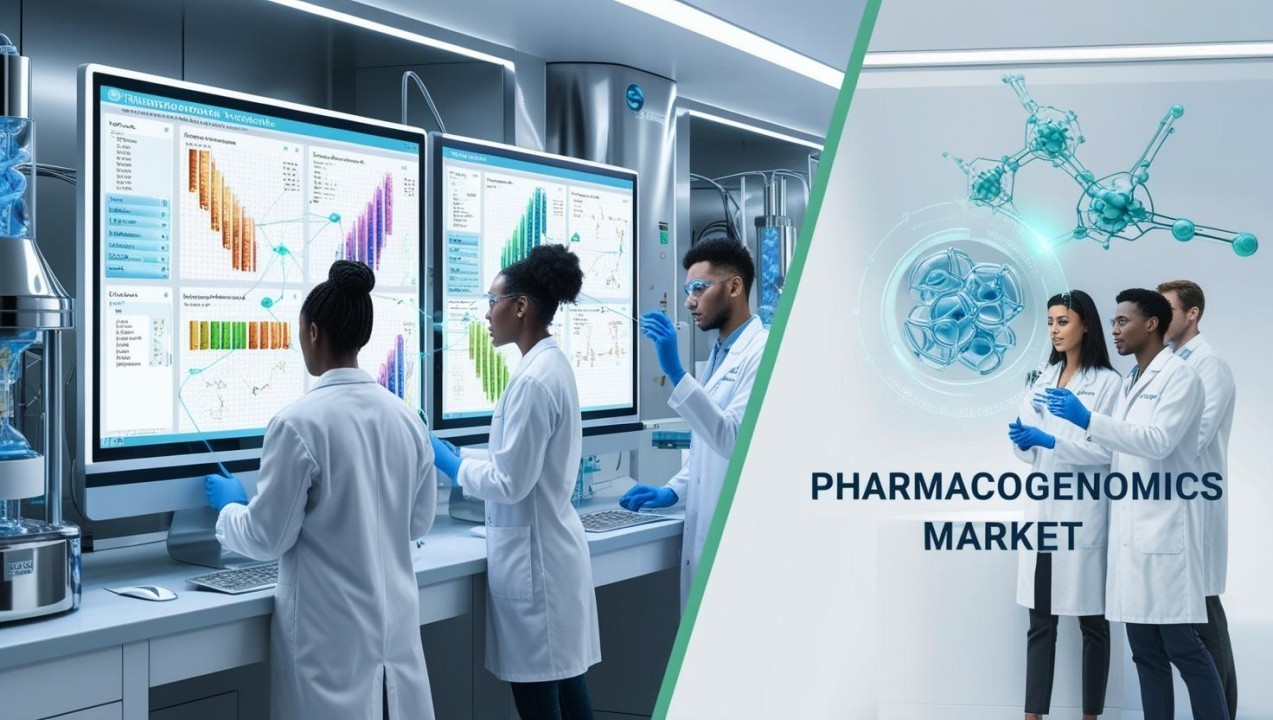
One of the most exciting frontiers in personalized medicine is pharmacogenomics, which examines how genes affect a person’s response to drugs. This field has the potential to eliminate much of the trial-and-error in prescribing, reducing adverse reactions and improving efficacy. Imagine a future where your medication is selected not just based on symptoms, but on how your body is likely to metabolize it. This could revolutionize chronic disease management, mental health treatment, and even anesthesia protocols. For pharmaceutical companies, it means rethinking drug development pipelines and investing in companion diagnostics that guide usage. The business model shifts from mass production to targeted solutions, with implications for pricing, regulation, and market access.
However, the promise of personalized medicine is not without its hurdles. Equity remains a major concern. Access to advanced diagnostics and tailored treatments is often limited to those with financial means or proximity to cutting-edge institutions. If personalized medicine is to fulfill its potential, it must be inclusive. This requires investment in infrastructure, education, and policy reform to ensure that innovation reaches underserved communities. Businesses and governments alike have a role to play in bridging these gaps, whether through public-private partnerships, scalable technologies, or value-based care models that prioritize outcomes over volume.
Regulatory frameworks will also need to evolve. Personalized medicine challenges traditional paradigms of approval and reimbursement. Treatments may be effective for small subsets of patients, making large-scale trials impractical. Regulators must find ways to evaluate efficacy and safety without stifling innovation. Adaptive trial designs, real-world evidence, and collaborative data sharing are emerging as viable solutions. For companies operating in this space, staying ahead of regulatory trends is not just prudent—it’s essential. Navigating this landscape requires agility, foresight, and a commitment to ethical standards.
Looking ahead, the convergence of personalized medicine with other disciplines—such as behavioral science, nutrition, and environmental health—will further enrich its impact. Health is multifaceted, and understanding how genetics interact with lifestyle and surroundings can lead to more holistic care. A personalized approach might include not only medication but also tailored dietary plans, stress management techniques, and environmental modifications. This integrative model aligns with the growing emphasis on preventive care and wellness, offering new avenues for innovation and engagement.
Ultimately, the future of personalized medicine is about more than technology—it’s about transformation. It’s about shifting from reactive to proactive care, from generalized to individualized treatment, and from fragmented systems to integrated solutions. For professionals in business, healthcare, and technology, this evolution presents both a challenge and an opportunity. Success will depend on the ability to collaborate across disciplines, center the patient experience, and build systems that are as adaptable as they are precise. Personalized medicine is not just changing how we treat disease—it’s redefining what it means to be healthy. And in that redefinition lies the potential to create a more responsive, equitable, and human-centered healthcare future.