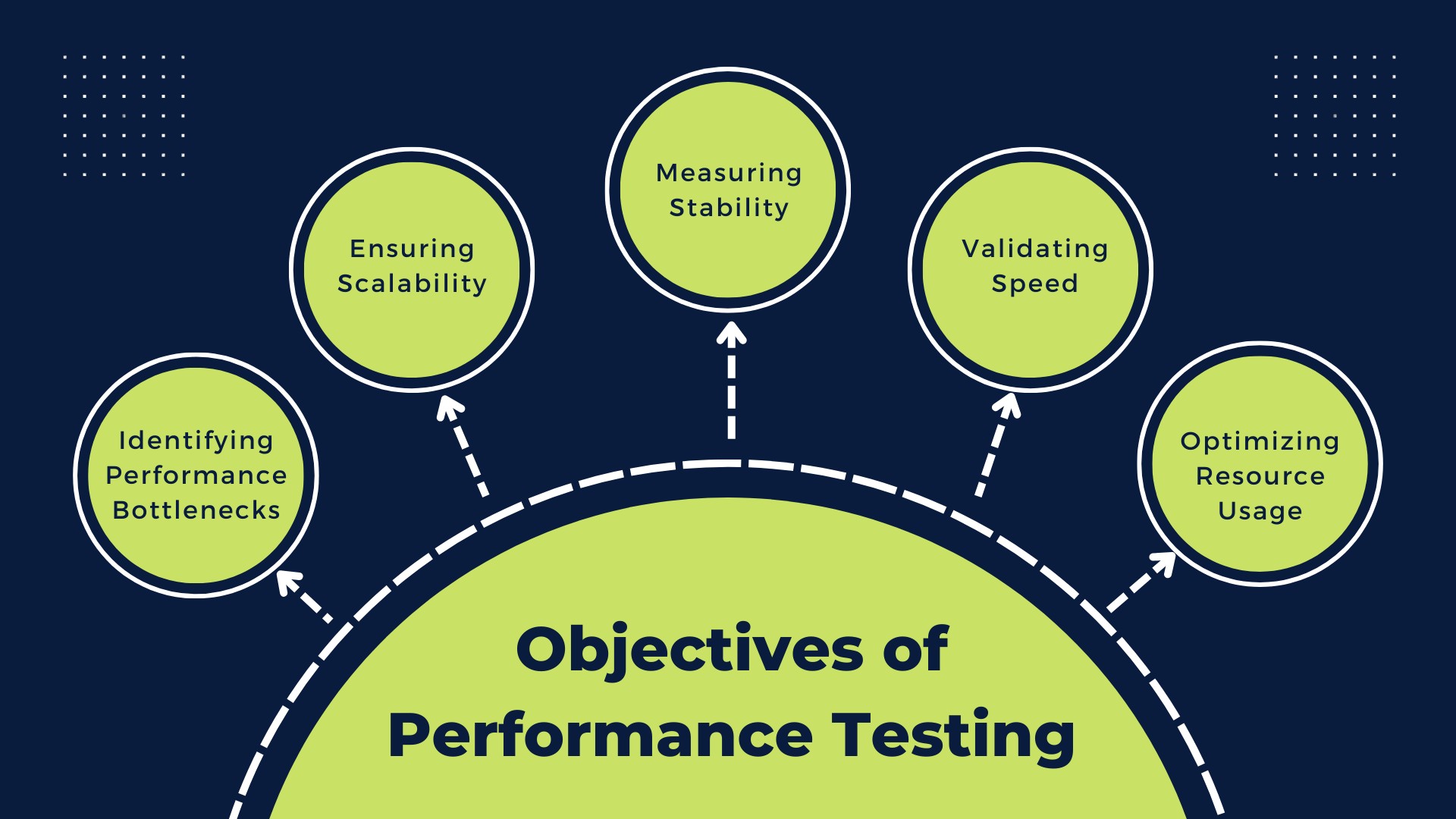
Performance testing has become an essential part of modern software development, ensuring that applications not only function correctly but also deliver a smooth and reliable experience under real-world conditions. In an era where users expect instant responsiveness and uninterrupted service, the ability of software to handle varying loads and maintain stability is just as important as its features. Performance testing provides the insights needed to validate these expectations, helping organizations deliver products that meet both technical and business goals.
One of the most significant benefits of performance testing is its ability to uncover bottlenecks before they affect end users. Applications often behave differently when subjected to heavy traffic or complex workloads, and issues that remain hidden during functional testing can surface under stress. By simulating high usage scenarios, performance testing identifies weaknesses in code, infrastructure, or configuration that could lead to slowdowns or crashes. Addressing these issues early prevents costly downtime and protects the reputation of the business.
Reliability is another critical advantage gained through performance testing. Customers expect systems to be available whenever they need them, and even brief outages can erode trust. Testing ensures that applications remain stable under varying conditions, from peak traffic during product launches to sustained usage over time. This reliability builds confidence among users and stakeholders, demonstrating that the organization takes quality seriously and is prepared to support growth without compromising service.
Scalability is closely tied to performance testing. As businesses expand, their software must accommodate increasing numbers of users, transactions, and data. Without proper testing, scaling can introduce unexpected challenges, such as resource contention or degraded response times. Performance testing provides a roadmap for scaling effectively, showing how systems behave as demand grows and where adjustments are needed. This foresight allows organizations to plan infrastructure investments wisely, avoiding unnecessary costs while ensuring readiness for future demand.
User experience is directly influenced by performance, making testing a vital tool for customer satisfaction. Slow-loading pages, lagging applications, or inconsistent responses frustrate users and drive them toward competitors. Performance testing helps ensure that applications deliver the speed and responsiveness customers expect, even under heavy load. By validating response times and throughput, businesses can create experiences that feel seamless and intuitive, strengthening customer loyalty and engagement.
From a business perspective, performance testing reduces risk. Software failures can lead to lost revenue, damaged brand reputation, and regulatory consequences. By proactively identifying and resolving performance issues, organizations minimize the likelihood of disruptions that could harm operations. This risk reduction is particularly important in industries such as finance, healthcare, or e-commerce, where downtime or errors can have significant financial or legal implications. Performance testing becomes a safeguard, protecting both the business and its customers.
Efficiency is another benefit that emerges from performance testing. By analyzing how systems use resources such as memory, CPU, and bandwidth, testing highlights opportunities for optimization. Developers can fine-tune code, adjust configurations, or streamline processes to reduce overhead and improve efficiency. These optimizations not only enhance performance but also lower operational costs, as systems require fewer resources to deliver the same level of service. Efficiency gains contribute directly to profitability, making performance testing a valuable investment.
Performance testing also supports compliance and accountability. Many industries are subject to regulations that require systems to meet specific performance standards, particularly when handling sensitive data or critical services. Testing provides the evidence needed to demonstrate compliance, ensuring that organizations meet regulatory expectations and avoid penalties. It also reinforces accountability, showing stakeholders that performance is being monitored and managed proactively.
Collaboration across teams is strengthened through performance testing. Developers, testers, operations staff, and business leaders all benefit from the insights it provides. By sharing performance data, teams can align on priorities, make informed decisions, and work together to resolve issues. This collaboration fosters a culture of quality, where performance is seen as a shared responsibility rather than a siloed concern. The result is a more cohesive organization that delivers better outcomes for customers and stakeholders alike.
Innovation is supported by performance testing as well. When organizations have confidence in the stability and scalability of their systems, they are more willing to experiment with new features, integrations, or business models. Testing provides the assurance that innovation will not compromise performance, enabling businesses to pursue growth opportunities with reduced risk. In this way, performance testing becomes a catalyst for progress, empowering organizations to evolve while maintaining reliability.
The economic impact of performance testing is significant. While it requires investment in tools, expertise, and time, the returns are substantial. Preventing downtime, optimizing efficiency, and improving customer satisfaction all contribute to stronger financial performance. Moreover, the insights gained from testing help organizations allocate resources more effectively, ensuring that investments in infrastructure or development deliver maximum value. Performance testing is not just a technical exercise; it is a strategic initiative that supports long-term success.
Looking ahead, performance testing will continue to grow in importance as systems become more complex and interconnected. Cloud computing, microservices, and distributed architectures introduce new challenges that require careful validation. Organizations that embrace performance testing as a core practice will be better equipped to navigate these complexities, ensuring that their software remains reliable, scalable, and efficient. As digital transformation accelerates, performance testing will be a key enabler of resilience and growth.
Ultimately, the benefits of performance testing extend far beyond technical validation. It enhances reliability, scalability, efficiency, and user experience, while reducing risk and supporting compliance. It fosters collaboration, enables innovation, and strengthens business performance. By making performance testing a central part of software development, organizations can deliver products that not only meet functional requirements but also exceed expectations in speed, stability, and reliability. In a competitive digital landscape, this commitment to performance is what sets successful businesses apart.