Deciding whether to rent or own a home is one of the most significant financial choices many people face, and it often involves weighing a complex mix of personal priorities and economic factors. Both renting and owning come with their own sets of advantages and drawbacks, especially when viewed through a financial lens. Understanding these pros and cons in detail can help individuals make informed decisions that align with their long-term goals and current circumstances.
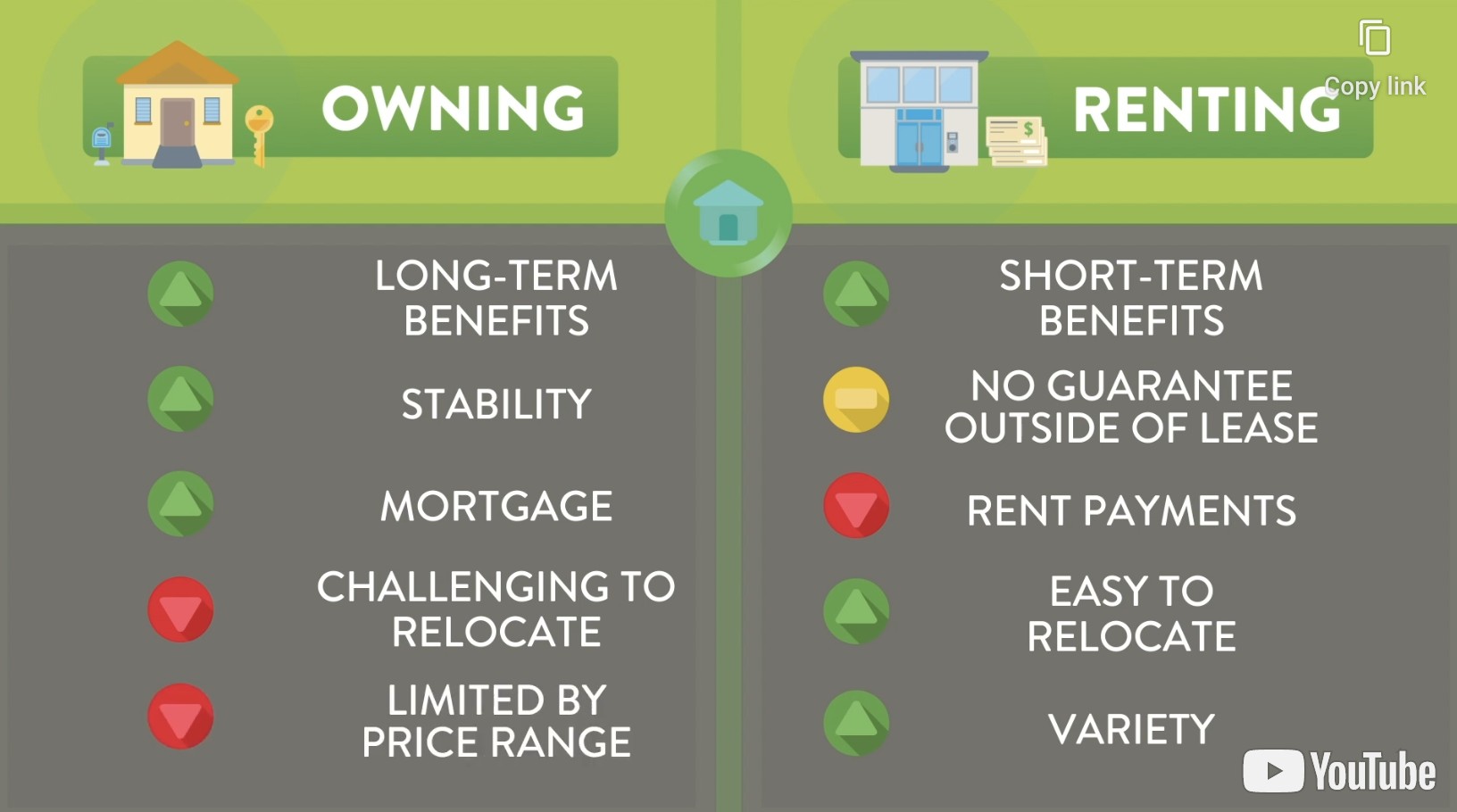
When looking at renting from a financial perspective, one of the most appealing aspects is the flexibility it offers. Renters typically face lower upfront costs compared to buyers. Instead of a substantial down payment, they usually only need to cover a security deposit and the first month’s rent. This makes renting accessible to those who might not have the savings or credit history necessary to qualify for a mortgage. Additionally, renters are generally not responsible for maintenance or repairs, which can translate into significant savings and less financial unpredictability. For example, if a landlord covers the cost of a broken heater or a leaking pipe, renters are spared from those sudden expenses that homeowners must absorb.
Renting also provides mobility. For those whose careers demand frequent relocation or who are uncertain about settling in one place, renting can be a financially sound choice. Committing to a home purchase in an unstable job market or uncertain life phase could mean being stuck with a property that might be difficult to sell quickly. Renting allows for more freedom to move without the burdens of selling a home or paying transaction costs such as agent fees and closing costs.
However, despite these benefits, renting has notable financial downsides. One of the most significant is the absence of equity building. When rent is paid each month, the money goes to the landlord with no return on investment for the tenant. Over time, this can mean millions of dollars spent with no asset accumulation. This aspect is especially critical for those thinking about long-term wealth building. For example, while a homeowner’s monthly mortgage payments contribute to ownership, a renter’s payments do not create any form of financial asset.
On the other hand, homeownership carries the potential for equity growth and financial stability, which are major draws for buyers. Every mortgage payment reduces the principal loan balance, gradually increasing the homeowner’s stake in the property. Moreover, homes generally appreciate in value over time, offering the possibility of a significant return on investment. A homeowner who purchased a house a decade ago in a growing neighborhood may now find their property worth substantially more, providing a nest egg or source of capital for other investments. This equity also opens doors to financial tools such as home equity loans or lines of credit, which can be useful for funding major expenses like education or renovations.
Owning a home also offers a sense of stability and control over living space that renting does not. Homeowners can make improvements, customize their environment, and avoid the uncertainty of rent increases or landlord decisions that can affect tenants. These non-financial benefits often translate indirectly into financial value through improved quality of life and potentially increased property value.
Despite these advantages, the financial responsibilities of owning a home are substantial and sometimes underestimated. Upfront costs like down payments, closing fees, and moving expenses can be significant hurdles. Additionally, ongoing expenses such as property taxes, homeowners insurance, maintenance, and unexpected repairs can strain budgets, especially for first-time buyers. Unlike renters, homeowners must prepare for the unpredictability of costs that arise from wear and tear or sudden issues—like a broken furnace or a leaking roof—that can quickly escalate into expensive repairs.
Mortgage payments themselves can fluctuate, especially if the loan carries a variable interest rate, which introduces an element of financial risk. Homeowners are also tied to their location more rigidly; selling a home can be a lengthy and costly process, especially if market conditions are unfavorable. These factors mean that while homeownership can be a path to financial growth, it demands careful planning and a buffer for unexpected costs.
An additional financial consideration when comparing renting and owning is the tax implications. Homeowners may benefit from mortgage interest deductions and property tax deductions on their federal income tax returns, which can reduce their overall tax burden. Renters, meanwhile, generally do not receive similar tax advantages. However, these benefits vary widely depending on the taxpayer’s individual situation and the current tax laws, which can change over time.
Furthermore, the local housing market plays a crucial role in determining whether renting or owning is more advantageous financially. In some high-cost cities, the monthly rent might exceed what a mortgage payment on a comparable home would be, making buying a more attractive financial choice. Conversely, in areas where home prices are inflated relative to incomes, renting may be the smarter financial move to avoid being “house poor,” where most income goes toward housing costs, leaving little for other essentials.
Ultimately, the decision to rent or own is deeply personal and situational, influenced by financial realities as well as life goals and preferences. For someone early in their career or planning to move within a few years, renting offers flexibility and lower financial commitment. For those seeking long-term stability and willing to manage the responsibilities and risks, owning a home can be a powerful vehicle for building wealth and securing a place to call their own.
What’s clear is that neither renting nor owning is inherently better; each comes with trade-offs that deserve careful consideration. By understanding the financial pros and cons of both, individuals can make choices that not only suit their current situation but also support their future aspirations. In the end, a well-informed decision in housing can be a cornerstone of financial health and personal fulfillment.