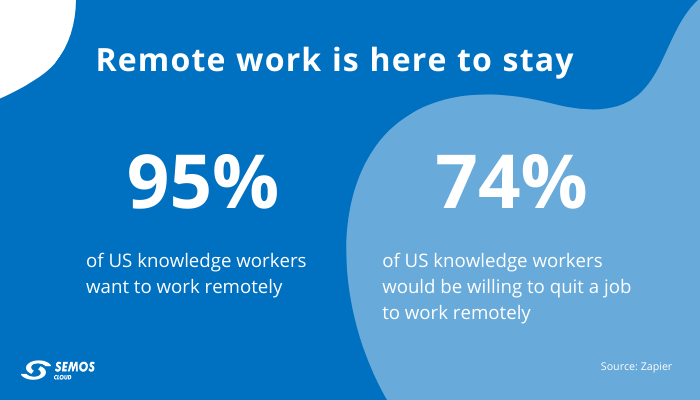
The concept of remote work has transformed from a niche flexibility perk to a fundamental shift in how organizations operate across the globe. The COVID-19 pandemic accelerated this transition dramatically, forcing businesses to rethink traditional office models almost overnight. As we move further into 2025, the question remains: is remote work here to stay? The answer is complex but increasingly leans toward a resounding yes, shaped by evolving workforce expectations, technological advances, and shifting economic realities.
Remote work’s rapid rise was initially a reaction to a global health crisis, but its endurance stems from far deeper structural changes in the nature of work and workplace culture. Employees have demonstrated that productivity does not necessarily depend on physical presence in an office. Many workers have reported improved work-life balance, reduced commuting stress, and greater autonomy when working remotely. These benefits have led to a sustained demand for flexible work arrangements. Companies that insist on full-time office returns risk losing talent to competitors who offer hybrid or fully remote options. This shift signals a permanent redefinition of the traditional workplace rather than a temporary detour.
Technological innovation has been a critical enabler in making remote work viable and effective. Advances in collaboration tools, cloud computing, video conferencing, and cybersecurity have closed many gaps that once made remote work challenging. Teams spread across continents can now brainstorm in real-time, share complex documents securely, and maintain high levels of engagement despite physical separation. Moreover, artificial intelligence and automation tools are streamlining workflows, allowing remote teams to focus more on strategic, creative, and relationship-building tasks. As these technologies continue to evolve, they will further embed remote work into standard business practice.
However, remote work is not without its challenges. Some organizations struggle with maintaining company culture, fostering team cohesion, and ensuring consistent communication when employees are dispersed. Leadership styles must adapt to manage performance based on outcomes rather than micromanagement. In addition, not all jobs or industries are equally suited for remote work. Sectors such as manufacturing, healthcare, and retail often require a physical presence, limiting remote work’s universal applicability. The hybrid work model—combining remote and in-office days—has emerged as a practical solution for many companies, balancing flexibility with face-to-face interaction.
The real estate and urban landscapes are also undergoing transformation as a result of the remote work phenomenon. With less demand for traditional office space, companies are reconsidering their leases, and cities are witnessing shifts in commuter patterns and downtown economies. Residential preferences are evolving too, as workers seek homes that accommodate dedicated office spaces. This has implications for infrastructure, zoning, and local economies, illustrating how remote work’s impact extends beyond corporate walls into broader societal realms.
From a global perspective, remote work opens new avenues for talent acquisition and economic inclusion. Companies can now tap into a more diverse and geographically dispersed talent pool, reducing reliance on local labor markets. This democratization of employment opportunities can benefit regions previously overlooked due to their distance from economic hubs. Yet, it also raises questions about wage disparities, labor regulations, and equitable access to high-speed internet and digital tools. Addressing these issues will be essential for making remote work sustainable and inclusive.
Mental health and work-life boundaries represent another important consideration. While remote work can reduce burnout caused by long commutes and rigid schedules, it can also blur the lines between professional and personal life. Without clear boundaries, employees risk overworking and feeling isolated. Forward-thinking organizations are now investing in employee well-being programs, encouraging regular breaks, and promoting virtual social interactions to maintain morale and prevent burnout.
Ultimately, the permanence of remote work depends on how well organizations adapt to its evolving dynamics. Those that view it as a strategic opportunity rather than a stopgap will reap long-term benefits. Remote work encourages greater autonomy, fosters innovation by enabling diverse collaboration, and can lower operational costs. However, its success requires intentional design of workflows, investment in the right technologies, and a commitment to maintaining a strong organizational culture.
In conclusion, remote work is far more than a passing trend; it is reshaping the future of employment in fundamental ways. While challenges remain, the advantages it offers employees and employers alike suggest that remote work is here to stay in some form. Whether fully remote, hybrid, or selectively applied, this new work paradigm demands that businesses rethink how they engage their workforce, utilize technology, and create environments where people can thrive regardless of location. Embracing this shift thoughtfully will be key to sustaining competitive advantage and fostering resilient, adaptive organizations in the years ahead.