In today’s digital age, cybersecurity has become a top priority for businesses of all sizes. Cyber threats are constantly evolving, and the consequences of a data breach or cyber attack can be devastating. Not only can it lead to financial loss, but it can also damage your reputation, erode customer trust, and result in legal liabilities. Fortunately, there are several proactive steps you can take to protect your business from these ever-present risks. This guide will walk you through the key measures to safeguard your business from cybersecurity threats.
1. Implement Strong Password Policies
One of the most basic yet effective ways to protect your business is by enforcing strong password policies. Passwords are the first line of defense against unauthorized access to your company’s sensitive data. Require employees to create complex passwords that include a combination of letters, numbers, and special characters. Additionally, encourage the use of multi-factor authentication (MFA), which adds an extra layer of security by requiring a second form of identification, such as a text message or app notification.
2. Train Your Employees on Cybersecurity Best Practices
Employees are often the weakest link in cybersecurity. Phishing attacks, social engineering tactics, and other forms of cybercrime often rely on human error to succeed. To mitigate this risk, invest in cybersecurity training for all employees. Educate them on how to recognize phishing emails, avoid clicking on suspicious links, and protect sensitive information. Regular training will help create a culture of security awareness and ensure that everyone in your organization understands their role in protecting company assets.
3. Use Firewalls and Antivirus Software
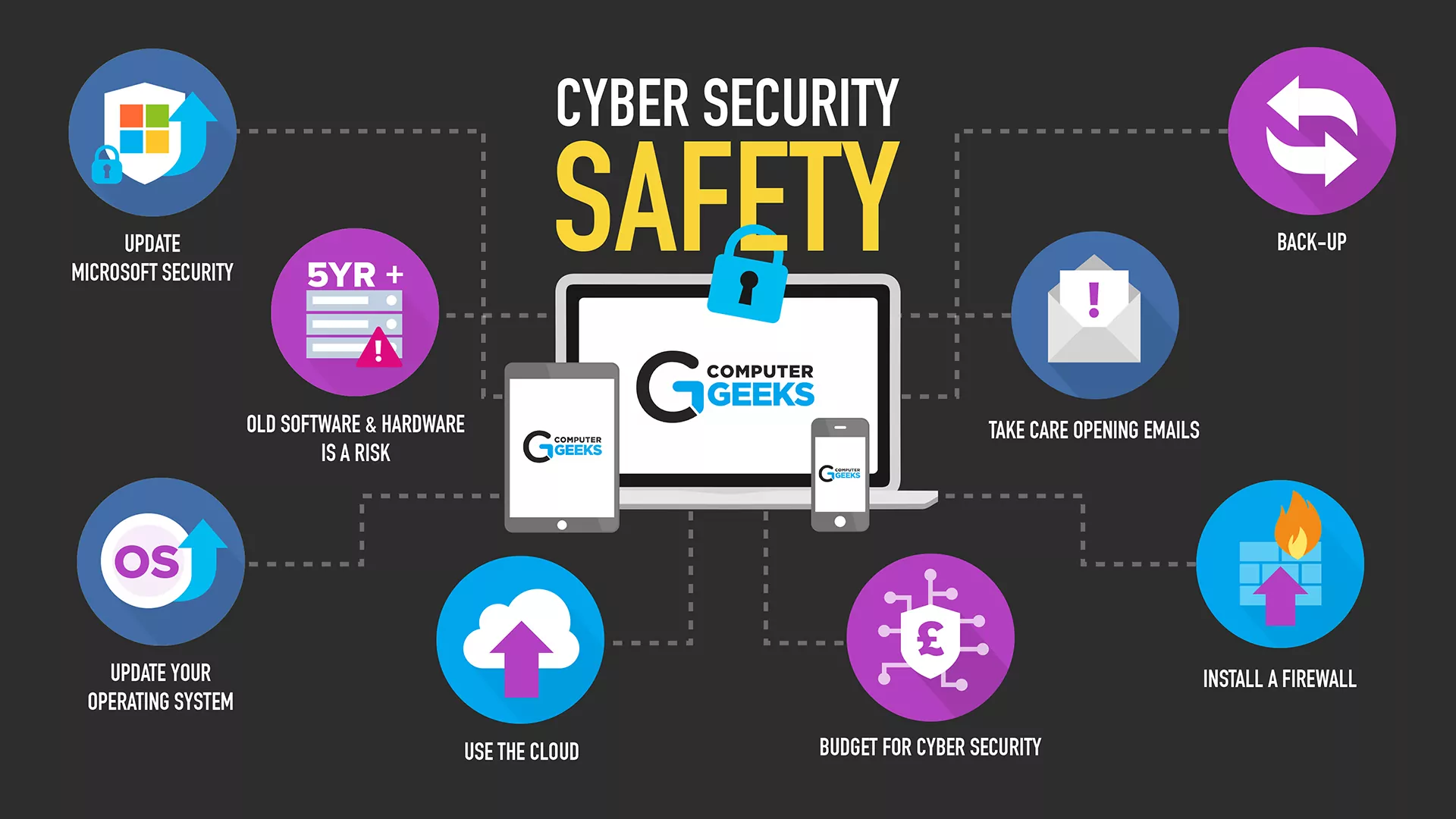
Firewalls and antivirus software are essential tools for protecting your business from malicious attacks. A firewall acts as a barrier between your network and the outside world, filtering out unauthorized access attempts. Antivirus software helps detect and remove malware, viruses, and other harmful programs that could compromise your systems. Ensure that all devices, from computers to mobile phones, are equipped with up-to-date antivirus software and that your network firewall is configured to block potential threats.
4. Encrypt Sensitive Data
Data encryption is one of the most effective ways to protect your business’s sensitive information. Encryption transforms data into unreadable code, ensuring that even if cybercriminals gain access to your systems, they will be unable to understand or use the information. Make sure that sensitive data, such as customer details, financial records, and intellectual property, is encrypted both in transit (when being sent over the internet) and at rest (when stored on servers).
5. Backup Your Data Regularly
Data loss can occur for a variety of reasons, including cyber attacks, hardware failure, or natural disasters. To protect your business from such disruptions, establish a regular data backup schedule. Backup critical files to secure cloud storage or external hard drives, ensuring that you can recover your data in the event of an attack or system failure. A robust backup system can minimize downtime, help you maintain business continuity, and prevent the loss of important information.
6. Update Software and Systems Regularly
Cybercriminals often exploit vulnerabilities in outdated software and systems to gain unauthorized access to your business’s network. To protect your business, make sure that all software, operating systems, and applications are kept up to date with the latest security patches and updates. Enable automatic updates when possible to ensure that your systems remain secure without requiring manual intervention.
7. Limit User Access to Sensitive Information
Not all employees need access to all company data. Implement the principle of least privilege, which involves granting employees access only to the information and systems they need to do their jobs. This minimizes the potential damage caused by a compromised account and helps ensure that sensitive data is only accessible to authorized personnel. Additionally, regularly review and update access permissions to ensure that they remain aligned with employee roles and responsibilities.
8. Develop an Incident Response Plan
Despite your best efforts, a cyber attack or security breach could still occur. Having an incident response plan in place is crucial to minimizing the impact of such an event. An effective plan outlines the steps to take when a breach occurs, including how to contain the attack, notify stakeholders, and recover lost data. Make sure your team is familiar with the plan and conduct regular drills to test its effectiveness. The quicker you can respond to a cyber incident, the less damage your business will face.
9. Monitor Network Activity and Implement Intrusion Detection Systems
Continuous monitoring of your network activity can help you detect potential security threats before they escalate into full-blown attacks. Intrusion detection systems (IDS) and intrusion prevention systems (IPS) can identify unusual behavior or unauthorized access attempts on your network. These systems can alert your IT team to take immediate action, helping to prevent further compromise. Regularly review logs and reports to stay ahead of potential security risks.
10. Secure Your Mobile Devices
With the increasing use of mobile devices for business operations, securing smartphones, tablets, and other mobile devices is essential. Install security software, use strong passwords, and enable device encryption to protect sensitive data on mobile devices. Additionally, create policies to govern the use of personal devices for work (BYOD – Bring Your Own Device), ensuring that employees follow security guidelines and that any lost or stolen devices are remotely wiped to prevent data theft.
11. Conduct Regular Security Audits and Penetration Testing
To ensure that your business is protected against emerging threats, it’s important to conduct regular security audits and penetration testing. A security audit involves reviewing your company’s security policies, procedures, and systems to identify potential vulnerabilities. Penetration testing simulates cyberattacks to test the effectiveness of your defenses. By identifying weaknesses and addressing them proactively, you can strengthen your security posture and reduce the risk of a successful attack.
12. Invest in Cybersecurity Insurance
Even with all the precautions in place, no system is completely immune to cyber threats. Cybersecurity insurance can provide an additional layer of protection, helping to cover the costs associated with a data breach or cyberattack, such as legal fees, notification costs, and damage control. While it’s not a substitute for strong cybersecurity practices, having the right insurance policy can help mitigate financial losses and support recovery efforts in the event of an incident.