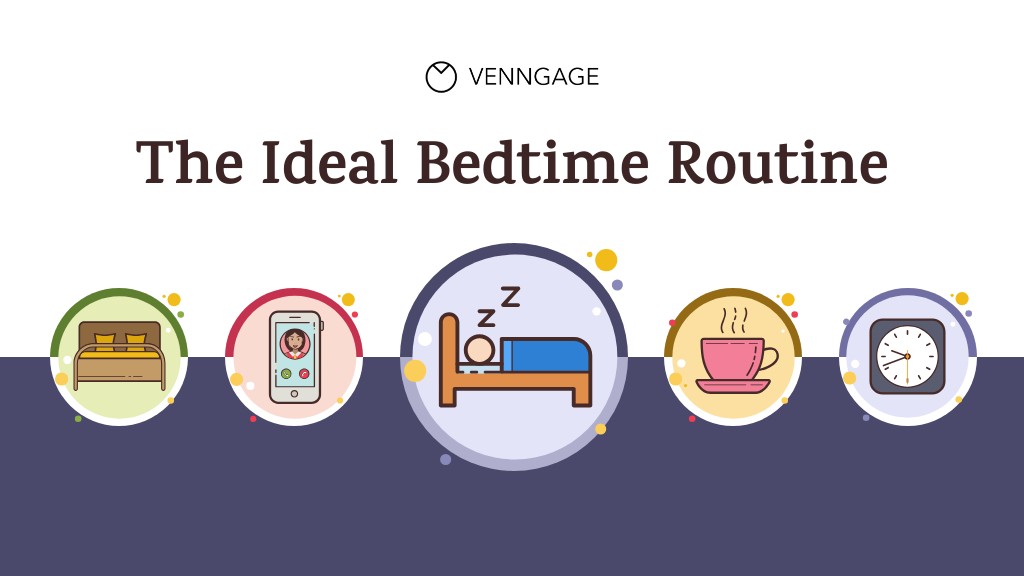
In the relentless pursuit of peak performance, sustained productivity, and optimal well-being, professionals often meticulously optimize their workflows, diet, and exercise regimens. Yet, a cornerstone of human function, often underestimated and frequently sacrificed in the demanding rhythm of modern life, is consistent, quality sleep. Far from being a mere period of inactivity, sleep is a profoundly active state crucial for cognitive restoration, emotional regulation, and physical repair. The ability to establish and adhere to a consistent sleep routine is not just a personal health choice; it is a strategic imperative that directly impacts decision-making, creativity, resilience, and overall professional efficacy. For those seeking a competitive edge and enduring vitality, mastering the art of a reliable sleep schedule is an investment with unparalleled returns.
The fundamental premise of a consistent sleep routine hinges on the body’s natural circadian rhythm, its internal 24-hour clock that regulates cycles of sleepiness and alertness. Disrupting this rhythm through erratic sleep patterns—going to bed at drastically different times each night, or pulling all-nighters—sends mixed signals to the brain, leading to fragmented sleep, daytime fatigue, and impaired cognitive function. The initial, and arguably most crucial, step in establishing consistency is to **set a fixed bedtime and wake-up time**, even on weekends. This might seem challenging at first, particularly for those accustomed to “catching up” on sleep, but adherence to a regular schedule helps calibrate your body’s internal clock, making it easier to fall asleep and wake up naturally over time. Think of it as recalibrating a complex machine; precision and regularity are key to optimal performance.
Beyond fixed timings, cultivating a conducive sleep environment is paramount. Your bedroom should be a sanctuary dedicated to rest, free from distractions that can impede the onset of sleep. This means ensuring the room is **dark, quiet, and cool**. Even small amounts of light from electronic devices, streetlights, or alarm clocks can disrupt melatonin production, the hormone that signals sleep. Investing in blackout curtains, eye masks, or even a white noise machine can create an auditory and visual environment optimized for slumber. Furthermore, maintaining a slightly cool room temperature (typically between 18-22 degrees Celsius) is often ideal for promoting sleep, as it facilitates the slight drop in body temperature needed to initiate and sustain deep sleep cycles.
The hours leading up to bedtime are equally critical in signaling to your body that it’s time to wind down. Establishing a **consistent pre-sleep ritual** helps prepare your mind and body for rest. This could involve reading a physical book, taking a warm bath, listening to calming music, or practicing gentle stretching or mindfulness exercises. The key is to avoid stimulating activities. This brings us to a pervasive modern challenge: **limiting screen time**. The blue light emitted from smartphones, tablets, computers, and televisions can suppress melatonin production, making it harder to fall asleep. Aim to disconnect from all screens at least an hour, ideally two, before your set bedtime. For professionals who are constantly connected, this might require discipline, but the cognitive benefits of improved sleep far outweigh the perceived need to check one last email.
Dietary and lifestyle choices throughout the day also significantly influence sleep quality. **Mindful consumption of caffeine and alcohol** is essential. While caffeine can provide a temporary boost, its stimulating effects can linger for many hours, disrupting sleep if consumed too late in the day. Similarly, while alcohol might initially induce drowsiness, it often leads to fragmented sleep later in the night as the body processes it. Pay attention to your body’s response and set personal cut-off times for these substances. Furthermore, **regular physical activity** is a powerful sleep aid, but timing is crucial. Exercising too close to bedtime can be counterproductive due to the stimulating effects of adrenaline and elevated body temperature. Aim to complete vigorous workouts several hours before you plan to sleep.
Finally, resilience and patience are key when establishing a new sleep routine. It is a behavioral change that takes time and consistent effort. There will be nights when sleep doesn’t come easily, or when external factors disrupt your schedule. The mistake is to abandon the routine altogether after a few minor setbacks. Instead, gently guide yourself back to your fixed schedule and rituals. Recognize that occasional disruptions are normal, but consistent adherence over weeks and months is what ultimately recalibrates your circadian rhythm and solidifies the routine. For any professional striving for sustained high performance and well-being, viewing sleep as a strategic asset, rather than a mere necessity, is the first step toward harnessing its profound restorative power and unlocking a more focused, resilient, and effective self.