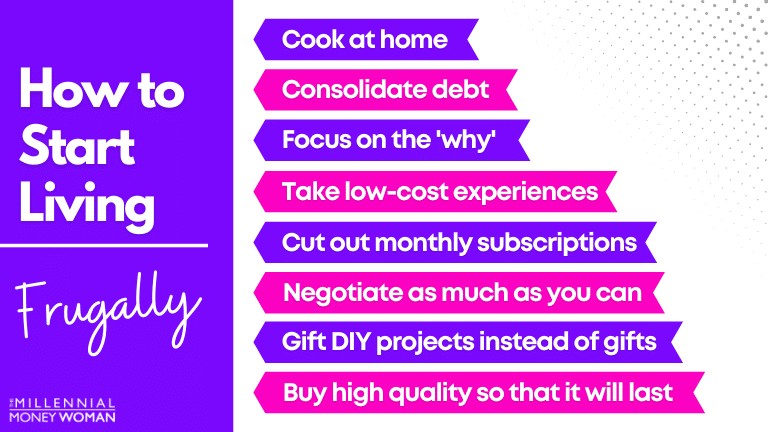
Frugal living often carries a stigma, as if choosing to spend less somehow signals a lack of ambition or sophistication. But the truth is, embracing frugality can be a powerful financial strategy and a deeply intentional lifestyle choice. The key lies in understanding the difference between being frugal and being cheap. Frugality is about maximizing value, making thoughtful decisions, and aligning spending with priorities. Cheapness, on the other hand, is often driven by avoidance—cutting corners regardless of quality or consequence. When approached with clarity and purpose, frugal living doesn’t diminish your experience; it enhances it.
One of the most important shifts in mindset is recognizing that frugality is not about deprivation. It’s about discernment. Choosing not to buy something isn’t a failure—it’s a decision. When you opt out of impulse purchases or high-cost trends, you’re not missing out; you’re exercising control. This is especially relevant in business, where resource allocation can make or break a venture. A startup that spends wisely on core infrastructure while resisting flashy but unnecessary expenses is more likely to survive and thrive. The same principle applies to personal finances. Spending with intention creates room for what truly matters, whether that’s travel, education, or long-term security.
Frugal living also encourages creativity. When you’re not relying on money to solve every problem, you begin to explore alternative solutions. This might mean repurposing materials, negotiating better deals, or finding joy in experiences rather than possessions. In business, this mindset can lead to innovation. A company that rethinks its supply chain to reduce costs might discover a more sustainable model. An entrepreneur who bootstraps their operations may build a leaner, more agile business. Frugality fosters resourcefulness, and resourcefulness is often the birthplace of breakthrough ideas.
Another benefit of frugal living is the clarity it brings to values. When you’re not constantly chasing the next purchase, you have space to reflect on what truly matters. This can lead to more meaningful choices and deeper satisfaction. For example, someone who chooses to cook at home rather than dine out every night might discover a love for culinary arts and a stronger connection with family. In business, leaders who prioritize value over volume often build more loyal customer bases. They focus on quality, service, and mission, rather than just revenue. Frugality, in this sense, becomes a lens through which to view purpose.
It’s also worth noting that frugal living doesn’t mean avoiding luxury—it means redefining it. Luxury isn’t always about price; it’s about experience. A well-made item that lasts for years is more luxurious than a trendy product that wears out quickly. A quiet weekend spent in nature can feel more indulgent than a crowded resort. When you embrace frugality, you begin to appreciate the richness of simplicity. This shift can be liberating, especially in a culture that often equates spending with status. You stop measuring success by what you own and start measuring it by how you live.
Social perception can be one of the trickiest aspects of frugal living. People may assume that spending less means you’re struggling or stingy. But the reality is often the opposite. Many financially secure individuals choose frugality because it aligns with their values and goals. They understand that wealth isn’t just about accumulation—it’s about stewardship. In business, this perspective is increasingly common among mission-driven companies that prioritize sustainability and ethics over excess. They build trust by being transparent and thoughtful, not by flaunting resources. Frugality, when practiced with integrity, commands respect.
To avoid feeling cheap, it’s important to focus on quality and intention. Buying fewer items but choosing those that are well-made and meaningful reinforces a sense of pride rather than scarcity. Saying no to unnecessary expenses isn’t about being miserly—it’s about being strategic. When you communicate your choices clearly, whether to colleagues, clients, or friends, you shift the narrative. You’re not cutting costs—you’re investing wisely. This framing is powerful, and it helps others understand that frugality is a strength, not a weakness.
Ultimately, embracing frugal living is about aligning your financial behavior with your broader life philosophy. It’s about making choices that support your goals, reflect your values, and enhance your well-being. It’s not a rigid set of rules or a race to the bottom—it’s a flexible, thoughtful approach to spending. When done well, frugality doesn’t feel restrictive. It feels empowering. It gives you the freedom to say yes to what matters and the confidence to say no to what doesn’t. And in a world that often equates consumption with success, that kind of clarity is a rare and valuable asset.