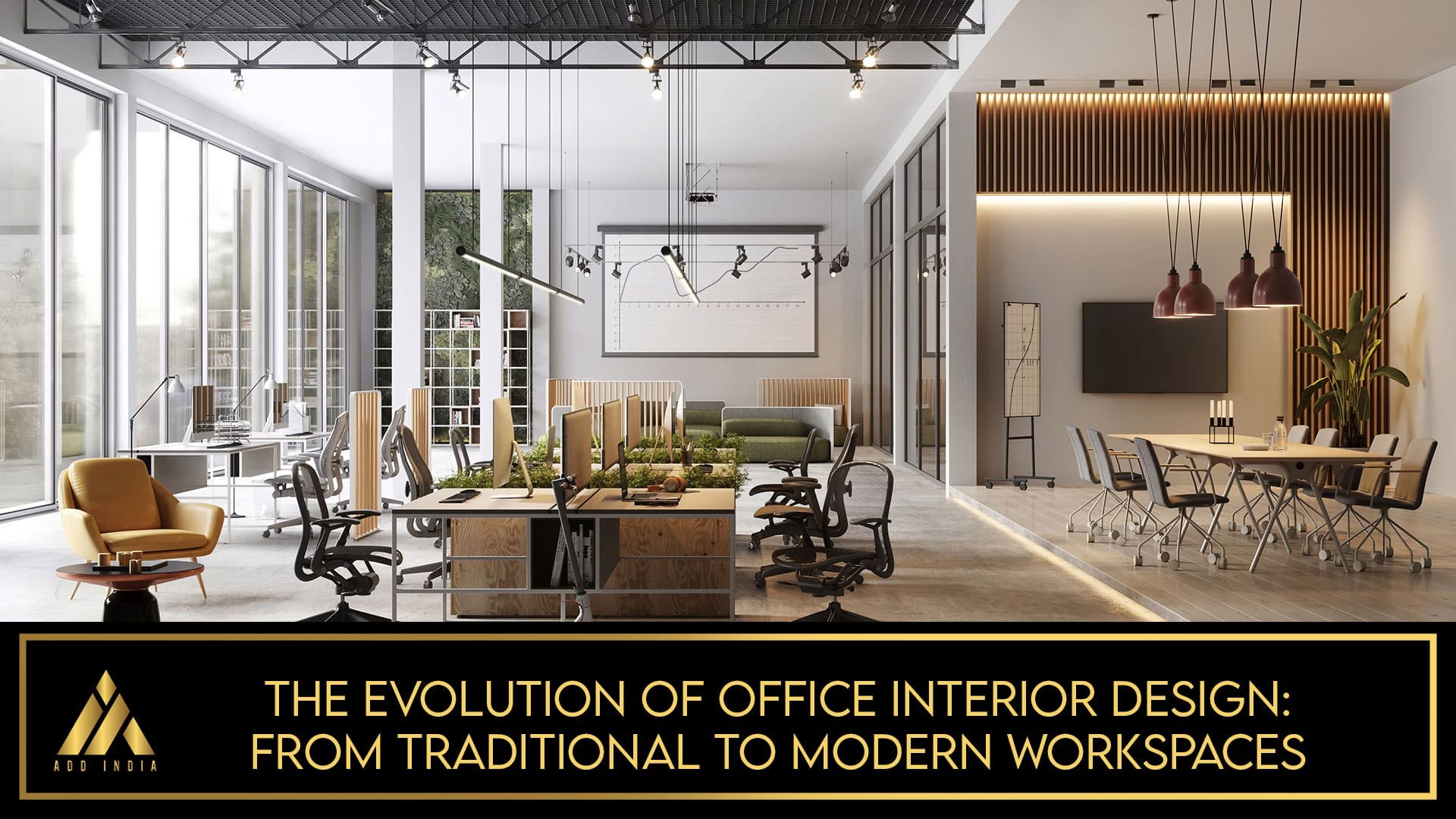
The modern office, once characterized by rows of cubicles and fixed desks, is undergoing a profound transformation, driven largely by the relentless march of technological innovation. This isn’t merely an aesthetic shift; it’s a fundamental reimagining of how we work, collaborate, and interact within our professional environments. Technology is no longer just a tool within the office; it has become an integral part of its very architecture, reshaping everything from physical layouts to the underlying operational philosophies.
One of the most significant impacts of technology has been the burgeoning concept of the “smart office.” These are spaces where interconnected devices and systems, often powered by the Internet of Things (IoT) and artificial intelligence (AI), seamlessly work together to optimize efficiency and enhance the user experience. Imagine an office where lighting and temperature adjust automatically based on occupancy and natural light levels, not only conserving energy but also creating a more comfortable and productive atmosphere for employees. This is precisely what smart HVAC and lighting systems, integrated with occupancy sensors, are achieving. They learn usage patterns, detect when areas are unoccupied, and make real-time adjustments, significantly reducing energy consumption and operational costs while contributing to a greener footprint.
Beyond environmental controls, smart office technology is revolutionizing space utilization. Traditional offices often struggled with underutilized meeting rooms or overcrowded collaborative zones. However, with the advent of smart sensors embedded in furniture, walls, and floors, businesses can now gain unprecedented insights into how their spaces are truly being used. This data-driven approach allows facilities managers to identify peak usage times, popular areas, and underutilized spaces, enabling them to make informed decisions about office layouts, resource allocation, and even future expansion plans. For example, if data reveals that a particular type of collaborative space is always booked, while individual focus pods remain empty, adjustments can be made to better align the physical environment with employee needs and working styles. This flexibility is critical in today’s dynamic business landscape, where agility and adaptability are paramount.
Furthermore, technology has dramatically enhanced communication and collaboration within the office and beyond its physical confines. The rise of cloud-based platforms and advanced video conferencing solutions has blurred the lines between in-person and remote work, giving birth to the pervasive hybrid work model. Modern meeting rooms are now equipped with high-definition cameras, sophisticated audio systems, and interactive digital whiteboards, creating an immersive experience that allows remote participants to feel as though they are truly present in the room. This seamless integration of virtual and physical interaction is vital for maintaining team cohesion and productivity in distributed workforces, enabling global collaboration and expanding talent pools beyond geographical limitations.
The automation of routine tasks is another area where technology is profoundly impacting the traditional office. Administrative burdens, such as room scheduling, visitor management, and even inventory control, are increasingly being handled by intelligent systems. AI-powered virtual assistants can help employees find available meeting rooms, book hot desks, and even manage their calendars with voice commands or simple text prompts. This frees up valuable employee time, allowing them to focus on more strategic, creative, and value-adding activities rather than getting bogged down in mundane, repetitive processes. The result is a workforce that is not only more efficient but also more engaged and less prone to burnout from administrative overhead.
Moreover, technology is contributing to a greater focus on employee well-being within the office environment. Smart office designs often incorporate features that promote health and comfort, such as ergonomic furniture with embedded sensors that encourage movement, air quality monitors that ensure optimal indoor environments, and personalized climate controls that allow individuals to adjust their immediate surroundings. Some even integrate wellness features like fitness trackers and access to virtual wellness programs. This holistic approach to workplace design, driven by technological capabilities, recognizes that a healthy and comfortable employee is a more productive and satisfied one.
However, the revolution is not without its considerations. The initial investment in smart office technology can be substantial, and careful planning is required to ensure a tangible return on investment. Furthermore, while technology offers immense benefits, a potential over-reliance on it necessitates robust cybersecurity measures and comprehensive contingency plans to mitigate the risks of system glitches or cyber-attacks. Finally, managing the human element is crucial; successful technological integration requires open communication with employees, addressing any concerns about job displacement, and providing adequate training to ensure everyone feels confident and capable in the evolving workspace.
In essence, technology is ushering in an era where the office is no longer a static place but a dynamic, intelligent ecosystem designed to optimize productivity, foster collaboration, enhance well-being, and adapt to the ever-changing demands of modern work. As we look ahead, the continued convergence of IoT, AI, and advanced connectivity will undoubtedly lead to even more sophisticated and intuitive workspaces, fundamentally redefining what it means to go to “the office” and enabling a future of work that is more flexible, efficient, and human-centric than ever before.