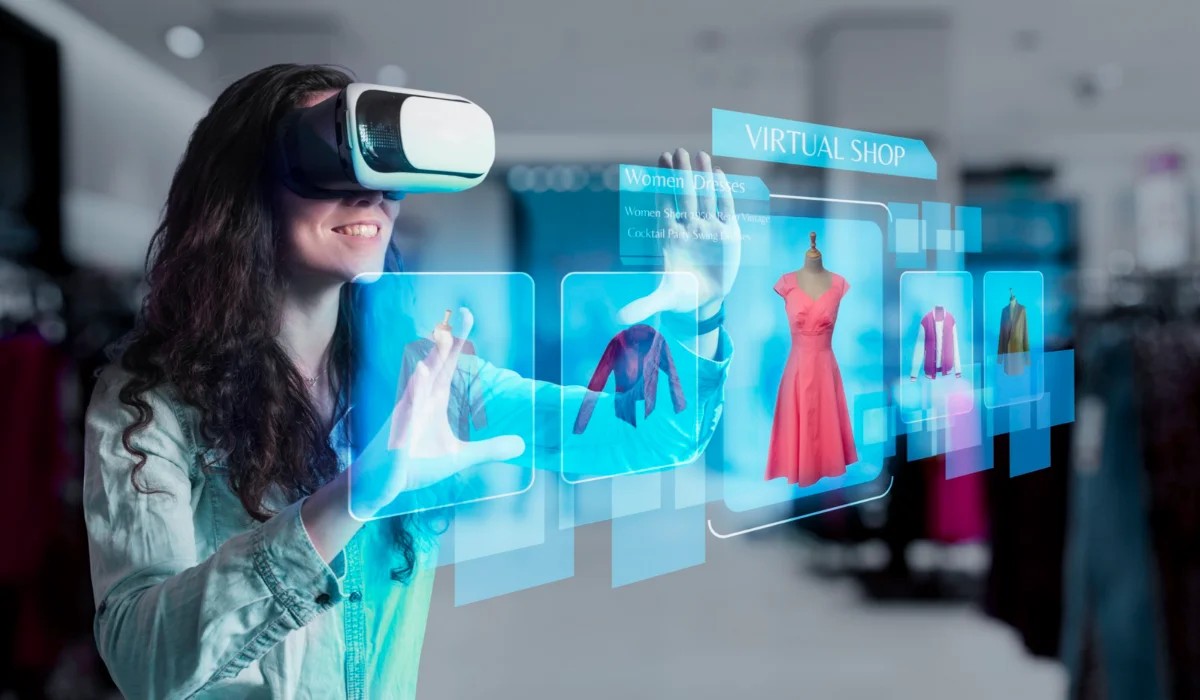
The retail landscape has always been a dynamic arena, constantly evolving to meet changing consumer demands and technological advancements. From the rise of department stores to the explosive growth of e-commerce, businesses have continually sought innovative ways to capture attention and drive sales. Today, one of the most compelling forces shaping the future of retail is Augmented Reality (AR). Far from a mere novelty, AR is proving to be a powerful tool that bridges the gap between the digital and physical worlds, offering immersive, personalized, and highly engaging experiences that fundamentally enhance the customer journey and provide significant competitive advantages for forward-thinking retailers.
At its core, Augmented Reality overlays digital information onto the real world, typically viewed through a smartphone, tablet, or specialized AR glasses. This capability allows retailers to create interactive experiences that address some of the most persistent pain points in both online and in-store shopping. For online retail, AR tackles the challenge of visualizing products in a real-world context. Customers can use AR apps to virtually “try on” clothes, place furniture in their living room, or even preview how a new appliance might look in their kitchen before making a purchase. This ability to visualize products in their own environment significantly reduces uncertainty, boosts buyer confidence, and, crucially, lowers return rates, which are a considerable cost for e-commerce businesses. For instance, companies like IKEA have famously leveraged AR to allow customers to place virtual furniture in their homes, while beauty brands like Sephora offer virtual try-ons for makeup, allowing customers to experiment with different shades and styles without ever stepping foot in a physical store.
In the physical retail space, AR is transforming the in-store experience from a passive Browse activity into an interactive adventure. Imagine walking into a clothing store and using your phone to scan an item, immediately pulling up information on available sizes, colors, customer reviews, and even styling suggestions. This eliminates the frustration of searching for staff or guessing about product details. Beyond information, AR can create captivating brand experiences. Fashion retailers can use AR mirrors to allow customers to virtually try on outfits without physically changing, offering a quick and hygienic way to explore numerous styles. Similarly, AR can guide customers through a store, highlight promotions, or offer gamified experiences that make shopping more entertaining and memorable. This elevated in-store engagement encourages customers to spend more time in the store and enhances their overall perception of the brand.
Personalization is another area where AR shines, offering retailers the ability to deliver bespoke experiences at scale. By integrating AR with customer data, brands can present highly relevant content and recommendations. For example, a customer Browse a store might receive AR overlays showing promotions specifically tailored to their past purchases or loyalty program status. In the beauty sector, AR-powered skin analysis apps can recommend personalized skincare routines and products based on an individual’s unique needs. This level of personalized interaction fosters deeper customer relationships and drives repeat business by making customers feel understood and valued.
Furthermore, AR is proving invaluable for training retail staff and improving operational efficiency. AR applications can provide employees with on-the-job training, offering real-time instructions for assembling displays, managing inventory, or troubleshooting equipment. In warehouses, AR can guide pickers directly to items, optimizing fulfillment processes. This technological assistance leads to more knowledgeable staff, reduced errors, and a more streamlined workflow, ultimately contributing to a better customer experience by ensuring products are available and staff are well-equipped to assist.
The strategic business implications of adopting AR in retail are substantial. Early adopters gain a significant competitive advantage by differentiating their brand and offering innovative experiences that attract and retain customers, particularly younger, tech-savvy demographics. The data gathered from AR interactions also provides invaluable insights into customer preferences and behaviors, allowing retailers to refine their product offerings, marketing strategies, and store layouts with greater precision. While there is an initial investment in developing AR applications and integrating them with existing systems, the long-term benefits in terms of increased sales, reduced returns, enhanced customer loyalty, and improved operational efficiency often outweigh the costs.
However, successful AR implementation requires careful consideration. Retailers must ensure the user experience is intuitive and seamless, avoiding clunky interfaces or technical glitches that frustrate customers. The AR content itself must be high-quality and accurately represent products. Moreover, integrating AR experiences into a holistic omni-channel strategy is crucial, ensuring a consistent and complementary experience across online, mobile, and physical touchpoints.
In conclusion, Augmented Reality is not just a fleeting trend; it is a transformative technology fundamentally reshaping the retail landscape. By offering unparalleled visualization capabilities, enhancing in-store engagement, enabling deep personalization, and improving operational efficiency, AR empowers retailers to create more compelling, convenient, and memorable shopping journeys. For businesses vying for customer attention in an increasingly crowded market, embracing AR is no longer an option but a strategic imperative, paving the way for the next generation of retail experiences where the digital and physical worlds converge to delight and empower the consumer.