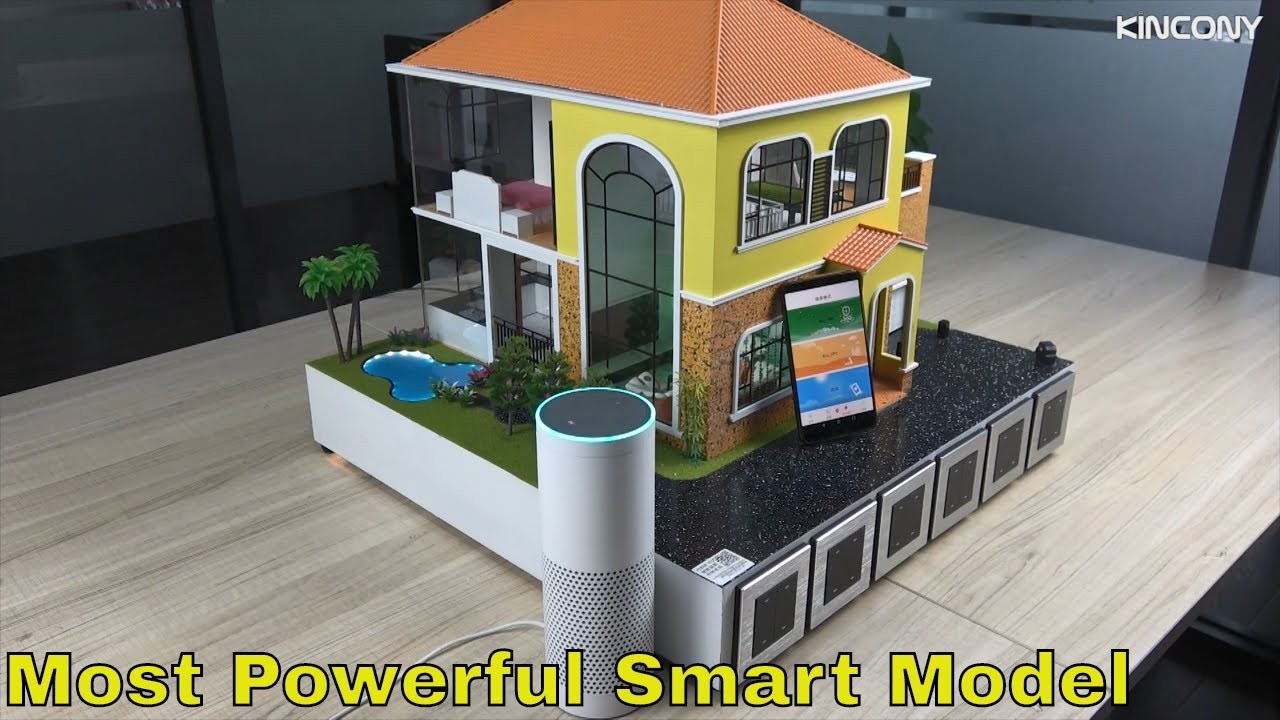
Building a smart home that actually works is less about filling your space with the latest gadgets and more about creating a seamless, intuitive environment that enhances daily life. The promise of smart technology is compelling—lights that adjust automatically, thermostats that learn your preferences, security systems that alert you in real time—but the reality often falls short when devices don’t communicate well, setups become overly complex, or features go unused. To make a smart home truly functional, it requires thoughtful planning, integration, and a clear understanding of how technology can serve your lifestyle rather than complicate it.
The foundation of a successful smart home begins with compatibility. With so many manufacturers and platforms in the market, it’s easy to end up with a fragmented system where devices operate in silos. A smart lock might work through one app, while your lighting system requires another, and your voice assistant doesn’t recognize either. This lack of cohesion can lead to frustration and inefficiency. Choosing a central ecosystem—whether it’s based on Apple HomeKit, Google Home, Amazon Alexa, or another hub—helps unify control and ensures that devices can communicate effectively. It’s not just about convenience; it’s about creating a network where automation flows naturally.
Functionality should always take precedence over novelty. It’s tempting to install every new smart device that hits the market, but without a clear use case, these additions can become clutter. A smart home that works well is one where each component serves a purpose. For example, motion-activated lighting in hallways can improve safety and reduce energy use. Smart thermostats can optimize comfort while lowering utility bills. Voice-controlled assistants can streamline tasks like setting reminders or playing music. When each device contributes meaningfully to your routine, the system feels less like a collection of gadgets and more like a cohesive experience.
User experience is another critical factor. A smart home should be intuitive, not intimidating. If guests can’t figure out how to turn on the lights or adjust the temperature, the system isn’t working as it should. Simplicity in interface design, clear instructions, and reliable performance are essential. Automation should enhance control, not replace it entirely. Giving users the ability to override settings, customize preferences, and receive feedback ensures that the technology remains accessible. The goal is to make the home feel smarter, not more complicated.
Security and privacy must be built into the design from the start. Smart homes collect data—about your habits, your schedule, and your environment. Ensuring that this data is protected is non-negotiable. Devices should offer robust encryption, secure authentication, and transparent data policies. Regular updates and patches are necessary to guard against vulnerabilities. Beyond technical safeguards, users should be educated about best practices, such as changing default passwords and managing permissions. A smart home that works well is not just functional—it’s safe.
Scalability is also important. A smart home should be able to grow with your needs. Starting with a few core devices and expanding over time allows for gradual learning and adaptation. It also helps avoid the pitfalls of overinvestment in systems that may become obsolete or incompatible. Modular setups, open standards, and flexible configurations support long-term viability. Whether you’re adding new rooms, upgrading devices, or integrating emerging technologies, a scalable approach ensures that your smart home remains relevant and responsive.
Real-world examples illustrate the difference between a smart home that works and one that doesn’t. Consider a household where the lighting, climate control, and security systems are all integrated through a single app. The lights dim automatically in the evening, the thermostat adjusts based on occupancy, and the security cameras send alerts only when unusual activity is detected. The system is unobtrusive, efficient, and tailored to the family’s routine. Contrast that with a home where each device operates independently, requiring multiple apps, frequent troubleshooting, and inconsistent performance. The technology may be impressive, but the experience is fragmented.
Support and maintenance are often overlooked but essential components of a functional smart home. Devices need to be updated, networks need to be monitored, and occasional issues will arise. Having access to responsive customer service, clear documentation, and community forums can make a significant difference. A smart home is not a set-it-and-forget-it proposition—it’s a living system that benefits from ongoing attention and care. When support is readily available, users feel more confident and engaged.
Ultimately, building a smart home that actually works is about aligning technology with human needs. It’s about creating spaces that respond, adapt, and support the way people live. When done right, smart homes offer more than convenience—they offer empowerment. They allow users to take control of their environment, improve efficiency, and enhance quality of life. The key is to approach the process with intention, focusing on integration, usability, and purpose. In doing so, the smart home becomes not just a showcase of innovation, but a meaningful part of everyday living.