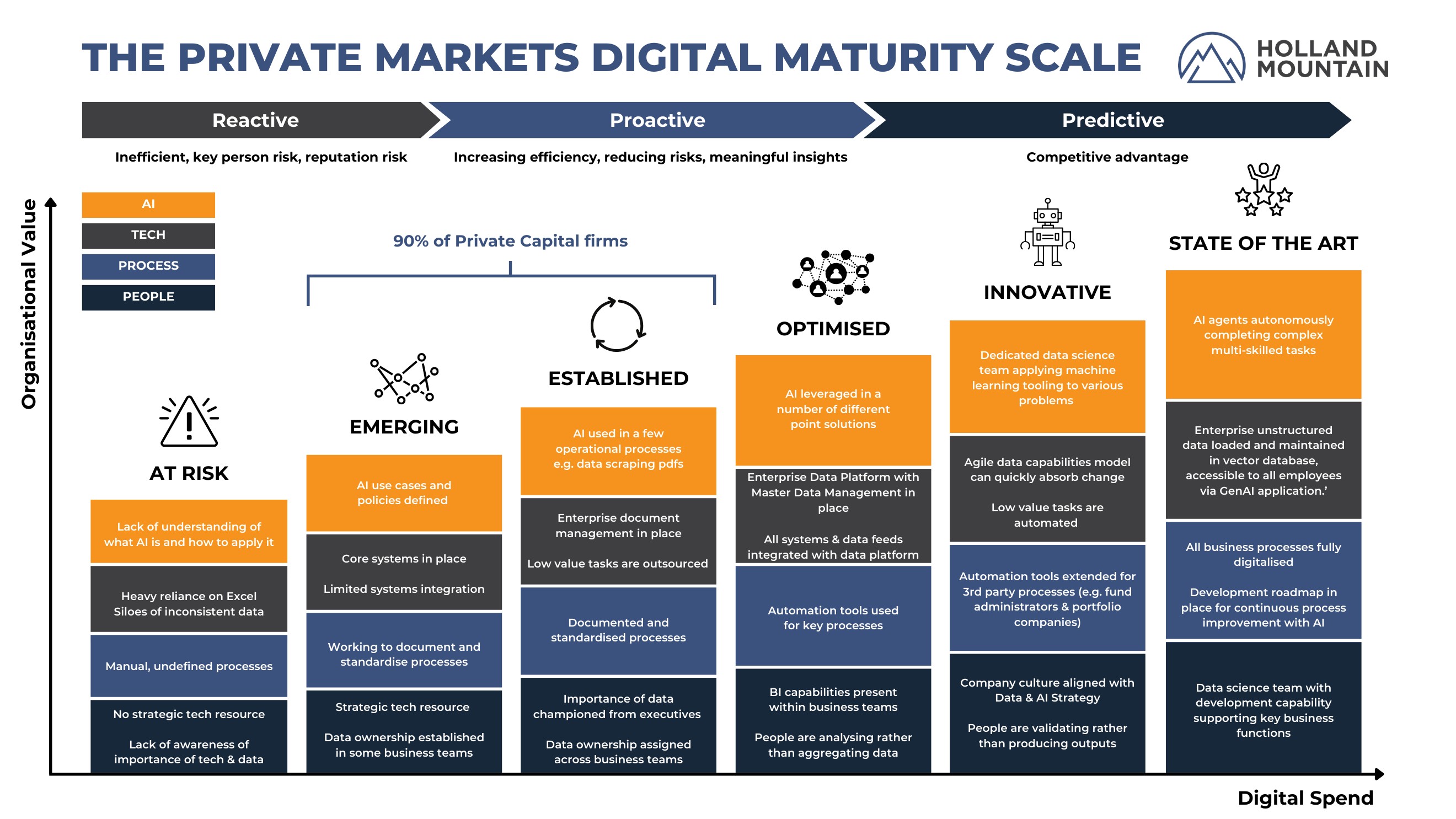
Digital maturity is often described as the stage at which organizations fully integrate technology into their operations, culture, and strategy. It is not simply about adopting the latest tools but about using them wisely, responsibly, and sustainably. Insurance, though traditionally associated with financial protection, has become a key driver in shaping how businesses achieve digital maturity. By embedding accountability, resilience, and foresight into digital practices, insurance helps organizations move beyond experimentation toward a more stable and confident embrace of technology.
At its foundation, digital maturity requires a balance between innovation and risk management. Companies eager to adopt new technologies often face uncertainty about potential vulnerabilities, from cybersecurity threats to regulatory compliance. Insurance provides a framework for managing these risks, allowing organizations to innovate without fear of catastrophic setbacks. This safety net encourages thoughtful adoption of digital tools, ensuring that progress is measured and sustainable rather than reckless.
Insurance also plays a role in reinforcing accountability, which is central to digital maturity. Mature organizations understand that technology must be deployed responsibly, with clear consideration of its impact on customers, employees, and society. Insurance policies often require compliance with standards and best practices, pushing companies to adopt stronger governance structures. This accountability ensures that digital maturity is not just about technical capability but also about ethical responsibility and trustworthiness.
Trust is a cornerstone of maturity, and insurance helps cultivate it. Customers and partners are more likely to engage with organizations that demonstrate preparedness for digital risks. Insurance provides reassurance that if something goes wrong, there are mechanisms in place to address harm and restore confidence. This assurance strengthens relationships and builds credibility, both of which are essential for organizations seeking to mature in their digital journey.
Resilience is another dimension where insurance supports digital maturity. Mature organizations recognize that disruptions are inevitable, whether from cyberattacks, system failures, or unforeseen crises. The ability to recover quickly and effectively is a defining characteristic of maturity. Insurance provides the financial resources and specialized support needed to respond to these challenges, ensuring that setbacks do not derail long-term progress. Resilience allows organizations to continue building and innovating even in the face of adversity.
Insurance also contributes to inclusivity, which is an important aspect of maturity in digital ecosystems. Smaller businesses and startups often face the same risks as larger corporations but lack the resources to manage them. Insurance democratizes access to protection, allowing diverse participants to engage with digital systems confidently. This inclusivity ensures that digital maturity is not limited to powerful actors but extends across industries and communities, enriching the ecosystem with varied perspectives and contributions.
The global nature of technology adds complexity to maturity, and insurance helps manage this challenge. Digital platforms often operate across borders, subject to diverse regulations and exposed to international risks. Insurance provides frameworks for navigating these complexities, offering coverage that accounts for cross-border incidents and compliance requirements. This ability to manage global exposure strengthens maturity by ensuring that protections are upheld consistently, regardless of geography.
Leadership within organizations is also shaped by insurance in the pursuit of digital maturity. Executives and decision-makers are more likely to prioritize resilience, accountability, and foresight when they know insurers are evaluating their practices. Coverage requires evidence of compliance and preparation, encouraging leaders to embed maturity into their strategies. Insurance, in this way, becomes a partner in governance, guiding leaders toward decisions that balance innovation with responsibility.
Insurance further supports maturity by enabling experimentation. New ideas often carry uncertainty, and without protection, organizations may hesitate to pursue them. Insurance provides the confidence needed to explore untested technologies, ensuring that failures do not undermine trust or stability. This balance between creativity and accountability fosters innovation while sustaining the resilience of digital systems. By enabling responsible experimentation, insurance ensures that progress contributes to maturity rather than disruption.
The cultural dimension of insurance in digital maturity should not be overlooked. Insurance signals to employees, customers, and society that risks are acknowledged and managed. This cultural reinforcement encourages individuals to trust digital systems and engage with them more fully. Maturity, in this sense, is not only about systems and policies but also about the confidence people have in the digital world. Insurance helps cultivate that confidence, reinforcing the social fabric of digital life.
Long-term sustainability is another area where insurance supports maturity. Technology evolves rapidly, and risks change with it. Insurance encourages foresight by requiring regular assessments, updates, and compliance with evolving standards. This forward-looking perspective ensures that maturity is not static but adapts to new challenges. Companies that embrace insurance as part of their risk management strategy demonstrate that they are committed to maturity not only today but also in the future.
The moral dimension of insurance in digital maturity is equally important. Maturity is not just about protecting organizations; it is about safeguarding individuals and communities. Insurance reinforces ethical responsibility by embedding principles of fairness, transparency, and resilience into its frameworks. By compensating victims, incentivizing responsible practices, and supporting recovery, insurance ensures that maturity serves the broader good rather than narrow interests.
Ultimately, insurance shapes digital maturity by embedding responsibility, transparency, and resilience into the fabric of digital systems. It ensures that organizations cannot ignore risks without consequences, while providing the resources needed to uphold protections in times of uncertainty. Insurance transforms maturity from an abstract ideal into a practical framework, guiding how businesses operate and how societies engage with technology.
In the end, digital maturity is about more than adopting technology; it is about trust, fairness, and responsibility in a world increasingly defined by digital systems. Insurance plays a vital role in protecting these values, ensuring that they are not compromised by risk or negligence. By providing stability, accountability, and inclusivity, insurance becomes a quiet but powerful force in shaping the future of digital maturity. It ensures that as societies embrace innovation, they do so with confidence, resilience, and a commitment to the principles that define responsible progress in the digital age.