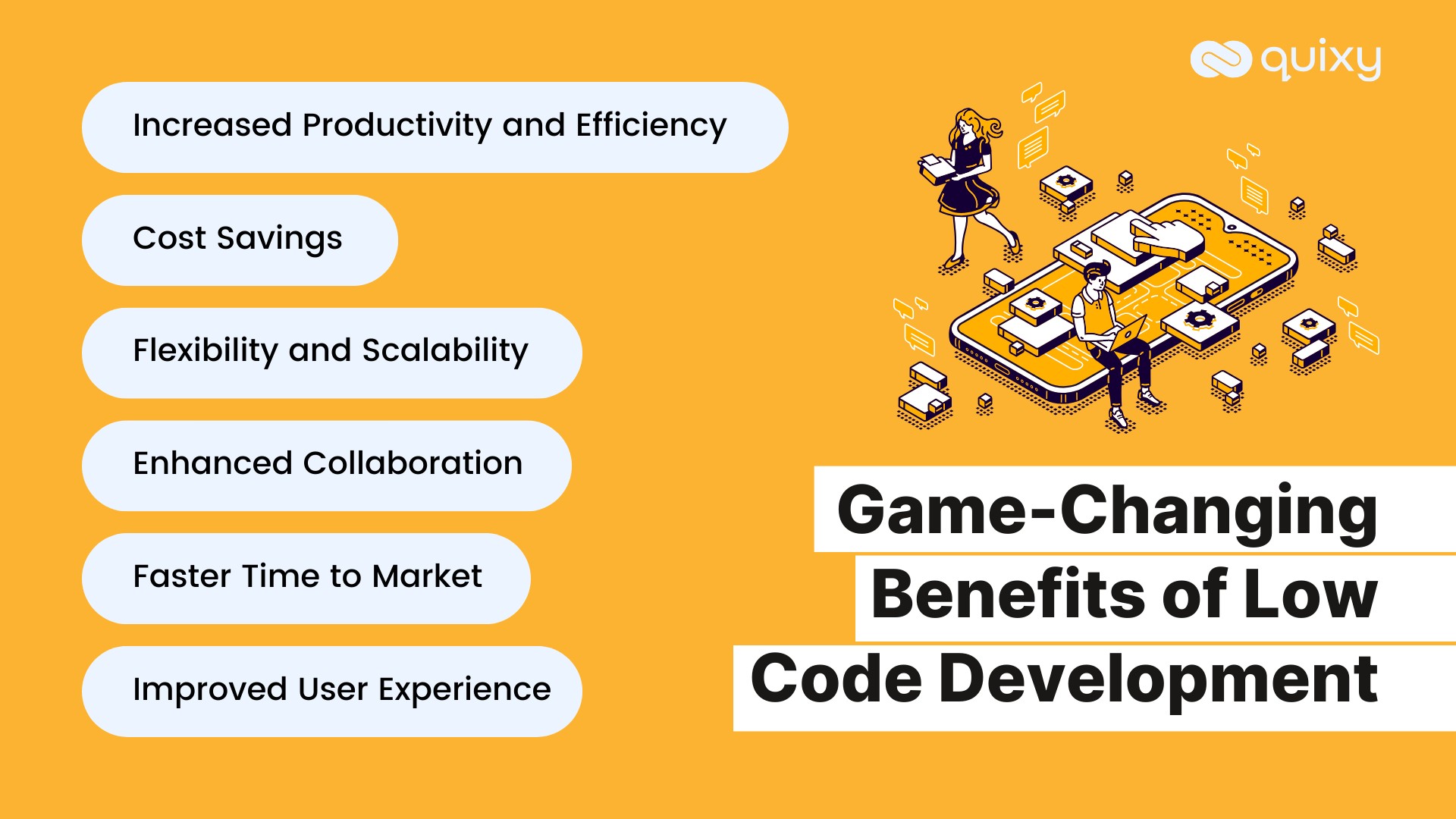
Low-code development has emerged as one of the most transformative trends in modern business technology. It represents a shift in how organizations build applications, moving away from the traditional reliance on specialized developers and toward empowering business users themselves. By offering intuitive interfaces, drag-and-drop functionality, and prebuilt components, low-code platforms make it possible for employees without deep programming expertise to design and deploy solutions that address their specific needs. This democratization of development is reshaping the way companies innovate and respond to challenges.
The power of low-code lies in its ability to bridge the gap between business requirements and technical execution. In many organizations, business users are closest to the problems that need solving. They understand the workflows, the pain points, and the opportunities for improvement. Yet historically, they have had to rely on IT teams to translate these insights into applications, often leading to delays and miscommunication. Low-code platforms eliminate much of this friction by allowing business users to take direct action, creating applications that reflect their firsthand knowledge while still adhering to organizational standards.
Speed is one of the most compelling advantages of low-code development. Traditional software projects can take months or even years to complete, requiring extensive coding, testing, and deployment cycles. Low-code platforms streamline this process, enabling rapid prototyping and faster iteration. Business users can build functional applications in days or weeks, test them in real-world scenarios, and refine them based on feedback. This agility allows organizations to respond quickly to market changes, regulatory requirements, or internal demands, turning ideas into solutions with unprecedented efficiency.
Another dimension of power comes from accessibility. Low-code platforms are designed to be user-friendly, with visual interfaces that reduce the complexity of coding. This accessibility opens the door for employees across departments to contribute to digital transformation efforts. Finance teams can create tools to automate reporting, HR departments can design applications to manage onboarding, and operations staff can streamline supply chain processes—all without waiting for IT resources. By expanding participation, low-code development fosters a culture of innovation that permeates the entire organization.
Collaboration between business users and IT professionals is also enhanced through low-code. While business users can take the lead in building applications, IT teams still play a critical role in governance, integration, and security. Low-code platforms provide a common ground where both groups can work together more effectively. Business users focus on functionality and usability, while IT ensures scalability, compliance, and technical robustness. This partnership strengthens outcomes, producing applications that are both practical and reliable.
Cost efficiency is another significant benefit. Traditional development often requires substantial investment in specialized talent, long project timelines, and ongoing maintenance. Low-code reduces these costs by minimizing the need for extensive coding and accelerating delivery. Organizations can achieve more with fewer resources, freeing up budgets for other strategic initiatives. For smaller businesses, low-code provides access to capabilities that might otherwise be out of reach, leveling the playing field in competitive markets.
Low-code development also supports continuous improvement. Because applications can be built and modified quickly, organizations are not locked into rigid solutions. Business users can adapt applications as needs evolve, adding new features or adjusting workflows without starting from scratch. This flexibility ensures that technology remains aligned with business objectives, even as those objectives change. Continuous improvement becomes part of the organizational DNA, supported by tools that make adaptation simple and efficient.
The scalability of low-code platforms further enhances their value. What begins as a small departmental solution can grow into an enterprise-wide application. Platforms are designed to handle increasing complexity, integrating with existing systems and supporting larger user bases. This scalability ensures that low-code solutions remain relevant as organizations expand, providing a pathway from grassroots innovation to strategic transformation.
Security and compliance are often raised as concerns when business users take on development responsibilities. Modern low-code platforms address these issues by embedding governance frameworks, access controls, and compliance features directly into the development environment. IT teams can oversee applications, enforce policies, and ensure that solutions meet regulatory standards. This balance between empowerment and oversight allows organizations to innovate confidently without compromising security.
The impact of low-code development extends beyond technology into organizational culture. Empowering business users to create solutions fosters a sense of ownership and engagement. Employees feel more connected to the tools they use, knowing they had a hand in shaping them. This empowerment boosts morale and encourages creativity, reinforcing a culture where innovation is valued and supported. The ripple effect can be profound, influencing not just how applications are built but how employees view their role in driving change.
Low-code also plays a role in addressing the talent gap in technology. Skilled developers are in high demand, and many organizations struggle to recruit and retain them. By enabling business users to take on some development tasks, low-code reduces the burden on IT teams and allows developers to focus on more complex projects. This distribution of responsibilities helps organizations make better use of their talent, ensuring that critical resources are applied where they are most needed.
Looking ahead, the future of low-code development for business users is bright. As platforms continue to evolve, they will offer even more advanced capabilities, from AI-driven automation to seamless integration with emerging technologies. Business users will gain access to tools that not only simplify development but also enhance decision-making and innovation. Organizations that embrace low-code will be better positioned to adapt to change, harness creativity, and maintain a competitive edge in dynamic markets.
Ultimately, the power of low-code development lies in its ability to transform business users from passive consumers of technology into active creators. It empowers employees to solve problems, drive efficiency, and contribute directly to digital transformation. By combining accessibility, speed, collaboration, and scalability, low-code platforms unlock potential that was previously untapped. For organizations seeking to thrive in an era of constant change, embracing low-code is not just a technological choice—it is a strategic imperative that redefines the role of business users in shaping the future.