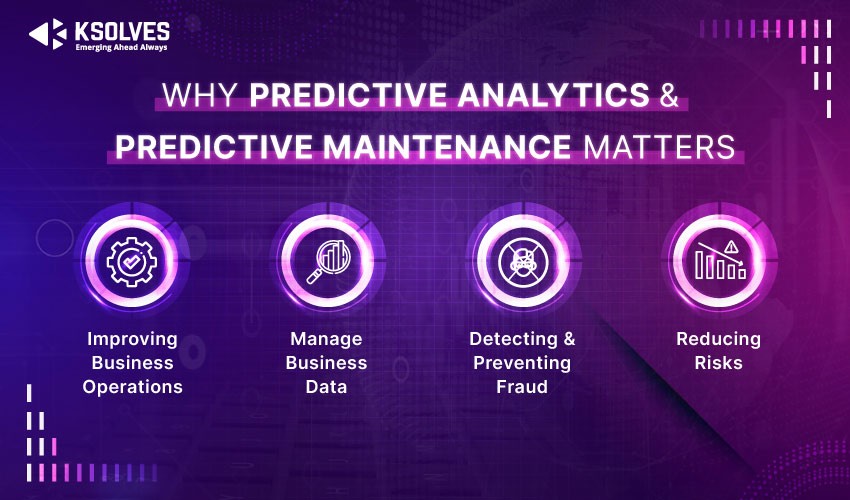
Predictive analytics has become a cornerstone of modern IT operations, reshaping how organizations manage infrastructure, anticipate challenges, and deliver reliable services. At its essence, predictive analytics leverages historical data, statistical models, and machine learning techniques to forecast future outcomes. In IT, this means moving beyond reactive problem-solving toward proactive strategies that prevent issues before they disrupt business. The result is a more resilient, efficient, and forward-looking approach to managing technology environments.
One of the most significant roles predictive analytics plays in IT operations is in system performance management. Traditional monitoring tools can alert teams when thresholds are breached, but predictive analytics goes further by identifying patterns that signal potential problems ahead of time. For instance, analyzing CPU usage trends or memory consumption can reveal when a server is likely to reach capacity. By anticipating these scenarios, IT teams can take corrective action before users experience slowdowns or outages, ensuring smoother operations and better customer experiences.
Predictive analytics also enhances incident management. In many organizations, downtime is costly, both financially and reputationally. By analyzing logs, error rates, and historical incidents, predictive models can highlight vulnerabilities that are likely to cause failures. This foresight allows IT teams to prioritize preventive maintenance, patch systems proactively, and allocate resources more effectively. Instead of scrambling to fix issues after they occur, predictive analytics enables a shift toward minimizing disruptions altogether.
Capacity planning is another area where predictive analytics proves invaluable. IT environments are dynamic, with workloads fluctuating based on business cycles, user demand, and external factors. Predictive models can forecast future resource needs by analyzing usage patterns and growth trends. This helps organizations avoid both under-provisioning, which leads to performance bottlenecks, and over-provisioning, which wastes resources and inflates costs. Accurate capacity planning ensures that infrastructure scales efficiently, supporting business growth without unnecessary expense.
Security operations benefit significantly from predictive analytics as well. Cyber threats are constantly evolving, and traditional defenses often rely on detecting known signatures or responding to active attacks. Predictive analytics introduces a proactive layer by identifying anomalies and behaviors that suggest potential breaches before they occur. For example, unusual login patterns or irregular data transfers can be flagged as early indicators of malicious activity. By predicting likely attack vectors, IT teams can strengthen defenses and reduce the risk of successful intrusions.
In addition to security, predictive analytics plays a critical role in optimizing IT support functions. Help desks and support teams often face surges in ticket volumes, which can strain resources and delay resolutions. By analyzing historical ticket data, predictive models can forecast when spikes are likely to occur, allowing managers to staff appropriately and prepare solutions in advance. This not only improves response times but also enhances user satisfaction by ensuring that support is available when it is most needed.
The integration of predictive analytics into IT operations also supports cost optimization. IT budgets are under constant pressure, and inefficiencies can quickly add up. Predictive models help organizations identify areas where resources are being underutilized or where maintenance costs are likely to rise. By anticipating these trends, businesses can make informed decisions about consolidating workloads, retiring outdated systems, or investing in more efficient technologies. This proactive approach ensures that IT spending aligns closely with business priorities.
Another important aspect is the role predictive analytics plays in cloud environments. As organizations increasingly adopt hybrid and multi-cloud strategies, managing costs and performance across diverse platforms becomes complex. Predictive analytics can forecast usage trends, optimize workload distribution, and anticipate billing fluctuations. This allows businesses to maximize the value of their cloud investments while avoiding unexpected expenses. In a landscape where agility is critical, predictive insights provide the clarity needed to manage cloud resources effectively.
Predictive analytics also contributes to improved service-level management. Meeting service-level agreements requires consistent performance and availability, and predictive models help ensure these commitments are met. By forecasting potential risks to uptime or performance, IT teams can take preventive measures that keep services within agreed parameters. This strengthens relationships with customers and partners, reinforcing trust in the organization’s ability to deliver reliable technology solutions.
The cultural impact of predictive analytics in IT operations should not be overlooked. Moving from reactive to predictive approaches requires a shift in mindset, encouraging teams to embrace data-driven decision-making. This fosters collaboration between IT and business units, as predictive insights often highlight trends that affect broader organizational strategies. For example, anticipating seasonal demand surges can inform both IT resource allocation and marketing campaigns. Predictive analytics thus becomes a bridge between technical operations and business objectives.
Of course, the journey to predictive analytics is not without challenges. Implementing these models requires high-quality data, robust infrastructure, and skilled professionals who can interpret results effectively. Organizations must invest in building data pipelines, ensuring accuracy, and training staff to leverage predictive tools. Yet the payoff is substantial, as the ability to anticipate and prevent problems delivers long-term value that far outweighs the initial investment.
Looking ahead, the role of predictive analytics in IT operations will only grow as technologies evolve. Advances in artificial intelligence, machine learning, and automation will make predictive models more accurate and accessible. IT teams will increasingly rely on these tools to manage complex environments, from edge computing to IoT ecosystems. The future of IT operations is one where predictive insights drive decisions at every level, creating systems that are not only reactive but truly intelligent.
Ultimately, predictive analytics transforms IT operations from a reactive function into a strategic enabler of business success. By anticipating challenges, optimizing resources, and strengthening security, it empowers organizations to operate with greater confidence and efficiency. The ability to predict and prevent issues before they occur is no longer a luxury; it is a necessity in a digital world where downtime, inefficiency, and breaches can have far-reaching consequences. For organizations that embrace predictive analytics, IT becomes not just a support function but a driver of resilience and innovation.