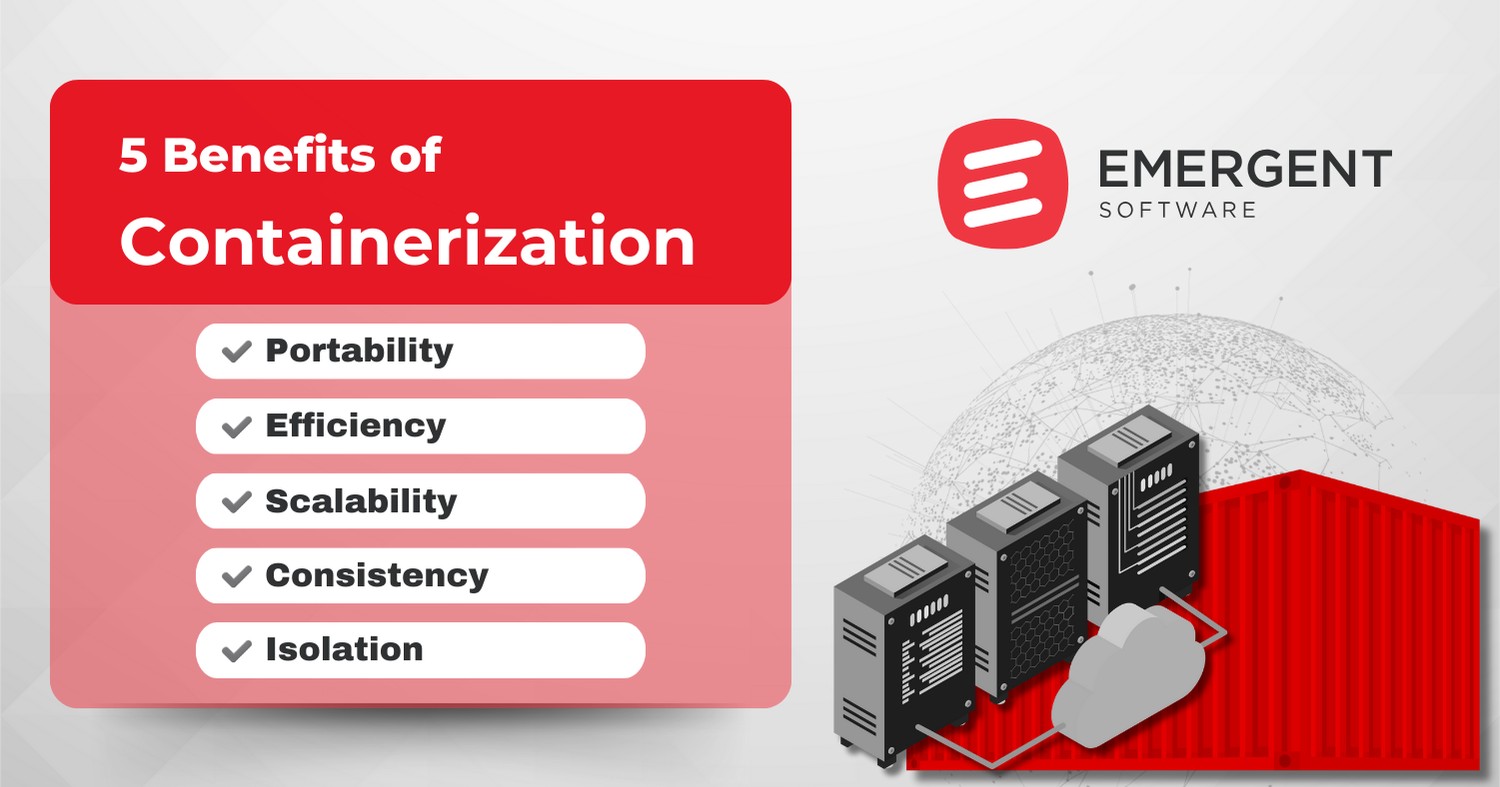
Containerization has become a cornerstone of modern software development, offering developers a powerful way to build, deploy, and manage applications with greater efficiency and consistency. At its core, containerization involves packaging an application along with its dependencies, libraries, and configuration files into a single, lightweight unit called a container. This approach allows developers to run applications reliably across different computing environments, eliminating many of the challenges traditionally associated with deployment and scalability.
One of the most immediate benefits of containerization is the consistency it brings to development workflows. Developers often face the frustrating issue of code working perfectly on one machine but failing on another due to differences in operating systems, configurations, or installed libraries. Containers solve this problem by encapsulating everything the application needs to run, ensuring that it behaves the same way regardless of where it’s deployed. This consistency streamlines collaboration between development and operations teams, reducing the time spent troubleshooting environment-specific issues and accelerating the overall development cycle.
Portability is another key advantage that containerization offers. Because containers are self-contained and platform-agnostic, they can be easily moved between environments—from a developer’s laptop to a testing server, and ultimately to production in the cloud. This flexibility is particularly valuable in today’s hybrid and multi-cloud architectures, where applications need to run seamlessly across diverse infrastructure. A developer building a microservice-based application, for example, can deploy individual services in containers and orchestrate them using tools like Kubernetes, enabling scalable and resilient systems that adapt to changing demands.
Efficiency is also a hallmark of containerized development. Unlike virtual machines, which require a full operating system and consume significant resources, containers share the host system’s kernel and are much more lightweight. This means developers can run multiple containers on a single machine without the overhead typically associated with virtualization. Faster startup times and reduced resource consumption translate into quicker testing, more responsive development environments, and lower infrastructure costs. For startups and enterprises alike, this efficiency supports rapid iteration and experimentation, which are essential for innovation.
Containerization also enhances security and isolation. Each container operates in its own isolated environment, which helps prevent conflicts and limits the impact of potential vulnerabilities. If one container is compromised, it doesn’t necessarily affect others or the host system. Developers can define strict access controls and use container-specific security tools to monitor and protect their applications. This isolation is particularly useful when running third-party services or experimenting with new code, as it minimizes risk and supports a more secure development process.
Version control and reproducibility are further strengthened through containerization. Developers can define the exact environment needed for their application using configuration files like Dockerfiles, which specify the base image, dependencies, and commands to run. These files can be stored in version control systems alongside the application code, making it easy to track changes, roll back to previous versions, and ensure that builds are reproducible. This level of control is invaluable in complex projects where multiple teams contribute to the same codebase and where maintaining consistency across environments is critical.
The rise of DevOps and continuous integration/continuous deployment (CI/CD) pipelines has further amplified the benefits of containerization. Containers integrate seamlessly with automation tools, enabling developers to build, test, and deploy applications with minimal manual intervention. A developer can push code changes to a repository, trigger automated builds in containers, run tests, and deploy to staging or production—all within minutes. This automation not only speeds up delivery but also reduces errors and improves reliability. It empowers teams to focus on innovation rather than repetitive tasks, fostering a culture of agility and responsiveness.
Collaboration across teams is also enhanced by containerization. Developers, testers, and operations professionals can work with the same container images, ensuring that everyone is on the same page. This shared context reduces misunderstandings and accelerates problem-solving. For example, if a bug is reported in production, developers can replicate the issue using the same container image, diagnose the problem, and deploy a fix with confidence. This alignment supports smoother workflows and strengthens the overall quality of the software.
Ultimately, containerization is more than a technical solution—it’s a strategic enabler for modern development practices. It empowers developers to build applications that are portable, scalable, and resilient, while simplifying deployment and reducing operational overhead. As businesses continue to embrace cloud-native architectures and microservices, containerization will remain a vital tool in the developer’s toolkit. By adopting containers thoughtfully and integrating them into broader development workflows, teams can unlock new levels of efficiency, collaboration, and innovation. In a fast-paced digital landscape, the ability to deliver reliable software quickly and consistently is a competitive advantage—and containerization makes that possible.