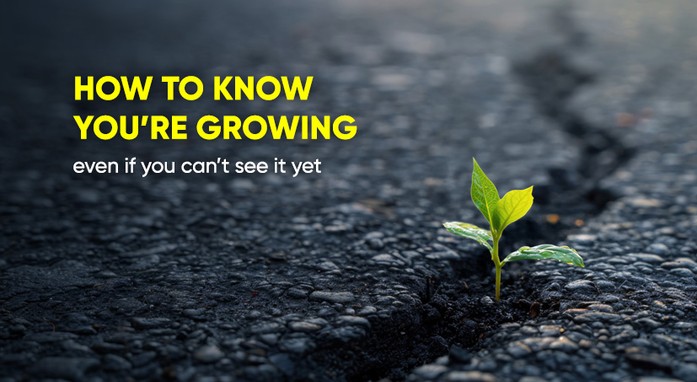
Growth, especially the kind that truly matters, rarely announces itself with fanfare. It doesn’t always show up in metrics, dashboards, or quarterly reports. More often, it begins quietly—in the background, beneath the surface, in places that are easy to overlook. This is the paradox of progress: the most meaningful growth is often invisible at first. It’s the slow accumulation of insight, the subtle shift in mindset, the quiet strengthening of relationships. And because it doesn’t look dramatic, it’s easy to underestimate or dismiss. But ignoring this early, invisible phase means missing the foundation on which everything else is built.
In business, we’re conditioned to look for visible signs of success. Revenue spikes, user growth, media coverage—these are the markers we celebrate. But before those outcomes materialize, there’s a period of gestation. Teams are learning, iterating, and refining. Customers are exploring, testing, and deciding. Culture is forming, trust is being earned, and systems are being shaped. These processes don’t produce immediate results, but they’re essential. They create the conditions for sustainable growth. Without them, what looks like momentum can quickly collapse under pressure.
Consider the early stages of a startup. From the outside, it may seem like nothing is happening. The product is still in development, the team is small, and traction is minimal. But internally, there’s a flurry of activity—conversations, experiments, failures, and insights. Founders are building relationships, understanding their market, and shaping their vision. These efforts don’t show up on a graph, but they’re the groundwork for everything that follows. When growth finally becomes visible, it’s often the result of months or years of invisible effort.
Invisible growth also shows up in people. A team member who’s quietly developing new skills, deepening their understanding, or building confidence may not stand out immediately. But over time, that growth becomes transformative. They start contributing in new ways, leading initiatives, and elevating others. The same is true for leaders. The most impactful leadership growth often happens internally—through reflection, feedback, and emotional intelligence. It’s not about louder speeches or bigger decisions. It’s about becoming more grounded, more aware, and more intentional.
Customer relationships follow a similar pattern. Loyalty isn’t built overnight. It grows through consistent, thoughtful interactions. A customer who returns again and again may not be vocal, but their quiet commitment is a powerful signal. Businesses that focus only on visible engagement—likes, shares, or reviews—may miss the deeper connections forming behind the scenes. These connections are often more durable and more valuable. They’re built on trust, not just attention.
Invisible growth is also present in culture. A healthy culture doesn’t emerge from slogans or perks. It grows through everyday behavior—how meetings are run, how feedback is given, how people treat each other. These moments are small, but they accumulate. Over time, they shape how people feel, how they work, and how they show up. A culture that feels alive and aligned is often the result of years of invisible choices. It’s not created by accident—it’s cultivated with care.
The challenge is that invisible growth requires patience. It asks us to trust the process, even when the results aren’t immediate. This can be difficult in environments that prioritize speed and visibility. But the businesses that endure are often those that invest in what can’t be seen right away. They build strong foundations, nurture relationships, and stay committed to their values. They understand that growth is not just about acceleration—it’s about depth.
Recognizing invisible growth also changes how we measure progress. It encourages us to look beyond surface metrics and ask deeper questions. Are we learning? Are we building trust? Are we becoming more resilient? These questions don’t always have easy answers, but they point to the kind of growth that lasts. They help us see the value in what’s unfolding, even if it’s not yet visible.
Ultimately, most growth is invisible at first because it’s rooted in transformation, not just expansion. It’s about becoming, not just achieving. And that kind of growth takes time. It’s quiet, deliberate, and often messy. But it’s also powerful. Because when it finally becomes visible, it’s not a flash—it’s a foundation. It’s the result of work that was thoughtful, human, and real. And that’s the kind of growth that doesn’t just impress—it endures.