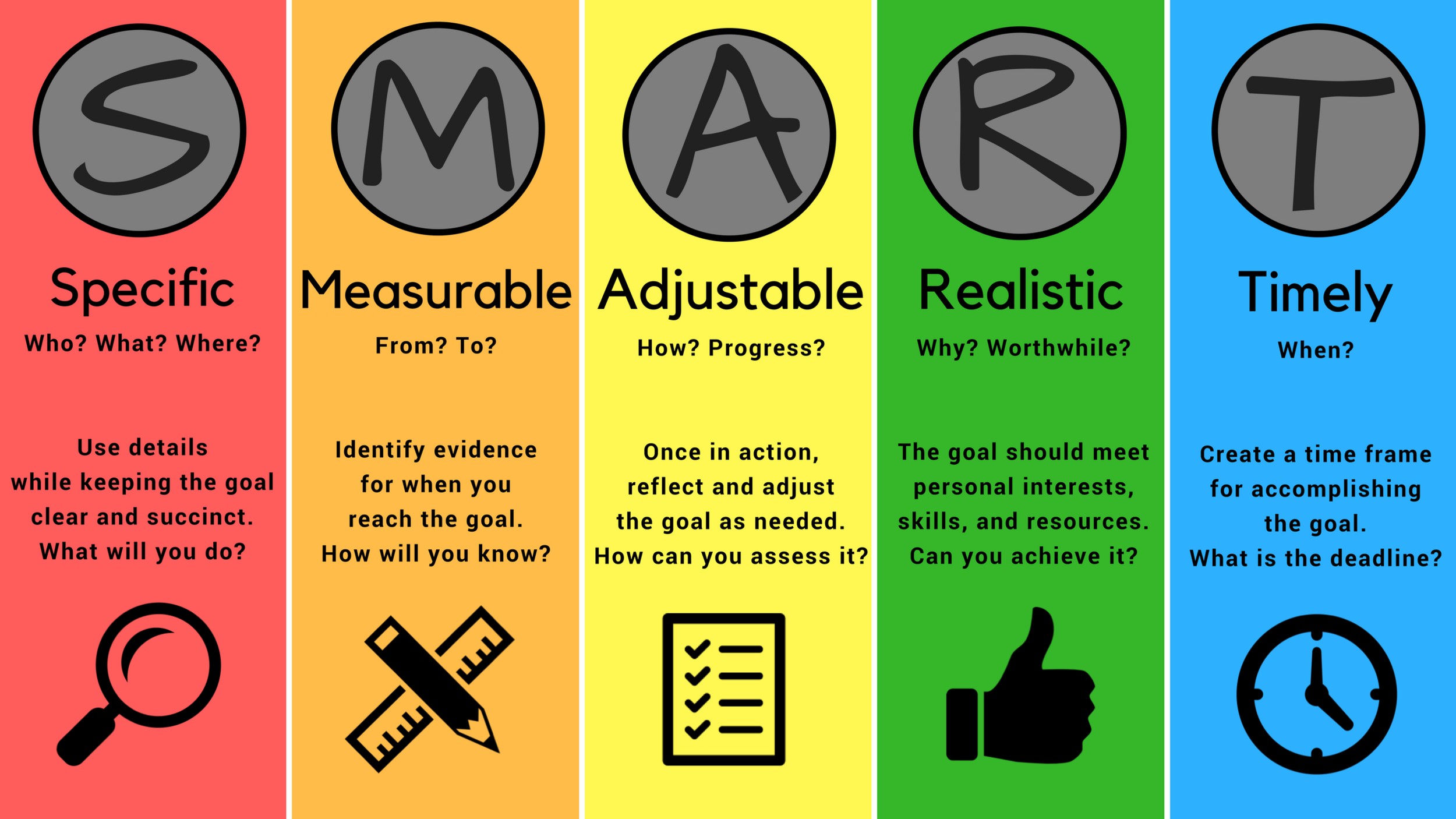
Setting monthly wellness goals is a strategic way to bring intentionality into your personal health journey without overwhelming yourself with unrealistic expectations. Much like quarterly planning in business, monthly goals offer a manageable timeframe to experiment, assess, and refine. They allow for flexibility while still providing structure, which is essential when trying to build sustainable habits. The key is to approach wellness as a dynamic process—one that evolves with your needs, environment, and priorities—rather than a rigid checklist of behaviors.
The first step in crafting meaningful monthly goals is to define what wellness means to you. For some, it might center around physical fitness or nutrition. For others, it could be more about emotional balance, sleep quality, or stress management. There’s no universal formula, and that’s precisely the point. Wellness is personal, and your goals should reflect your current context. For example, if you’re entering a particularly demanding work period, a goal focused on restorative practices like sleep hygiene or breathwork might be more impactful than one centered on high-intensity workouts. This kind of alignment ensures that your goals are not only achievable but also relevant.
Once you’ve identified your focus areas, it’s helpful to translate them into specific, measurable intentions. Vague aspirations like “eat healthier” or “exercise more” tend to lose momentum quickly. Instead, framing goals in terms of frequency, duration, or outcome creates clarity. For instance, committing to preparing three home-cooked meals per week or walking for twenty minutes five times a week gives you a tangible benchmark. These metrics aren’t about perfection—they’re about consistency. In business, KPIs guide performance. In wellness, these small metrics guide behavior and provide feedback loops that help you stay engaged.
It’s also important to consider the emotional tone of your goals. Goals that feel punitive or overly ambitious can trigger resistance and guilt, especially when life gets unpredictable. A more effective approach is to set goals that feel supportive and empowering. Think of them as invitations rather than obligations. For example, instead of framing a goal as “cut out sugar completely,” you might choose “explore sugar-free alternatives that I enjoy.” This subtle shift in language can make a significant difference in how you relate to the goal. It fosters curiosity and experimentation rather than rigidity and self-criticism.
Tracking progress throughout the month helps reinforce commitment and provides valuable insight. This doesn’t have to be elaborate. A simple journal entry, a digital note, or a weekly reflection can help you notice patterns, celebrate wins, and adjust as needed. The act of tracking itself builds awareness, which is often the missing link in behavior change. You begin to see not just what you’re doing, but why you’re doing it, and how it’s affecting your overall well-being. In professional settings, reflection drives innovation. In personal wellness, it drives transformation.
Accountability can also enhance the effectiveness of monthly goals. Sharing your intentions with a trusted friend, coach, or community creates a sense of shared commitment. It’s not about external pressure—it’s about mutual support. When others are aware of your goals, they can offer encouragement, perspective, and even companionship. This social dimension adds depth to the process and reinforces the idea that wellness is not a solo endeavor. Just as collaboration strengthens business outcomes, connection strengthens personal growth.
At the end of each month, taking time to review your experience is essential. What worked well? What felt challenging? What surprised you? These questions help you extract lessons and refine your approach for the next cycle. Sometimes a goal will evolve into a habit, and you’ll no longer need to track it. Other times, a goal might need to be reimagined or replaced. This iterative process mirrors agile planning in business—responsive, adaptive, and focused on continuous improvement. It keeps your wellness journey fresh and aligned with your evolving needs.
Importantly, monthly wellness goals should be integrated into your life, not layered on top of it. They should complement your existing routines and responsibilities, not compete with them. This means choosing goals that fit your schedule, energy levels, and environment. If mornings are hectic, a goal to meditate at sunrise might not be realistic. But a goal to take five mindful breaths before logging into work could be. The more your goals reflect your lived reality, the more likely they are to stick. In business, feasibility is key to execution. In wellness, it’s key to sustainability.
Ultimately, setting monthly wellness goals is about cultivating a relationship with yourself that is intentional, compassionate, and growth-oriented. It’s about creating space to prioritize your well-being in a way that feels both structured and flexible. It’s not about chasing perfection—it’s about building momentum. And when approached with clarity and care, these monthly goals become more than tasks. They become touchstones for how you want to live, lead, and show up in the world.