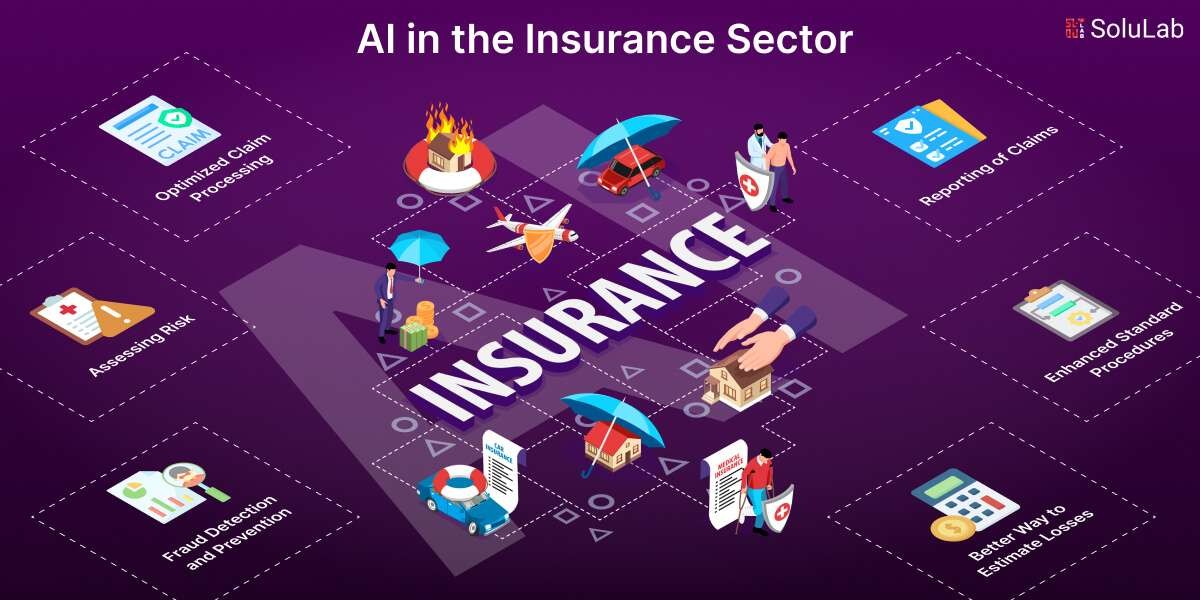
Insurance, by its nature, is a reactive industry—built to respond to risk, loss, and uncertainty. Yet throughout its history, certain landmark cases have not only tested the boundaries of coverage but have also reshaped the way insurers assess risk, structure policies, and interact with clients. These pivotal moments often arise from unexpected events or legal disputes that expose gaps in coverage or challenge long-standing assumptions. When they do, the ripple effects can be felt across the entire industry, prompting regulatory changes, new underwriting practices, and shifts in consumer expectations.
One of the most influential case studies in modern insurance history emerged from the aftermath of the September 11 attacks. The destruction of the World Trade Center raised a complex question: was the event considered one insured incident or two? The answer had massive financial implications. The leaseholder of the towers, Larry Silverstein, had secured insurance coverage that included a clause for “occurrence,” but the definition of that term was ambiguous. If the attacks were deemed two separate occurrences—one for each tower—the payout would double. The legal battle that followed forced insurers and courts to confront the nuances of policy language and the importance of clearly defining terms. Ultimately, the case underscored the need for precision in underwriting and led to widespread revisions in how insurers write and interpret occurrence-based policies.
Another case that reshaped the industry involved Hurricane Katrina in 2005. The storm caused unprecedented damage across the Gulf Coast, and the distinction between wind damage and flood damage became a central issue. Many homeowners believed they were covered, only to discover that their policies excluded flood-related losses. The confusion and frustration that followed led to a surge in litigation and public outcry. Insurers faced criticism for unclear policy language and inadequate communication. In response, regulators pushed for greater transparency in homeowners insurance, and many companies began offering clearer breakdowns of what is and isn’t covered. The Katrina experience also accelerated the development of parametric insurance models, which pay out based on predefined triggers like wind speed or rainfall, rather than damage assessments, offering a more objective and timely approach to disaster coverage.
The rise of cyber threats has also produced case studies that have forced the industry to evolve. One notable example is the 2017 WannaCry ransomware attack, which affected hundreds of thousands of computers worldwide, including systems in healthcare and finance. The attack exposed the vulnerability of digital infrastructure and raised questions about whether traditional insurance policies could adequately address cyber risks. Some companies discovered that their general liability or property policies did not cover losses from cyberattacks, leading to disputes and denied claims. This gap prompted insurers to develop specialized cyber insurance products, with coverage tailored to data breaches, business interruption, and regulatory fines. The WannaCry incident also highlighted the need for insurers to understand the technical landscape and collaborate with cybersecurity experts to assess and price risk more accurately.
In the realm of health insurance, the case of the Affordable Care Act (ACA) in the United States stands out as a transformative moment. While not a single claim or dispute, the implementation of the ACA fundamentally altered the insurance landscape. It introduced mandates for coverage, prohibited denial based on pre-existing conditions, and expanded access through marketplaces and subsidies. Insurers had to adapt quickly, recalibrating their risk pools and pricing models to accommodate a broader and more diverse population. The ACA also spurred innovation in preventive care and wellness programs, as insurers sought to manage costs by encouraging healthier lifestyles. Though politically contentious, the ACA demonstrated how policy and regulation can drive systemic change in insurance, reshaping both the business model and the consumer experience.
Another compelling case study comes from the aviation industry. The disappearance of Malaysia Airlines Flight MH370 in 2014 posed a unique challenge for insurers. With no confirmed wreckage and no definitive cause, the question of how and when to pay claims became a matter of intense debate. The situation tested the limits of aviation insurance and reinsurance, particularly in terms of liability and passenger compensation. It also prompted a reevaluation of how insurers handle catastrophic events with uncertain outcomes. In the years following, insurers began incorporating more robust clauses for search and recovery costs, and the case highlighted the importance of crisis management and communication in high-profile claims.
Even in the world of life insurance, certain cases have left a lasting mark. The rise of genetic testing and predictive analytics has introduced ethical and legal dilemmas around underwriting. One landmark case involved a dispute over whether an insurer could use genetic information to deny coverage or adjust premiums. The controversy led to legislative action in several countries, restricting the use of genetic data in life insurance decisions. This shift has forced insurers to balance risk assessment with privacy concerns, and it continues to influence how new technologies are integrated into underwriting practices.
These case studies illustrate that insurance is not a static industry. It evolves in response to real-world events, legal challenges, and technological advancements. Each turning point reveals something about the assumptions built into policies and the expectations of those who rely on them. Whether it’s a natural disaster, a cyberattack, or a regulatory overhaul, the lessons learned from these moments shape the future of coverage, pricing, and customer engagement. For insurers, staying ahead means not only reacting to change but anticipating it—building resilience into their models and clarity into their contracts. For policyholders, these stories serve as a reminder to read the fine print, ask questions, and view insurance not just as a transaction, but as a partnership grounded in trust and transparency.