Insurance is often treated as a checkbox—something to be purchased once and then forgotten until disaster strikes. But this approach overlooks the dynamic nature of risk and the evolving needs of individuals and businesses. Insurance isn’t a static product; it’s a living part of your financial strategy that should grow and adapt alongside your life or enterprise. Making insurance a one-time decision can leave you exposed to gaps in coverage, outdated policies, and missed opportunities for protection. Instead, it should be revisited regularly, with the same attention given to investments, budgets, and strategic planning.
One of the most compelling reasons to treat insurance as an ongoing decision is the simple fact that life changes. A young professional might start with basic health and renters insurance, but as they progress in their career, buy a home, start a family, or launch a business, their risk profile shifts dramatically. Each milestone introduces new vulnerabilities and responsibilities that require a fresh look at coverage. For example, purchasing a home brings the need for homeowners insurance, but also raises questions about liability, flood risk, and personal property protection. Similarly, having children might prompt a reevaluation of life insurance to ensure their financial security in case of an untimely death. These transitions aren’t just personal—they’re financial, and insurance must evolve to reflect them.
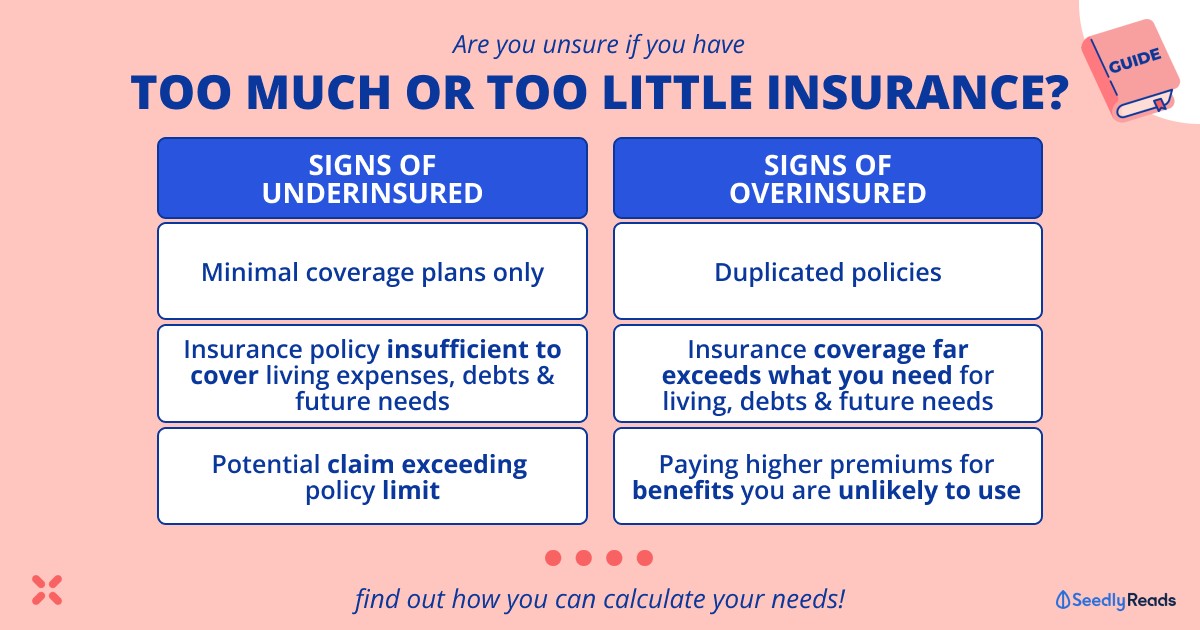
Businesses face an even more complex landscape. A startup might begin with general liability and property insurance, but as it grows, it may need coverage for cyber threats, professional liability, employee benefits, and business interruption. Expansion into new markets, hiring staff, or adopting new technologies all introduce risks that weren’t present at the company’s inception. If the business relies on its original insurance policies without reassessment, it risks being underinsured or misaligned with current exposures. Regular insurance reviews become a strategic necessity, not just a compliance exercise. They ensure that coverage keeps pace with growth and that the business remains resilient in the face of change.
Regulatory environments also shift, impacting what insurance is required or advisable. Governments may introduce new mandates, adjust liability standards, or redefine what constitutes acceptable coverage. For instance, changes in healthcare laws can affect the structure and cost of health insurance plans, while updates to environmental regulations might necessitate specialized coverage for pollution or waste management. Staying informed and responsive to these changes is essential. A policy that was compliant five years ago might now fall short of legal requirements, exposing the policyholder to fines or litigation. Insurance decisions must be revisited not just for personal or business reasons, but to remain aligned with external obligations.
Technology is another driver of change that demands ongoing attention to insurance. The rise of digital platforms, remote work, and data-driven operations has introduced new risks that traditional policies may not fully address. Cyber insurance, once a niche product, is now a critical component of risk management for businesses of all sizes. But even within cyber insurance, the landscape is evolving rapidly. Threats become more sophisticated, coverage terms shift, and insurers adjust their underwriting criteria. What was considered adequate protection a year ago might now be insufficient. Regular reviews and updates ensure that coverage remains relevant and effective in a fast-moving digital world.
Financial considerations also play a role in why insurance shouldn’t be a one-time decision. Premiums fluctuate, policy terms change, and new products enter the market. By periodically reassessing your insurance portfolio, you may find opportunities to reduce costs, improve coverage, or consolidate policies for greater efficiency. For example, bundling home and auto insurance might offer discounts, while switching providers could yield better terms. But these benefits are only accessible to those who actively engage with their insurance strategy. Passive policyholders miss out on potential savings and enhancements simply because they haven’t taken the time to explore their options.
Another important factor is the potential for coverage gaps. As needs change and policies age, gaps can emerge that leave individuals or businesses vulnerable. A homeowner who renovates their property may increase its value beyond the limits of their existing policy. A business that adds new services might face liability exposures not covered under its original plan. Without regular reviews, these gaps remain hidden until a claim is filed—and by then, it’s too late. Proactive insurance management helps identify and address these issues before they become costly problems.
Even the relationship with your insurer benefits from ongoing engagement. Building a rapport with your insurance provider or broker fosters better communication, more personalized service, and quicker resolution of claims. It also allows for more strategic discussions about coverage options, risk mitigation, and long-term planning. Insurance isn’t just about protection—it’s about partnership. Treating it as a one-time transaction undermines the potential for collaboration and tailored support that can make a real difference when challenges arise.
Ultimately, the decision to view insurance as an ongoing process rather than a one-time event reflects a mindset of responsibility and foresight. It acknowledges that risk is not fixed, and that protection must be as dynamic as the world around us. Whether you’re an individual navigating life’s milestones or a business steering through growth and uncertainty, revisiting your insurance strategy regularly is not just prudent—it’s essential. It ensures that your coverage remains aligned with your goals, responsive to change, and ready to support you when it matters most. Insurance is not a set-it-and-forget-it proposition; it’s a living part of your financial health, deserving of attention, care, and strategic thinking.