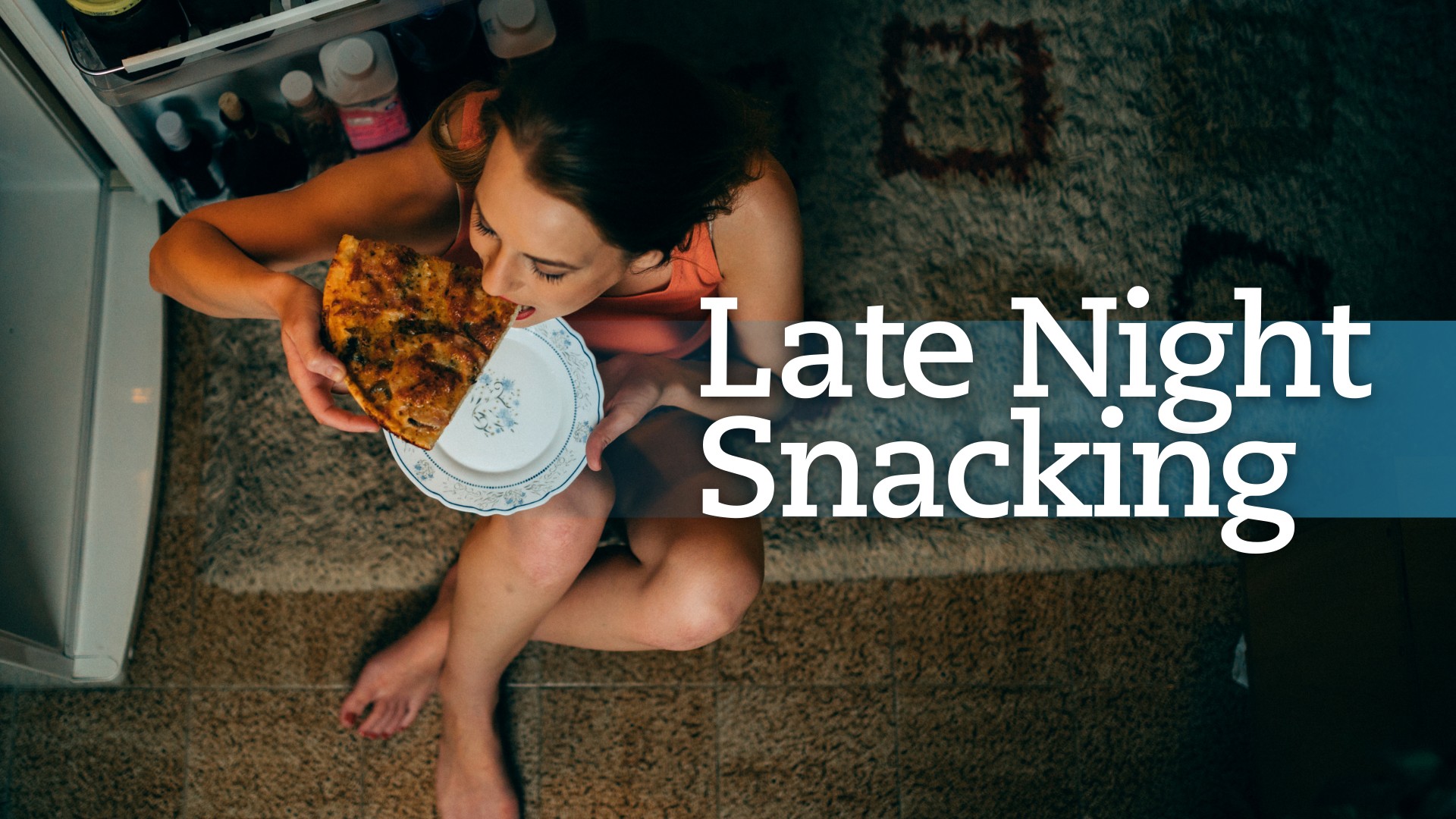
As the demands of modern life intensify, often blurring the lines between work and personal time, many professionals find themselves falling into a common, yet often counterproductive, habit: late-night snacking. This isn’t merely a minor indulgence; for many, it becomes a significant impediment to achieving health goals, maintaining energy levels, and even sustaining the mental clarity crucial for effective decision-making. Just as a well-managed business thrives on strategic planning and disciplined execution, personal well-being, particularly concerning dietary habits, requires a similar level of foresight and control. Understanding the root causes of late-night snacking and implementing targeted strategies to overcome it is not just about willpower; it’s about optimizing one’s personal performance and protecting a valuable asset: health.
The allure of a late-night treat often stems from a complex interplay of physiological and psychological factors. Physiologically, it can be a genuine response to inadequate calorie intake during the day. Skipping meals or consuming insufficient portions can leave the body feeling deprived, leading to intense hunger signals as the day winds down. This is particularly true for busy professionals who might prioritize meetings over mealtimes, or opt for light, rushed lunches. The body, ever efficient in its pursuit of energy, interprets this deficit as a need for immediate fuel, often craving readily available, high-calorie options that provide a quick energy boost—precisely the kind of foods found in a typical snack cabinet.
Beyond sheer physical hunger, however, the psychological drivers of late-night snacking are often more potent and insidious. For many, the evening hours represent a transition from the structured demands of the workday to a period of relaxation and decompression. Food, in this context, can become a coping mechanism for stress, boredom, loneliness, or even a way to reward oneself after a long day. The act of eating provides a temporary distraction or comfort, a brief escape from anxieties or the quiet monotony of an empty evening. This emotional eating often manifests as cravings for “comfort foods”—items high in sugar, fat, and salt, which trigger the brain’s reward centers, creating a powerful, albeit fleeting, sense of pleasure. Recognizing this emotional connection to food is paramount, akin to identifying the underlying factors influencing market trends; without addressing the root cause, superficial solutions will likely fail.
One significant contributor to late-night overeating is often an unstructured or insufficient daytime eating pattern. A common scenario involves individuals who consume a meager breakfast, a rushed or skipped lunch, and then a relatively light dinner, only to find themselves ravenous by 9 or 10 p.m. This creates an energy deficit that the body instinctively seeks to rectify. To counteract this, it is crucial to establish a consistent eating schedule with balanced meals throughout the day. Prioritizing protein, healthy fats, and complex carbohydrates at each meal can help maintain stable blood sugar levels, promote satiety, and reduce the likelihood of intense hunger pangs later in the evening. Think of it as a well-diversified investment portfolio: consistent, strategic inputs throughout the day ensure a stable return of energy and reduce the need for emergency, high-risk “bailouts” at night.
Furthermore, managing stress effectively is a cornerstone of curbing late-night snacking. Given the demanding nature of many professional careers, stress is an unavoidable reality. However, allowing stress to consistently manifest as emotional eating creates a vicious cycle. Developing alternative coping mechanisms is essential. This could involve engaging in relaxing activities before bed, such as reading, listening to calming music, taking a warm bath, or practicing mindfulness and meditation. For some, a brief, gentle evening walk might suffice, offering both physical activity and a mental break. The goal is to consciously disassociate food from stress relief and build a repertoire of healthier strategies that offer genuine, sustainable comfort and relaxation.
Another critical strategy involves meticulously analyzing the contents of your kitchen, particularly the pantry and refrigerator. Just as a business minimizes exposure to unnecessary risks, an individual seeking to curb late-night snacking should eliminate or significantly reduce the presence of tempting, highly processed snack foods. If those indulgent items are not readily accessible, the effort required to obtain them (e.g., driving to a convenience store) often acts as a deterrent. Instead, stock your kitchen with healthier, satiating options for legitimate hunger, such as fresh fruits, vegetables with hummus, plain yogurt, or a handful of nuts. This proactive environmental control removes the immediate temptation and makes healthier choices the default.
Finally, establishing a clear boundary between eating and sleeping is vital. Many individuals find themselves snacking while watching television, scrolling on their phones, or working on their laptops in bed. This creates an associative link between these activities and eating, leading to mindless consumption. Designating the kitchen or dining area as the sole place for eating can help break this pattern. Furthermore, setting a strict “kitchen closing time” – perhaps two to three hours before bedtime – can effectively reduce the window for late-night grazing. This disciplined approach not only limits caloric intake but also allows the digestive system to rest, potentially improving sleep quality, which in turn reduces stress and the likelihood of emotional eating the following day. This deliberate separation of activities underscores a commitment to intentionality, a hallmark of successful personal and professional management.
In essence, overcoming late-night snacking is not about deprivation but about re-establishing control and consciously optimizing one’s health and performance. It requires a thoughtful analysis of daily routines, emotional triggers, and environmental cues. By adopting a proactive approach to daytime nutrition, developing effective stress management techniques, curating a supportive food environment, and setting clear boundaries around eating times, individuals can dismantle the habit of late-night snacking. This strategic shift is an investment in long-term well-being, paving the way for improved physical health, enhanced mental clarity, and the sustained energy levels necessary to thrive in an increasingly demanding world. It’s a testament to the power of self-discipline and strategic thinking, applied not just to business ventures, but to the most important enterprise of all: one’s own health.