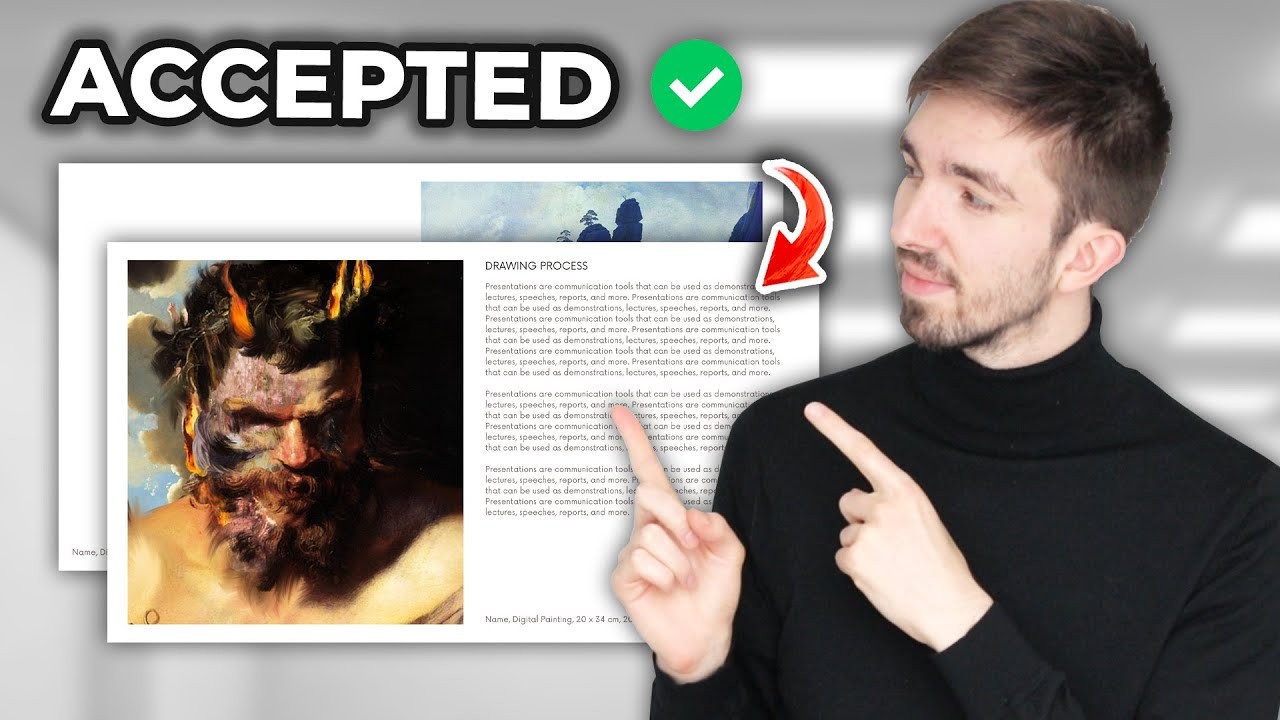
Building a digital portfolio has become an indispensable practice in today’s professional landscape, transcending creative industries to become a powerful tool for anyone looking to showcase their skills, experiences, and growth in a dynamic and accessible format. Far more than just an online resume, a digital portfolio is a curated collection of your best work, presented in a way that tells a compelling story about your capabilities and aspirations. It acts as a living testament to your unique talents, offering a depth and richness that a traditional CV simply cannot capture, thereby making a lasting impression on potential employers, clients, or academic institutions.
### Defining Your Purpose and Audience
The journey to building an effective digital portfolio begins with a clear understanding of its **purpose and target audience**. Before diving into platforms or content, it’s crucial to ask: Who is this portfolio for? What do I want them to understand or feel after viewing it? Is it for prospective employers in a specific industry, potential clients seeking a particular service, or perhaps admissions committees for an academic program? The answers to these questions will profoundly influence every subsequent decision, from the choice of platform to the selection and presentation of your work.
For instance, a graphic designer aiming for a position at a cutting-edge agency might prioritize visual flair and interactive elements, showcasing a diverse range of print and digital projects. In contrast, a teacher looking to demonstrate pedagogical effectiveness might focus on student work samples, lesson plans, and reflective essays on teaching philosophy. Similarly, a software developer might emphasize code repositories, project walkthroughs, and problem-solving approaches. Defining your audience helps you tailor the content, tone, and design to resonate most powerfully with the people you’re trying to impress.
—
### Curating Your Best Work with Intention
Once the purpose is clear, the next critical step is **curating your content with meticulous intention**. A digital portfolio is not a dumping ground for every piece of work you’ve ever created; rather, it’s a showcase of your very best. Quality always trumps quantity. Select pieces that not only demonstrate your skills but also highlight your growth, problem-solving abilities, and unique approach to challenges. Each artifact should be thoughtfully chosen to support the narrative you wish to tell about yourself.
For each piece included, provide **context and reflection**. Simply displaying an image or a link is insufficient. Explain the project’s objective, your specific role, the challenges you faced, and how you overcame them. More importantly, articulate the *impact* of your work and what you *learned* from the experience. For example, instead of just showing a marketing campaign, describe the client’s initial problem, your strategic approach, the tools you used, and the quantifiable results achieved (e.g., “Increased lead generation by 30%”). This reflective commentary transforms a static display of work into a compelling narrative of your competence and critical thinking.
—
### Choosing the Right Platform and Designing for Impact
The selection of a platform is a crucial decision that impacts the portfolio’s functionality, aesthetic, and ease of maintenance. Options range from dedicated portfolio platforms like Behance, Dribbble (for designers), or GitHub (for developers) to more flexible website builders such as Squarespace, Wix, or WordPress. The “right” platform depends heavily on your industry and technical comfort level. For visual artists or writers, a platform that prioritizes clean layouts and image galleries might be ideal, while for a consultant, a professional website with clear navigation and case studies would be more appropriate.
Regardless of the platform chosen, **design for impact and user experience**. A cluttered, disorganized, or difficult-to-navigate portfolio will deter visitors. Prioritize a clean, intuitive layout, consistent branding, and high-quality visuals. Ensure fast loading times and mobile responsiveness, as many viewers will access your portfolio on various devices. The portfolio should not only look professional but also be easy to explore, guiding the visitor through your work and your story effortlessly. Think of it as an interactive resume that allows visitors to delve deeper into your capabilities at their own pace.
—
### Crafting a Compelling Narrative and Call to Action
A powerful digital portfolio goes beyond just showcasing work; it **weaves a compelling narrative** about who you are, what drives you, and where you aspire to go. This involves a concise yet impactful “About Me” section that highlights your unique value proposition, passions, and professional journey. Consider including a professional headshot and a brief introductory video to add a personal touch. Your portfolio should answer the unspoken question in the viewer’s mind: “Why *you*?”
Finally, every great digital portfolio includes a clear **call to action (CTA)**. What do you want your visitor to do after viewing your work? Do you want them to contact you for a project, schedule an interview, download your resume, or connect on LinkedIn? Make it easy for them to take the next step by providing clear contact information and prominent CTA buttons. Regularly update your portfolio with new projects, refined reflections, and updated contact details to ensure it remains a dynamic and current representation of your professional growth.
In essence, building a digital portfolio is an ongoing process of self-reflection, strategic curation, and intentional presentation. It’s an opportunity to move beyond the limitations of traditional credentials and truly demonstrate your skills, creativity, and unique contributions. By thoughtfully defining its purpose, meticulously curating content, designing for impact, and crafting a compelling narrative, a digital portfolio becomes an indispensable asset, opening doors to new opportunities and showcasing the full spectrum of your professional capabilities in a way that leaves a lasting and positive impression.