## Contactless Tech in Post-Pandemic Healthcare
The COVID-19 pandemic served as a stark, undeniable accelerant for technological adoption across nearly every sector, and healthcare was no exception. Faced with an urgent need to minimize viral transmission while maintaining essential services, healthcare providers rapidly embraced innovations that had previously languished on the drawing board or in pilot programs. Among the most transformative of these accelerations was the widespread integration of **contactless technology**. What began as an imperative for immediate safety has now evolved into a foundational element of post-pandemic healthcare, redefining patient experiences, operational efficiencies, and the very architecture of clinical environments.
Before the pandemic, the idea of a fully contactless healthcare journey seemed futuristic, almost a luxury. Today, it’s increasingly becoming an expectation. The core principle behind contactless tech in healthcare is to reduce physical touchpoints between patients, staff, and shared surfaces, thereby minimizing the risk of infection transmission. This extends far beyond just payment systems, encompassing a wide array of innovations from check-in processes to diagnostic tools and even remote monitoring. The paradigm shift wasn’t just about preventing disease; it was about instilling confidence, enhancing convenience, and optimizing workflows in a world acutely aware of microbial threats.
One of the most visible applications of contactless technology has been in **patient registration and check-in**. Gone are the days of clipboards and pens being passed from hand to hand. Now, patients can often complete pre-registration forms online from the comfort of their homes, receiving digital barcodes or QR codes on their smartphones. Upon arrival at a clinic or hospital, they can simply scan these codes at a kiosk or use a dedicated mobile app to automatically check in, bypassing reception desks entirely. This not only reduces physical contact but also significantly cuts down on wait times, streamlines administrative burdens, and improves overall patient satisfaction. Imagine arriving for an appointment, scanning your phone, and proceeding directly to the waiting area – it’s a seamless experience that prioritizes efficiency and safety.
Beyond administrative functions, contactless technology has permeated clinical care, particularly in the realm of **vital sign monitoring and diagnostics**. Thermal cameras, once primarily a security tool, are now commonly deployed at healthcare facility entrances to non-invasively screen for elevated body temperatures, a key indicator of fever. This allows for rapid identification of potentially infectious individuals without any physical contact. Moreover, advancements in remote sensing technology allow for the measurement of heart rate, breathing rate, and even blood pressure using specialized cameras or radar-based systems that detect subtle changes in skin color or chest movements. This means a nurse can assess a patient’s basic vitals from a short distance, a crucial capability in isolating patients or monitoring those with highly contagious conditions, safeguarding both patient and clinician.
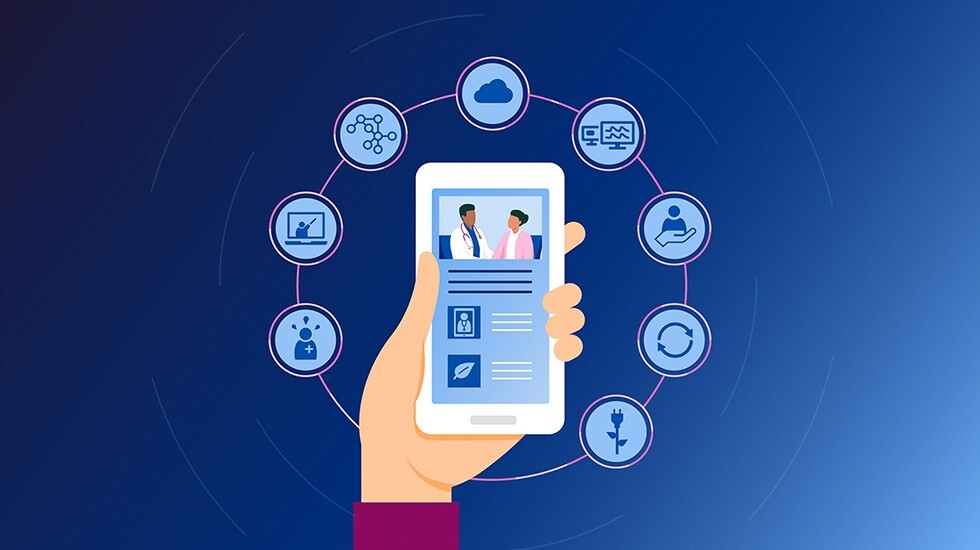
The expansion of **telehealth and virtual care** is arguably the most impactful manifestation of contactless healthcare. While telemedicine existed before 2020, its adoption exploded during the pandemic as a necessity. Now, it has firmly established itself as a convenient and effective mode of care delivery. Patients can consult with doctors via video calls, receive diagnoses, and even get prescriptions refilled without ever leaving their homes. This dramatically reduces the need for physical visits, minimizing exposure risks for vulnerable populations and improving access to specialists, particularly for those in remote areas or with mobility challenges. The digital interaction becomes the primary point of contact, seamlessly facilitated by secure platforms.
Further enhancing the contactless experience are innovations in **touchless interfaces and voice-activated controls** within clinical settings. In operating rooms, intensive care units, and examination rooms, surgeons and nurses can now control medical equipment, access patient records, or adjust lighting using gestures or voice commands. This not only prevents contamination of sterile surfaces but also improves workflow efficiency when hands are otherwise occupied. Consider a surgeon needing to review an X-ray during a procedure; instead of touching a screen, a simple hand gesture can bring up the image, maintaining sterility and focus.
However, the widespread integration of contactless technology in healthcare is not without its considerations. **Digital literacy and equitable access** remain critical challenges. While beneficial for many, these technologies could inadvertently widen the healthcare gap for older populations or those in socioeconomically disadvantaged communities who may lack access to smartphones, reliable internet, or the digital skills required to navigate these new systems. Healthcare providers must ensure that contactless solutions are implemented alongside alternative, inclusive options to avoid alienating portions of the patient population.
Furthermore, **data security and privacy** are paramount. As more sensitive health information is transmitted and stored digitally, robust cybersecurity measures are essential to protect patient data from breaches. Trust in these systems is contingent upon the assurance that personal health information remains confidential and secure.
In conclusion, the post-pandemic era has solidified contactless technology not as a fleeting trend but as an enduring pillar of modern healthcare. What began as a reactive measure to a global health crisis has evolved into a strategic imperative for enhancing safety, improving efficiency, and delivering more patient-centric care. From seamless digital check-ins and remote vital sign monitoring to widespread telehealth adoption and touchless clinical controls, contactless solutions are fundamentally reshaping how healthcare is delivered. While challenges around accessibility and data security persist, the trajectory is clear: a future where the physical touchpoints in healthcare are minimized, fostering a safer, more efficient, and ultimately, a more confident experience for both patients and providers alike.