Losing a job is, for most individuals, a deeply unsettling experience, fraught with emotional turmoil, professional uncertainty, and perhaps most immediately, a daunting financial challenge. The sudden cessation of a regular income stream can trigger immense anxiety, transforming what once seemed like a stable financial outlook into a landscape of daunting questions. However, while the initial shock is natural, the period immediately following a job loss is also a critical window for proactive and strategic financial management. By taking swift, decisive, and informed steps, individuals and families, including those here in Germany, can effectively navigate this difficult transition, mitigate financial stress, and lay the groundwork for a stable recovery.
The absolute first priority after a job loss is to **assess your immediate financial situation and understand your resources**. This means taking a clear-eyed inventory of all available funds. How much do you have in your emergency savings? This is precisely what that fund was built for, and now is the time to utilize it responsibly. Identify any severance pay you will receive, as well as the terms and timing of its distribution. In Germany, depending on your contract and the circumstances of your dismissal, you might be entitled to a “Abfindung” (severance pay), which can provide a crucial financial bridge. Crucially, research and apply for any unemployment benefits you are eligible for. In Germany, the “Arbeitslosengeld I” (unemployment benefit I) provided by the Agentur für Arbeit can offer a significant portion of your previous net income for a defined period, offering vital breathing room. Understanding all your potential income sources—even temporary ones—is paramount for creating a realistic financial outlook.
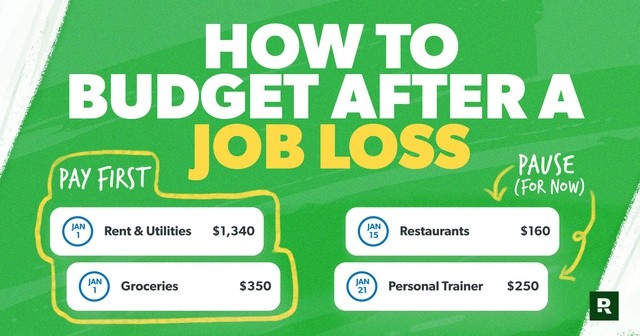
Once you have a grasp of your immediate resources, the next critical step is to **create a bare-bones budget and drastically cut unnecessary expenses**. This is not the time for discretionary spending. Go through your existing budget line by line and categorize every expense as “essential” or “non-essential.” Essential expenses include housing (rent/mortgage), utilities, groceries, transportation for job searching, and critical medical needs. Non-essential expenses encompass dining out, entertainment, subscriptions, new clothing purchases, and most luxury items. Be ruthless in eliminating or significantly reducing non-essentials. For instance, instead of ordering takeout, plan frugal home-cooked meals. Cancel streaming services you rarely use. Temporarily pause gym memberships or other recreational activities. This lean budget will help stretch your available funds as far as possible, maximizing the duration of your financial runway.
Simultaneously, it’s vital to **communicate with creditors and explore payment flexibility**. Do not wait for bills to become overdue. Proactively contact your mortgage lender, credit card companies, utility providers, and any other creditors to explain your situation. Many companies have hardship programs or can offer temporary deferrals, reduced payments, or interest-only options during periods of unemployment. For example, some German banks might be willing to temporarily suspend mortgage payments or offer lower installments. Ignoring these obligations will only lead to late fees, negative marks on your credit report, and increased stress. Open and honest communication can prevent further financial damage and provide crucial breathing room. Prioritize paying essential bills first, and work with creditors on others.
Beyond immediate cuts, strategize how to **optimize existing assets and minimize debt accumulation**. While dipping into long-term savings like retirement accounts (e.g., your German *Betriebliche Altersvorsorge* or *Riester-Rente*) should generally be a last resort due to potential penalties and lost future growth, consider other accessible assets if absolutely necessary, but only after exhausting other options. If you have non-essential items that can be sold, consider liquidating them. Avoid taking on new debt, especially high-interest credit card debt, to cover living expenses. If you must use credit, aim to pay it off as quickly as possible once income resumes. This period is about preservation and minimizing negative long-term financial impacts.
Crucially, **prioritize your job search and networking activities**. While financial management is vital, the ultimate solution to job loss is finding new employment. Treat your job search as a full-time job. Dedicate specific hours each day to updating your resume and cover letters, networking, applying for positions, and preparing for interviews. Leverage resources provided by government employment agencies (like Germany’s Agentur für Arbeit, which offers job placement services and training programs), professional associations, and online job boards. Networking, even remotely, can open doors to opportunities not publicly advertised. The faster you secure new employment, the sooner you can stabilize your finances and resume progress towards your long-term goals.
Finally, managing your finances after a job loss also involves **prioritizing your mental and physical well-being**. The stress of unemployment can be immense, impacting decision-making and overall resilience. Ensure you are taking care of yourself, maintaining routines, exercising, and seeking support from family, friends, or professionals if needed. Financial planning can be emotionally taxing, but maintaining a clear head and a positive outlook will better equip you to navigate the challenges. Remember, job loss is a common experience, and it is a temporary setback, not a permanent state.
In conclusion, navigating the financial aftermath of a job loss demands a proactive, disciplined, and strategic approach. By swiftly assessing available resources, implementing a lean budget, communicating transparently with creditors, optimizing assets, prioritizing the job search, and safeguarding personal well-being, individuals can effectively manage this challenging period. While the road ahead may seem uncertain, taking deliberate financial steps provides a sense of control and resilience, ultimately paving the way for a stable recovery and a stronger financial future.