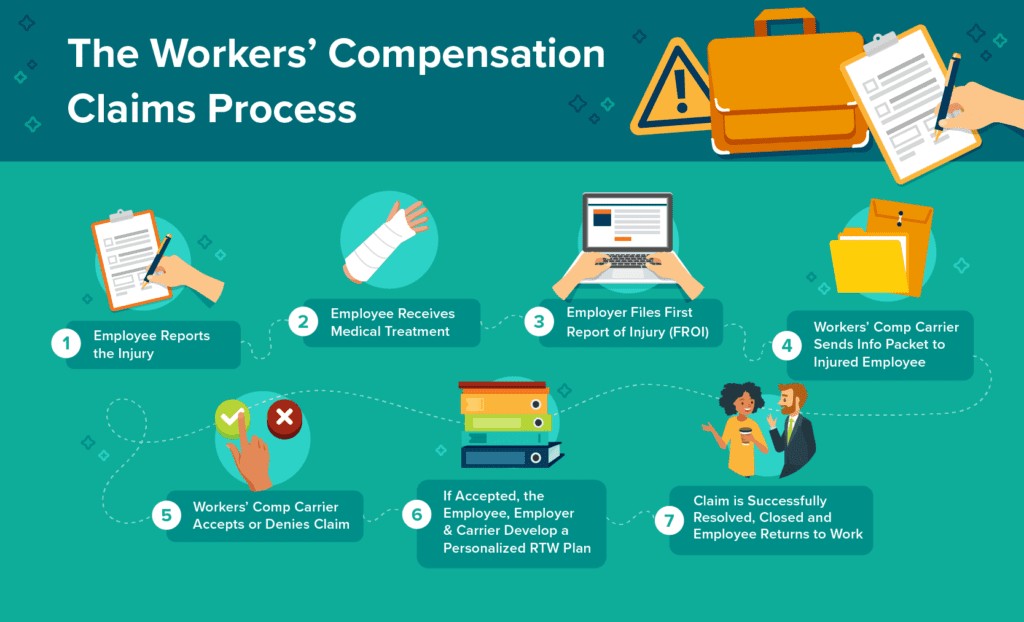
In any robust economy, the well-being and safety of the workforce are paramount, not just for ethical reasons, but for sustained productivity and business continuity. In Germany, this commitment to worker protection is deeply embedded within its social security system, notably through what is broadly understood as Workers’ Compensation Insurance. This essential safety net, officially known as *Statutory Accident Insurance* (*Gesetzliche Unfallversicherung* or *Unfallversicherung*), ensures that employees receive comprehensive support in the unfortunate event of work-related injuries, accidents on the commute to or from work, or occupational illnesses. For employers and employees alike, understanding this system is not merely about compliance; it’s about appreciating a fundamental pillar of workplace security and social welfare.
At its core, Germany’s Statutory Accident Insurance operates as a no-fault system. This crucial characteristic means that benefits are provided to an injured employee regardless of who was at fault for the accident, and in return, employers are generally protected from direct civil liability claims from their employees. This framework fosters a sense of security among workers, knowing they will receive support in challenging circumstances, and provides businesses with predictable financial outlays for work-related incidents, rather than facing potentially ruinous lawsuits. It’s a mutual benefit that contributes to industrial peace and stability.
The system is financed exclusively by employers’ contributions, a distinguishing feature compared to other branches of social insurance in Germany where contributions are shared between employers and employees. Employers are legally obligated to register their staff with the relevant Employer’s Liability Insurance Association (*Berufsgenossenschaft* or *Unfallkasse*), which are the institutions responsible for administering this insurance. These associations are organized by industry or sector, reflecting the specific risks associated with different types of work. For instance, a construction company would be registered with the *Berufsgenossenschaft der Bauwirtschaft* (BG BAU), while a public institution might fall under an *Unfallkasse*. This sectoral specialization allows for tailored prevention measures and benefits.
The scope of coverage under Statutory Accident Insurance is broad and comprehensive. It encompasses accidents that occur at the workplace, including during work tasks, breaks, and even company events. Crucially, it also extends to accidents that happen during the direct commute between an employee’s home and their workplace. Furthermore, it covers occupational diseases, which are illnesses medically proven to be caused by the specific work activity or conditions. The primary goal of the system, as enshrined in German social law, is not just to provide financial compensation but to prioritize “rehabilitation before retirement.” This means that every effort is made to restore the injured person’s health and ability to work, through a holistic approach that includes medical, vocational, and social rehabilitation.
Should an insured incident occur, the benefits provided are extensive. These typically include, but are not limited to:
* **Full Medical Treatment:** This covers all necessary medical care, including hospital stays, doctor visits, medications, therapies (e.g., physiotherapy, occupational therapy), and medical aids (e.g., prostheses, wheelchairs).
* **Injury Benefit (*Verletztengeld*):** If an employee is unable to work due to the injury or illness, they receive an income replacement benefit, usually 80% of their regular gross pay, up to a certain maximum. This ensures financial stability during the recovery period.
* **Vocational Rehabilitation:** If the employee cannot return to their previous job, the system supports measures to help them reintegrate into working life or acquire new skills for a different occupation. This could involve retraining programs, assistance in finding new employment, or adapting workplaces.
* **Social Rehabilitation:** Benefits aimed at supporting social integration, such as assistance with vehicle adaptation or housing modifications, counseling, and rehabilitative sports.
* **Disability Pensions:** In cases of permanent impairment or reduced earning capacity due to the work-related incident, a pension is paid to the affected person.
* **Survivor’s Benefits:** In the tragic event of a work-related death, funeral benefits and pensions are provided to surviving dependents, such as spouses and orphans.
Beyond providing support after an incident, a significant aspect of Germany’s Statutory Accident Insurance system is its strong emphasis on prevention. The Employer’s Liability Insurance Associations are legally mandated to promote measures to prevent occupational accidents and diseases. They develop and enforce accident prevention regulations, offer advisory services to companies on occupational safety and health, and provide training opportunities. This proactive approach aims to create safer work environments and minimize the occurrence of incidents in the first place, aligning the interests of employers (who bear the costs) with the well-being of employees.
For businesses operating in Germany, understanding this system is crucial. Upon establishment, companies are obliged to register with the relevant *Berufsgenossenschaft*. The contributions paid are calculated retrospectively, based on the expenditures in the preceding year and the risk classification of the industry and the specific jobs within the company. This means that industries with higher accident risks will typically have higher contribution rates.
In conclusion, Workers’ Compensation Insurance, or Statutory Accident Insurance as it’s known in Germany, is a fundamental component of the country’s social security framework. It offers comprehensive protection to employees in the event of work-related incidents, focusing on rehabilitation and long-term support, while simultaneously providing predictability and liability protection for employers. This robust system underscores a societal commitment to ensuring that individuals who contribute to the economy are safeguarded against the risks inherent in their work, fostering a secure and stable working environment for all.