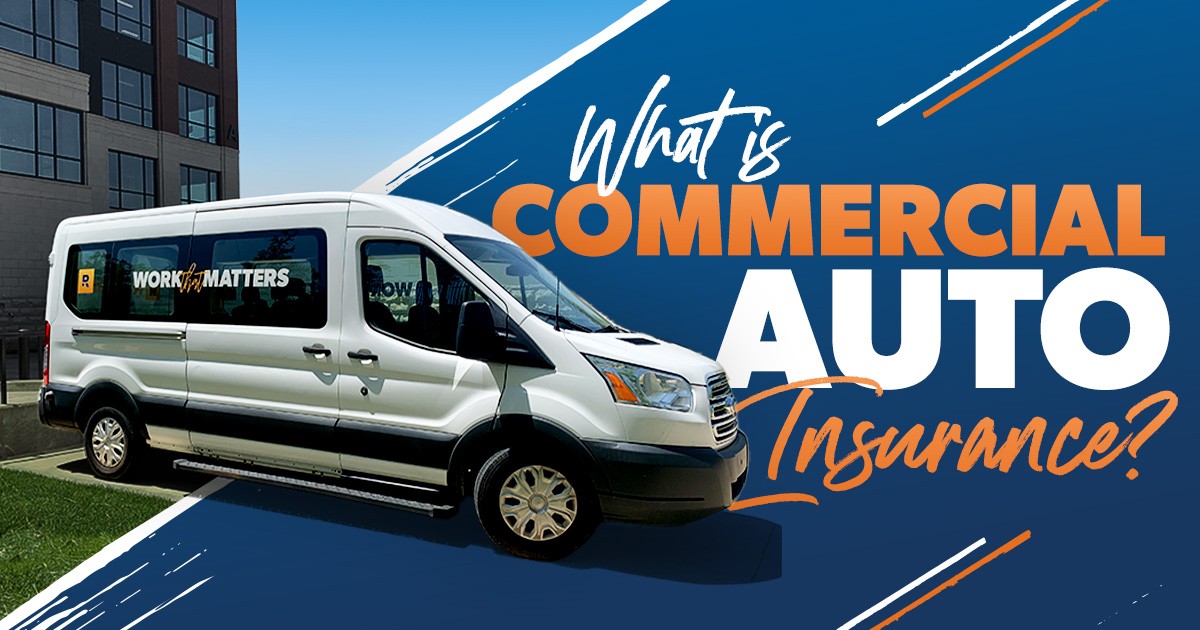
When a business puts vehicles on the road—whether vans delivering packages, sedans ferrying clients, or heavy trucks hauling equipment—it exposes itself to a range of risks that exceed those of a personal auto policy. Commercial auto insurance is designed to fill that gap, offering coverage tailored to the unique needs of organizations whose livelihoods depend on transportation. Understanding what commercial auto insurance covers—and how it differs from a standard personal policy—is essential for any business owner who wants to protect assets, manage liability, and ensure continuity in the face of accidents or other mishaps.
At its most basic level, commercial auto insurance provides liability protection when a company vehicle causes bodily injury or property damage to others. Imagine a small landscaping firm whose employee, driving a company truck, accidentally clips a pedestrian while navigating a narrow suburban street. If the pedestrian is injured or the adjacent homeowner’s fence is damaged, liability coverage under the commercial policy steps in to cover medical bills, repair costs, and any legal expenses that arise if the injured party files suit. Whereas a personal auto policy might exclude vehicles registered to a corporation or leased in the company’s name, a commercial policy explicitly acknowledges that the business itself—and not just the individual driver—is the insured party.
Beyond basic liability, physical damage coverage is another cornerstone of commercial auto insurance. Collision coverage pays for repairs to a covered vehicle if it overturns, collides with another car, or strikes an object such as a guardrail. Comprehensive coverage protects against incidents outside of collisions—things like theft, vandalism, fire, or a falling tree branch landing on the vehicle. For a courier company whose fleet spends long hours on busy city streets, these protections can mean the difference between a minor disruption and a major financial setback when vehicles are damaged or stolen.
Medical payments coverage often accompanies liability and physical damage in a commercial auto policy. If an employee or a passenger in a company vehicle sustains injuries in an accident—regardless of fault—this portion of the policy can help cover hospital stays, doctor visits, and even funeral costs. In industries where employees routinely ride together—for example, construction crews traveling to job sites—medical payments coverage ensures that workers receive prompt attention without waiting on worker’s compensation processes or personal health insurance approvals.
An often-overlooked feature of many commercial auto policies is uninsured and underinsured motorist coverage. Even the most cautious drivers can be rear‑ended or sideswiped by motorists who lack adequate insurance or any coverage at all. When this happens to a company vehicle, uninsured motorist protection can reimburse for medical treatment and repair costs that the at‑fault driver’s policy cannot cover. This safeguard maintains workflow and protects a business from bearing the full brunt of another driver’s negligence or financial irresponsibility.
Businesses that rent or hire vehicles on occasion benefit from hired and non‑owned auto coverage. Freelancers, consultants, or companies that occasionally lease trucks for special projects may find themselves exposed if their general liability policy doesn’t extend to vehicles they don’t own. Hired auto coverage steps in when the business leases a vehicle, while non‑owned auto coverage applies to cars and trucks driven by employees but owned by someone else—such as a salesperson using a personal vehicle for client visits. By adding these endorsements, a company can maintain seamless protection across a variety of transport arrangements.
Specialized businesses may require even broader coverages. Cargo insurance, for example, is vital for transporters and delivery services that move high‑value goods. If a load of electronics is damaged in transit or stolen during a break in, cargo protection reimburses the shipper or carrier for the lost merchandise. Similarly, equipment coverage can be added to secure non‑vehicle assets that are mounted on trucks—like cranes, hoists, or refrigeration units—ensuring that a breakdown or accident doesn’t leave a business stranded without vital tools.
Policy limits and deductibles in commercial auto insurance are adjustable, allowing businesses to align premiums with their risk tolerance and budget. A national moving company, with a fleet of tractor‑trailers, might choose higher liability limits—reflecting the catastrophic potential of an accident involving a fully loaded 18‑wheeler—while a local catering service might find modest limits sufficient for their smaller box trucks. Selecting appropriate deductibles also affects monthly premiums: a higher deductible lowers the cost but increases out‑of‑pocket expenses when claims are filed.
Navigating the nuances of commercial auto insurance requires a clear inventory of vehicles, drivers, and uses. Insurers typically request details such as vehicle makes and models, annual mileage, driver histories, and descriptions of operations. A delivery startup that tracks GPS usage to ensure safe driving habits may secure lower rates, while a contractor whose vehicles tow trailers daily might face higher premiums due to increased exposure. Regularly updating the insurer about new vehicles, retired units, and changes in routes helps keep coverage accurate and claims processes smoother.
The importance of commercial auto insurance extends beyond financial protection. Many contracts with clients or government agencies mandate specific coverage levels, and failing to meet those requirements can lead to lost opportunities or contract defaults. Moreover, having the right insurance in place demonstrates that a company takes risk management seriously, enhancing its reputation and trustworthiness in competitive markets.
In the end, commercial auto insurance is about more than simply complying with legal requirements. It is a strategic investment in business resilience. When a fleet of vehicles represents a company’s arteries—moving goods, people, and services—ensuring those vehicles are protected under a comprehensive policy safeguards not just the vehicles themselves, but the customers, employees, and bottom line they serve. By understanding the breadth of what commercial auto insurance covers—and tailoring policies to the specific realities of their operations—business owners can hit the road with confidence, knowing that unanticipated detours won’t cripple their drive toward success.