High blood pressure, or hypertension, is often called the “silent killer” because it usually has no obvious symptoms but significantly increases the risk of heart disease, stroke, and other serious health problems. According to the American Heart Association, nearly half of adults in the United States have high blood pressure or are taking medication for it. While medication can be necessary, many people seek natural ways to manage their blood pressure alongside or sometimes instead of drugs.
Lowering blood pressure naturally involves adopting a series of lifestyle changes that promote heart health and reduce the factors that contribute to hypertension. This article explores practical, evidence-based strategies to help you manage blood pressure safely and effectively without relying solely on medication.
Understanding Blood Pressure and Its Risks
Blood pressure measures the force of blood pushing against the walls of your arteries. It’s recorded as two numbers: systolic (pressure when the heart beats) over diastolic (pressure when the heart rests between beats). A normal reading is usually around 120/80 mm Hg. Hypertension is diagnosed when readings consistently exceed 130/80 mm Hg.
Uncontrolled high blood pressure can strain your heart and arteries, leading to complications such as:
-
Heart attack
-
Stroke
-
Kidney damage
-
Vision loss
-
Cognitive decline
Because high blood pressure rarely causes symptoms, regular monitoring and proactive management are essential.
Natural Ways to Lower Blood Pressure
1. Adopt a Heart-Healthy Diet
Diet plays a crucial role in blood pressure management. The Dietary Approaches to Stop Hypertension (DASH) diet is widely recommended and emphasizes:
-
Fruits and vegetables: Rich in potassium, fiber, and antioxidants, they help balance sodium and reduce blood vessel damage. Aim for at least 4-5 servings daily.
-
Whole grains: Foods like oats, brown rice, and quinoa improve heart health and stabilize blood sugar.
-
Lean proteins: Fish, poultry, beans, and nuts provide essential nutrients without excessive saturated fat.
-
Low-fat dairy: Offers calcium and vitamin D, both important for blood pressure control.
-
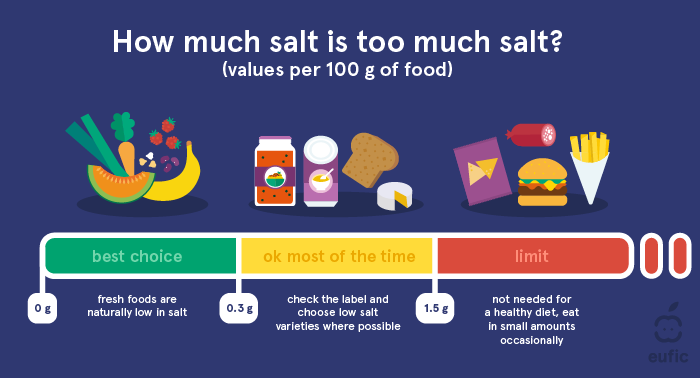
Limit sodium: Reducing salt intake to less than 2,300 mg per day (or ideally 1,500 mg) can lower blood pressure significantly. Avoid processed and fast foods, which often contain hidden salt.
2. Maintain a Healthy Weight
Excess weight forces your heart to work harder, raising blood pressure. Losing even a modest amount of weight — 5 to 10% of your body weight — can make a significant difference. Combining a balanced diet with regular exercise is the most effective way to shed pounds sustainably.
3. Exercise Regularly
Physical activity strengthens your heart and helps arteries stay flexible, which lowers resistance to blood flow. The American Heart Association recommends at least 150 minutes of moderate-intensity aerobic exercise (like brisk walking) per week. Activities like cycling, swimming, and dancing also work well. Additionally, incorporating strength training twice a week supports overall cardiovascular health.
4. Manage Stress
Chronic stress contributes to high blood pressure by triggering hormonal changes that constrict blood vessels and increase heart rate. Techniques to reduce stress include:
-
Mindfulness meditation
-
Deep breathing exercises
-
Yoga and tai chi
-
Spending time in nature
-
Engaging in hobbies
Finding healthy outlets for stress improves your mental and physical well-being.
5. Limit Alcohol Consumption
Drinking too much alcohol can raise blood pressure and reduce the effectiveness of medications. Moderation is key: no more than one drink per day for women and two for men. A drink is defined as 12 ounces of beer, 5 ounces of wine, or 1.5 ounces of distilled spirits.
6. Quit Smoking
Smoking damages blood vessels and accelerates hardening of the arteries, contributing to high blood pressure. Quitting smoking improves your heart health almost immediately and reduces your risk of many cardiovascular diseases.
7. Cut Back on Caffeine
Though the relationship between caffeine and blood pressure isn’t fully clear, caffeine can cause short-term spikes in some people. If you’re sensitive to caffeine or have high blood pressure, monitor your response and consider limiting intake from coffee, tea, energy drinks, and sodas.
8. Get Quality Sleep
Poor sleep quality and sleep disorders such as sleep apnea are linked to increased blood pressure. Aim for 7-9 hours of uninterrupted sleep each night. Good sleep hygiene—such as maintaining a consistent schedule, creating a dark and quiet environment, and avoiding screens before bed—can improve rest.
Monitoring Your Progress
Regularly checking your blood pressure at home or with a healthcare provider helps track how well your lifestyle changes are working. Many affordable, user-friendly blood pressure monitors are available. Record your readings, share them with your doctor, and adjust your strategies accordingly.
When to Seek Medical Advice
While natural methods can be highly effective, they do not replace professional medical care, especially if you have significantly elevated blood pressure or other health conditions. Always consult your healthcare provider before making major changes, and never stop prescribed medication without their guidance.
In some cases, natural strategies alone may not be enough, and medication is necessary to prevent serious complications. The goal is to work collaboratively with your healthcare team to manage your blood pressure safely and holistically.
Conclusion
Lowering your blood pressure naturally is achievable through a combination of dietary changes, physical activity, stress management, and other healthy habits. These strategies not only improve your blood pressure but also contribute to overall cardiovascular and general health.
By taking control of your lifestyle and embracing these proven approaches, you can reduce your risk of hypertension-related complications and enjoy a longer, healthier life.
Remember, every small step counts—start today, and your heart will thank you tomorrow.