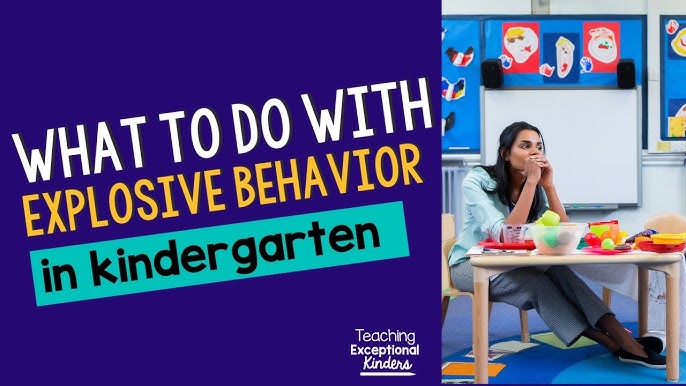
As any teacher knows, managing a classroom effectively requires balancing instruction with maintaining order and discipline. While it’s natural for students to exhibit occasional disruptive behavior, it can be a challenge to manage when it occurs regularly. When dealing with disruptive students, one of the most important strategies is to approach the situation with respect. Respectful management not only addresses the immediate issue but also fosters a positive classroom environment where all students feel valued and supported.
Handling disruptive students with respect requires patience, consistency, and an understanding of the root causes behind the behavior. Instead of resorting to punitive measures or frustration, a respectful approach can help students recognize the impact of their actions, while also giving them the opportunity to learn from their mistakes and improve their behavior. Here are several strategies for handling disruptive students in a way that preserves dignity, promotes understanding, and ultimately improves classroom dynamics.
1. Understand the Underlying Causes of Disruption
Before reacting to disruptive behavior, it’s crucial to understand what may be driving the behavior. Disruptive students often act out due to personal challenges, academic struggles, or unmet emotional needs. Some students may feel bored, frustrated, or disconnected from the class material, leading them to seek attention or cause disruptions. Others might be dealing with stress, anxiety, or difficult situations at home that manifest in the classroom.
Rather than immediately jumping to conclusions, take the time to observe the student and consider potential reasons behind their actions. If the disruption is ongoing, it might be helpful to have a one-on-one conversation with the student to better understand what’s going on. This empathetic approach shows that you care about the student as an individual and not just as a source of disruption.
2. Stay Calm and Composed
One of the most important aspects of handling disruptive students with respect is maintaining your own composure. When a student is acting out, it’s easy to get frustrated or upset. However, responding with anger or impatience can escalate the situation and undermine your authority.
Instead, model calmness by speaking in a calm, controlled voice. Take a deep breath, and avoid raising your voice or resorting to threats. Students are more likely to respect you when they see you remain composed and in control, regardless of the situation. This also helps de-escalate the disruption and creates a safe space for both you and the student to address the issue rationally.
3. Set Clear Expectations for Behavior
Prevention is often the most effective strategy when it comes to managing disruptions. From the very beginning of the school year, establish clear expectations for behavior in the classroom. Communicate your rules in a way that is fair, consistent, and easy to understand. Make sure students know what behaviors are acceptable and what consequences will follow if those expectations are not met.
However, respect is a key component in these expectations. Be sure that the rules are not overly punitive or unfairly applied. Instead, focus on creating an environment that encourages respect for others and for the learning process. Involve students in the development of classroom rules, if possible, so they feel ownership over the guidelines they are asked to follow.
4. Use Positive Reinforcement
When students engage in positive behavior, it’s important to acknowledge and praise them for their efforts. Positive reinforcement encourages students to repeat the behaviors you want to see and helps build their self-esteem and motivation. Complimenting a student for staying focused, participating in class, or contributing positively can go a long way in reinforcing good behavior.
In the case of disruptive students, positive reinforcement can be used as a tool to guide them toward more appropriate actions. Instead of focusing solely on negative behavior, highlight small improvements and reward the student for their progress. This approach not only fosters respect but also helps students feel valued for their contributions, even if those contributions are initially small.
5. Address Disruptions Privately When Possible
Sometimes, addressing disruptions in front of the class can humiliate a student and escalate the situation. Instead, try to pull the student aside and address the behavior privately. This approach allows the student to maintain their dignity while still holding them accountable for their actions.
In a one-on-one conversation, express your concern about the behavior in a calm and respectful manner. Avoid accusing or blaming the student. Instead, focus on how their actions are affecting the class and ask for their cooperation in maintaining a positive learning environment. If necessary, work together to develop a plan to prevent similar disruptions in the future.
6. Be Consistent in Your Responses
Consistency is key to effective classroom management. When you are consistent in enforcing the classroom rules and responding to disruptive behavior, students know what to expect and are more likely to respect the boundaries you set. Inconsistent discipline, on the other hand, can confuse students and lead to frustration.
If a student consistently engages in disruptive behavior, follow through with the agreed-upon consequences, but always do so respectfully. For example, if you’ve established a rule that disruptive students will have to take a brief time-out or leave the classroom for a few minutes, make sure that this is done consistently and without drama. Clear, consistent responses help maintain a stable environment where students understand the importance of mutual respect.
7. Incorporate Restorative Practices
Restorative practices focus on repairing harm and rebuilding relationships, rather than simply punishing disruptive behavior. After addressing a disruption, encourage the student to reflect on how their actions may have affected others. This can be done through a restorative circle, where students share their feelings, apologize if necessary, and work together to find ways to prevent similar disruptions in the future.
Restorative practices help students understand the impact of their behavior and give them the opportunity to make amends. This approach fosters empathy, accountability, and respect, not just for the teacher, but also for fellow students.
8. Build a Positive Relationship with Students
Building a positive, respectful relationship with your students is perhaps the most effective way to prevent disruptions in the first place. Students who feel valued and understood are less likely to act out in the classroom. Take the time to get to know your students as individuals, listen to their concerns, and show them that you care about their well-being.
This connection will make it easier to manage disruptions when they occur because the student will feel more inclined to respect you and your authority. Moreover, when students see that their teacher is genuinely invested in their success, they are more likely to be engaged and motivated to behave appropriately.
9. Seek Support When Necessary
If disruptive behavior becomes persistent or severe, it may be necessary to seek support from colleagues, school counselors, or administrators. Sometimes, external factors may be contributing to a student’s behavior, such as mental health challenges or family issues. In these cases, working with other professionals can help provide the student with the resources and support they need to succeed.
Collaborating with parents or guardians may also be necessary to address ongoing behavior issues. Keep the conversation respectful and focused on finding solutions that support the student’s growth and success.
Conclusion
Handling disruptive students with respect is not only a strategy for classroom management; it is also a way to nurture an environment of mutual respect, understanding, and cooperation. By addressing disruptive behavior calmly, consistently, and empathetically, you can create a positive learning space where all students feel supported and valued. Remember, every student is unique, and taking the time to understand their needs and motivations is essential for guiding them toward more respectful and productive behavior.