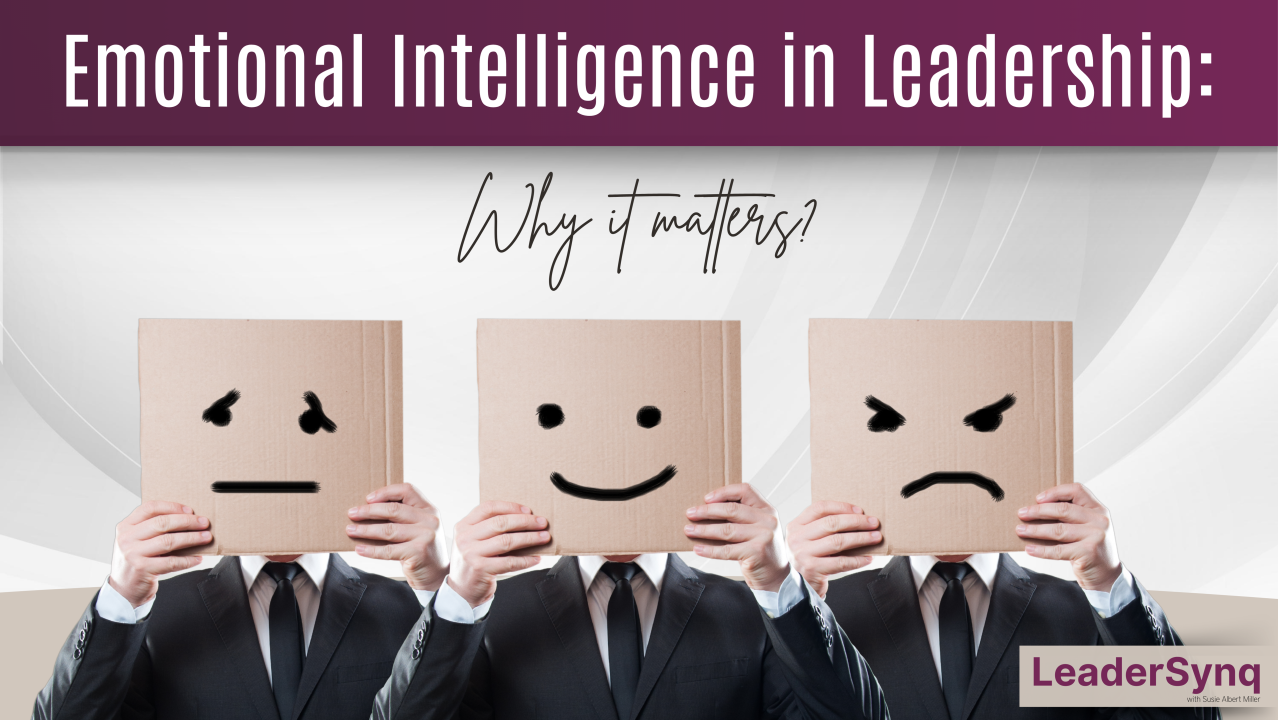
Leadership is often associated with strategic thinking, decisiveness, and vision. While these are undoubtedly important traits, one quality is increasingly recognized as a cornerstone of effective leadership: emotional intelligence (EI). In today’s dynamic, fast-paced workplace, leaders are not just expected to drive results—they’re expected to inspire, connect, and foster trust. Emotional intelligence enables them to do exactly that.
But what exactly is emotional intelligence, and why does it matter so much in leadership?
Understanding Emotional Intelligence
Emotional intelligence is the ability to recognize, understand, manage, and influence emotions—both your own and those of others. Psychologist Daniel Goleman popularized the concept and identified five key components:
-
Self-awareness – Recognizing your emotions and their impact.
-
Self-regulation – Managing your emotional reactions appropriately.
-
Motivation – Staying driven by internal goals rather than external rewards.
-
Empathy – Understanding and sharing the feelings of others.
-
Social skills – Navigating social complexities and building strong relationships.
For leaders, these components are not just soft skills—they’re essential leadership capabilities.
1. Building Stronger Relationships
Leaders with high emotional intelligence are better at building rapport and trust with team members. They understand what motivates individuals and how to communicate effectively with different personality types. This fosters a collaborative environment where people feel valued and heard.
By being attuned to the emotions of others, emotionally intelligent leaders can manage conflicts more effectively, provide meaningful feedback, and inspire greater loyalty among employees.
2. Enhancing Communication
Effective communication goes beyond speaking clearly. It involves active listening, empathy, tone, and timing. Leaders with emotional intelligence are able to read the room, pick up on non-verbal cues, and adjust their message based on the audience’s emotional state.
This kind of communication reduces misunderstandings and helps ensure that everyone is on the same page, especially in high-pressure or emotionally charged situations.
3. Managing Stress and Pressure
Leadership comes with inevitable stress—tight deadlines, high expectations, and tough decisions. Emotional intelligence helps leaders stay calm and composed under pressure. They’re better able to regulate their emotions, which not only improves their decision-making but also sets a positive example for the team.
When leaders demonstrate composure, it reassures employees and prevents panic or anxiety from spreading across the organization.
4. Driving Employee Engagement
Employees don’t leave companies—they leave managers. Emotionally intelligent leaders are more likely to create a positive work culture that promotes engagement, creativity, and retention. They understand how to motivate different team members and recognize when someone may be struggling, even if that person hasn’t spoken up.
By making employees feel understood and appreciated, these leaders foster higher levels of engagement and performance.
5. Navigating Change Effectively
In today’s business environment, change is constant. Whether it’s a company restructure, a new strategic direction, or external economic shifts, how leaders manage change can make or break team morale.
Leaders with high EI are better equipped to guide their teams through transitions. They acknowledge the emotional impact of change, communicate transparently, and help team members adapt with resilience and confidence.
6. Encouraging Personal and Professional Growth
A leader with emotional intelligence not only supports team goals but also invests in the growth of individuals. By offering empathetic feedback, recognizing achievements, and encouraging development, these leaders help employees realize their potential.
This approach cultivates a learning-oriented culture where continuous improvement is both valued and expected.
7. Making Better Decisions
Emotions play a significant role in decision-making. Leaders with strong EI can balance logic and emotion, ensuring that decisions are thoughtful, ethical, and aligned with both company goals and team well-being.
They’re less likely to be swayed by biases, impulses, or unchecked assumptions, which leads to more balanced and effective leadership.
Final Thoughts
Emotional intelligence is not just a nice-to-have—it’s a leadership imperative. In a world where technical skills can often be learned or delegated, the ability to connect with others, lead with empathy, and manage emotions sets great leaders apart from the rest.
While some people may naturally possess higher emotional intelligence, it’s also a skill that can be developed through self-reflection, feedback, and intentional practice. For leaders looking to make a lasting impact, investing in emotional intelligence is one of the most valuable steps they can take.